

In today’s competitive Denver real estate market, Denver real estate photography is often a buyer’s first impression — and we all know how critical that first impression can be. The numbers back this up: homes listed with professional photography sell faster and at higher prices than those with amateur snapshots. A great real estate photographer isn’t just pointing a camera at rooms; we’re creating a visual narrative that helps buyers imagine themselves in the space. If you’re a real estate agent looking for a competitive edge, understanding what makes real estate photography work is essential.
The Data: Why Denver Real Estate Photography Matters


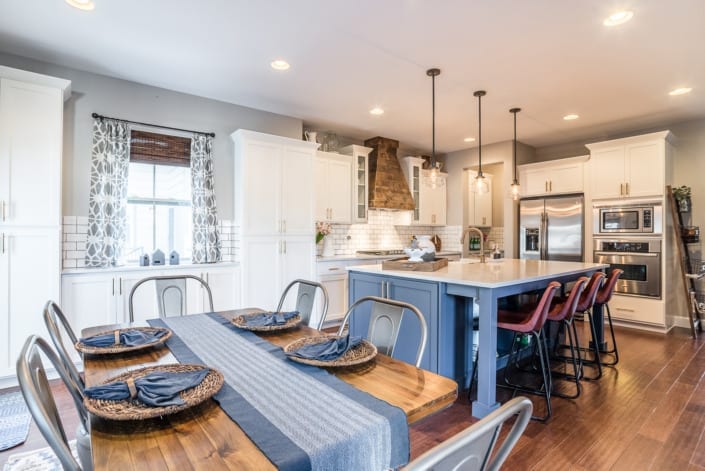
According to major real estate industry data, listings with professional photography receive more online views and lead to faster sales. Homes photographed professionally tend to sell 32% faster than those without, and many studies show they command prices 5-10% higher on average. In Denver’s fast-moving market, that difference translates directly to your bottom line — both in commission and in client satisfaction.
The reality is simple: 90% of home buyers start their search online. If your listing photos don’t make that property stand out in a crowded search feed, the buyer never walks through the door in person. Professional photography isn’t a luxury — it’s a baseline expectation in a market where agents are competing for attention.
What Professional Real Estate Photography Includes
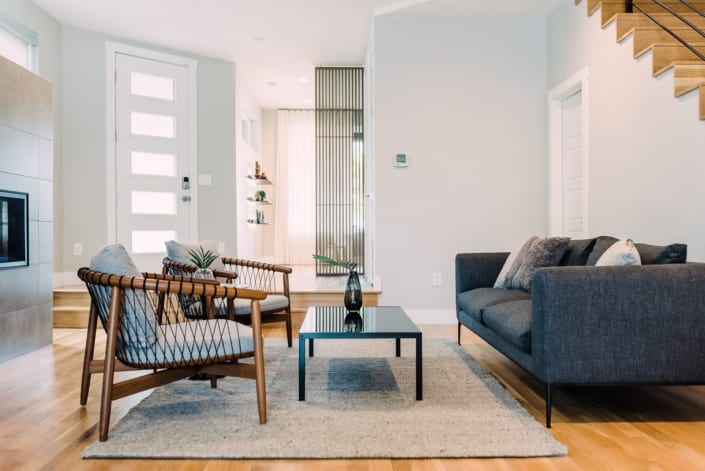
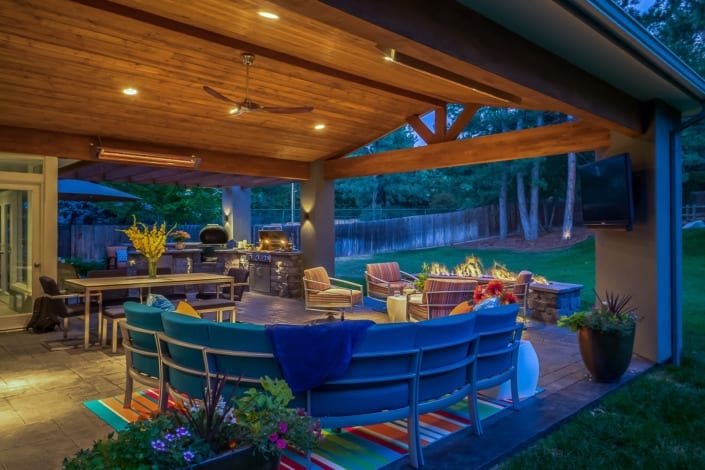
When we approach a real estate shoot, we’re thinking about the full spectrum of buyer needs and online platforms. Here’s what we typically include:
Exterior Shots:
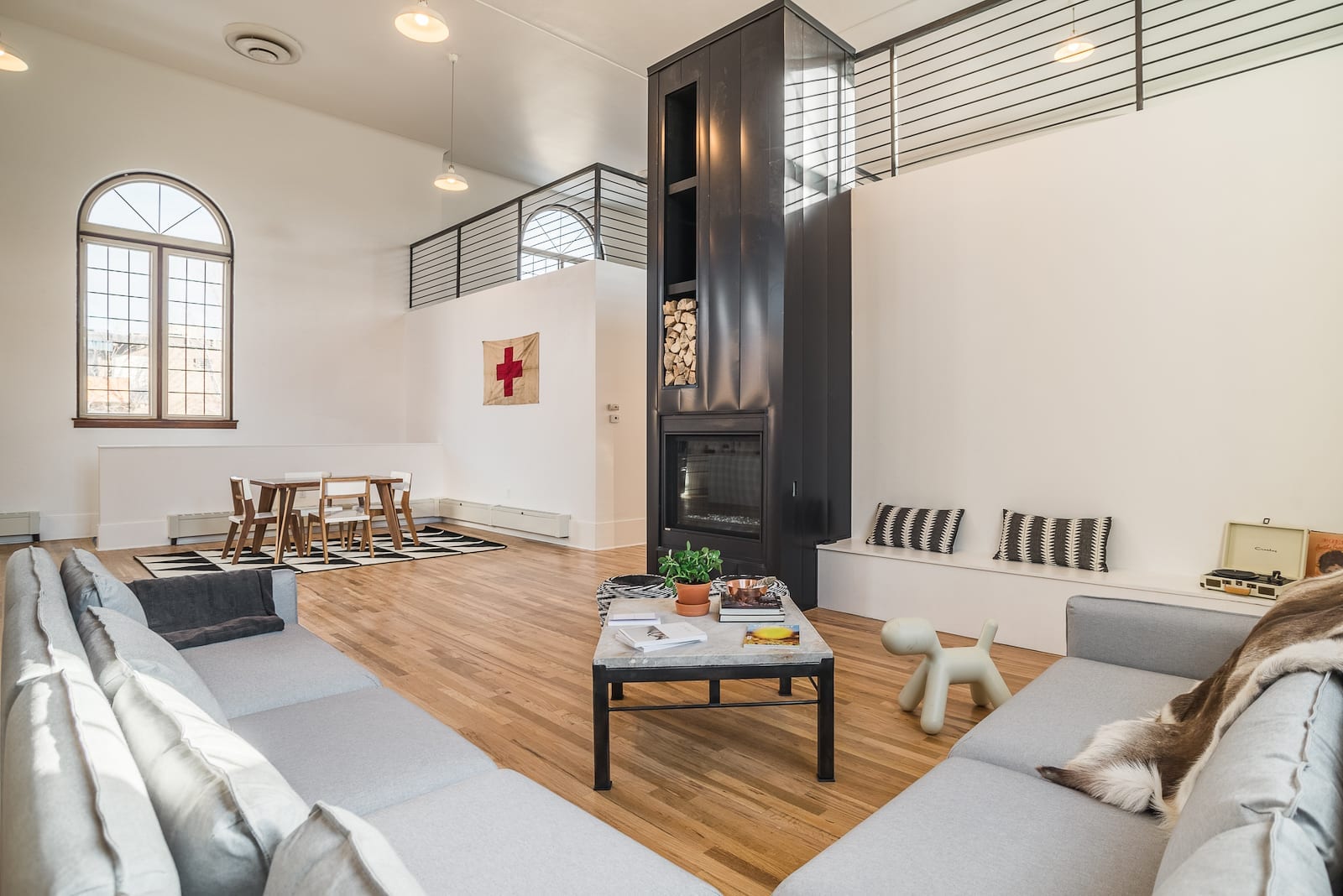
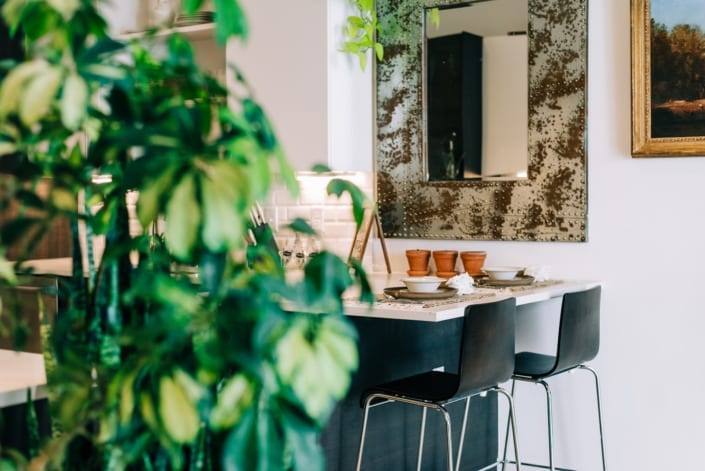
Curb appeal matters. We photograph the home’s front elevation during great light, capturing landscape, architecture, and overall presence. Multiple exterior angles show the property’s footprint and surroundings. In Denver, we’re often highlighting mountain views or the proximity to trails and parks — these are selling points.
Interior Wide-Angles:
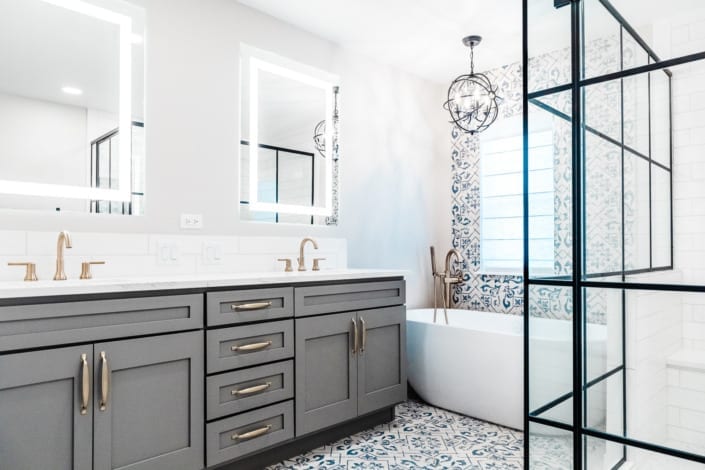

We use wide-angle lenses (typically 16-35mm) to capture the full scope of rooms, showing how spaces flow and connect. Living rooms, kitchens, bedrooms, bathrooms, and bonus spaces all get the wide-angle treatment. The goal is to make spaces feel open and inviting. We’re careful not to distort — it’s a balance between expansive and believable.
Detail Shots:


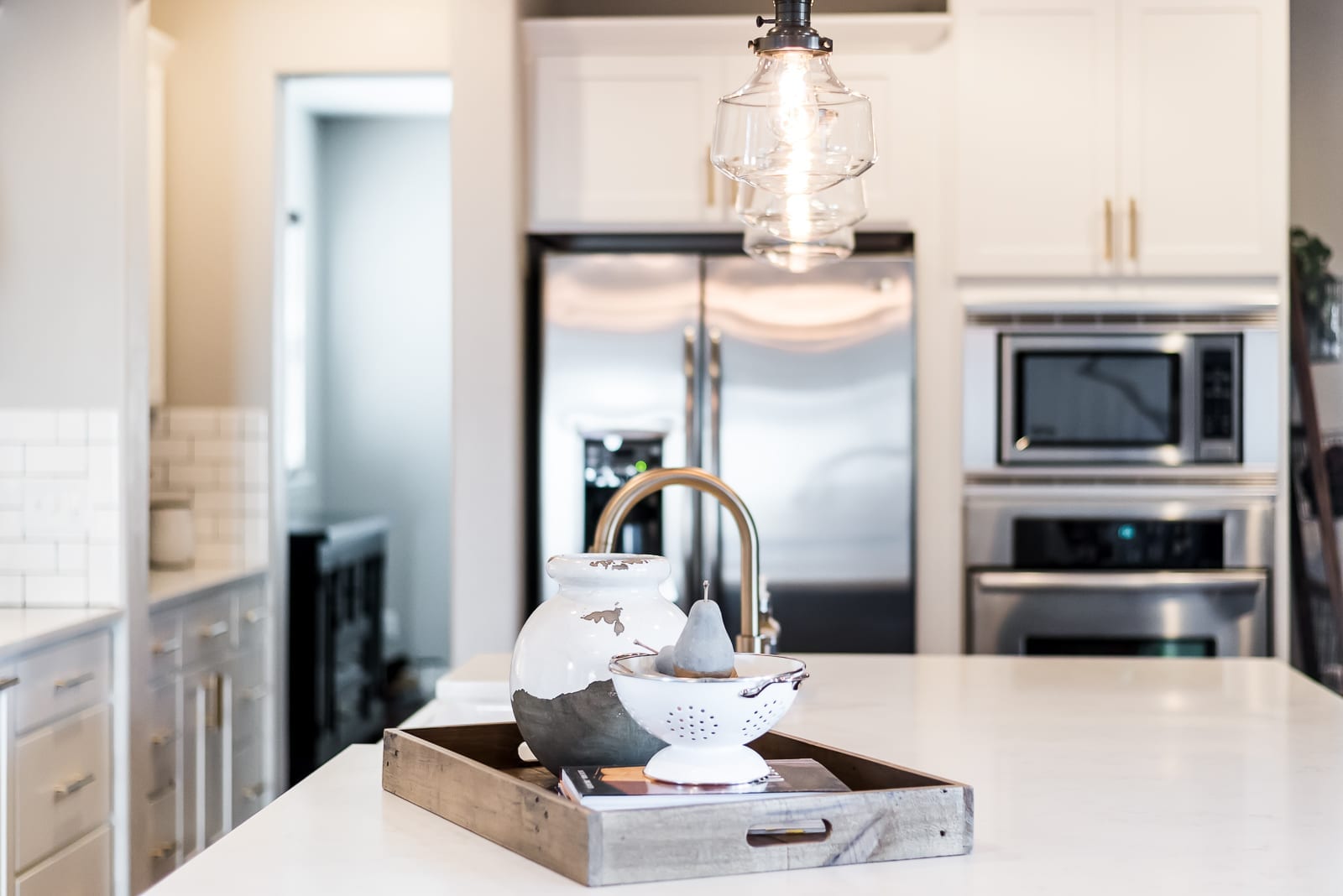
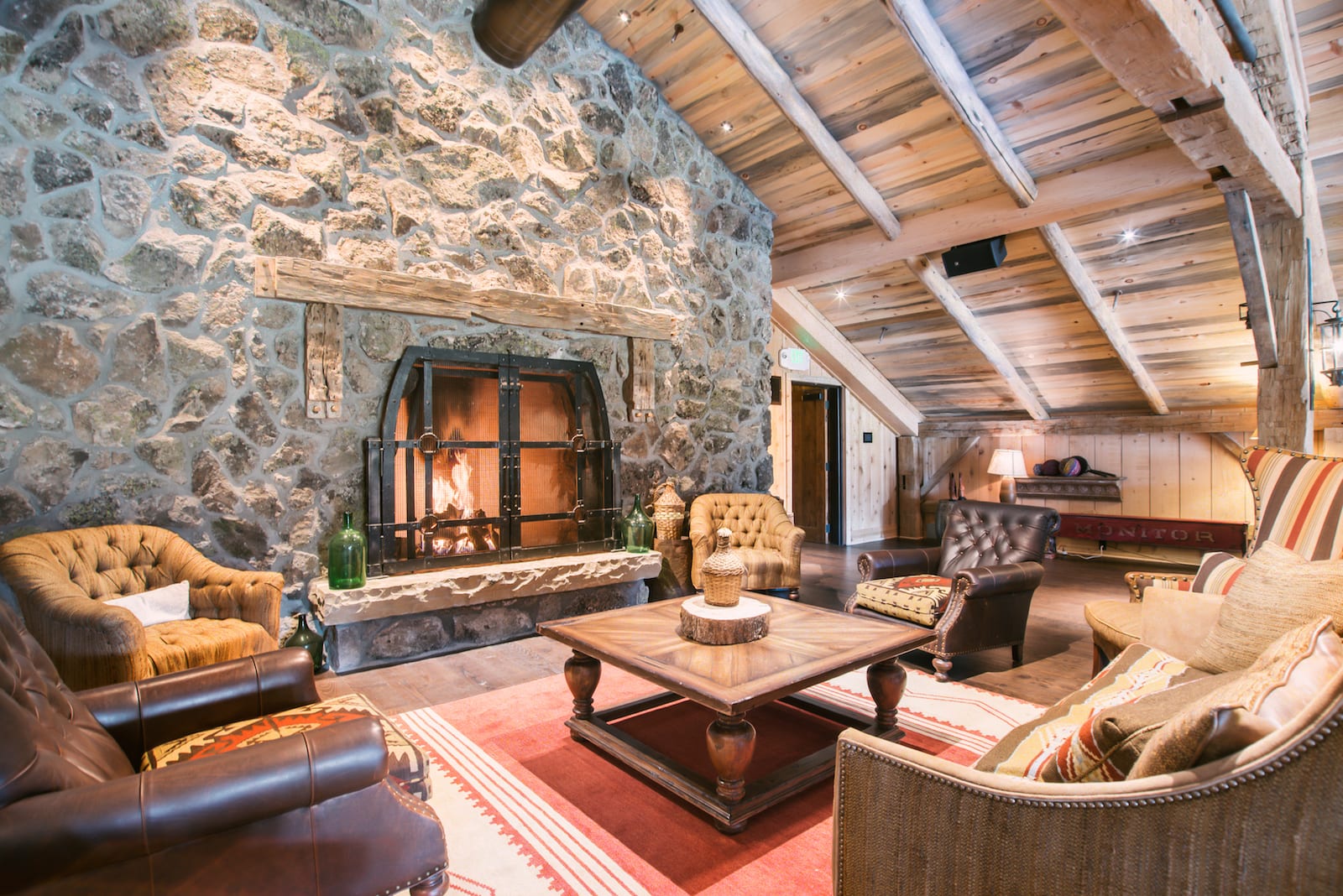
Granite countertops, hardwood floors, updated fixtures, fireplaces, custom built-ins — these details deserve close-ups. They’re the features buyers obsess over, and detailed photography lets them appreciate quality without having to zoom into wide-angle shots.
Twilight/Dusk Exteriors:
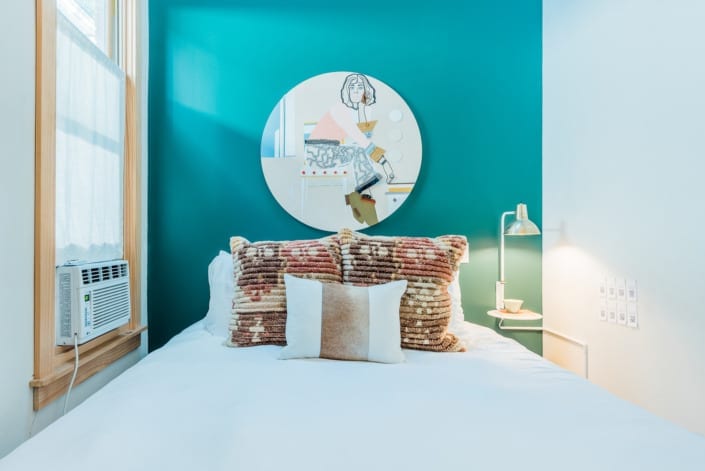

As the sun sets and exterior lights come on, we capture the home’s evening presence. Twilight shots create that “dream home” feeling and are especially important for showing how the property looks when it’s lit up at night. These images are premium additions that elevate a listing.
Aerial/Drone Photography:
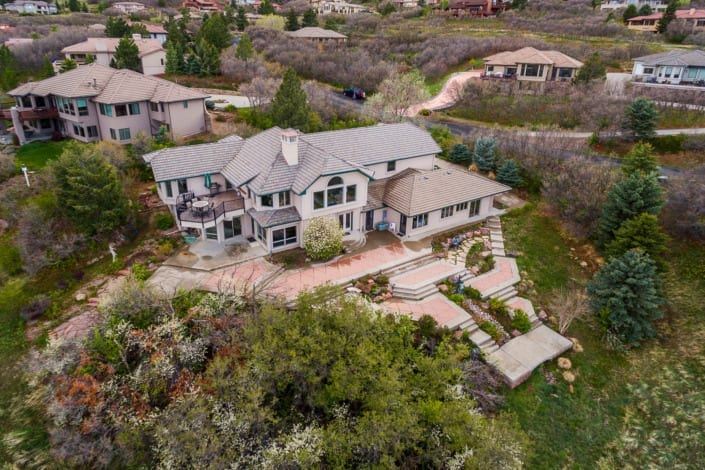
Drone shots show property boundaries, lot size, relationship to the neighborhood, and any outdoor features like pools, decks, or landscaping. In Denver’s hilly neighborhoods, drone footage also helps show topography and those coveted mountain views. This is a huge differentiator in the market.
Common Mistakes Agents Make With Listing Photos

We see it all the time, and we want to help you avoid these pitfalls:
Shooting During Harsh Midday Light: Midday sun creates strong shadows and washed-out colors. Golden hour and overcast days are infinitely better. Timing matters — a lot.
Ignoring Clutter and Personal Items: Family photos, toys, mail on counters, personal décor — these distract from the property’s features. Buyers want to imagine their own life in the space, not yours.
Using Phone Photos or Mobile Snapshots: Phone cameras have come a long way, but they can’t replicate the detail and clarity of professional DSLR or mirrorless equipment. Blurry, underexposed, or color-cast photos damage credibility.
Poor Composition and Framing: Just pointing the camera isn’t enough. Good real estate photography frames rooms to show their best proportions, uses depth to create visual interest, and positions furniture to define space flow.
Inconsistent White Balance and Editing: If your photos look like they were taken in different locations with completely different color temperatures, something’s wrong. Professional editing creates consistency and polish.
Forgetting About Curb Appeal: Some agents load up the interior shots but neglect the exterior. First impression starts at the curb. A beautiful home with bad exterior photos loses buyers before they see how great the interior is.
How We Approach Denver Real Estate Photography
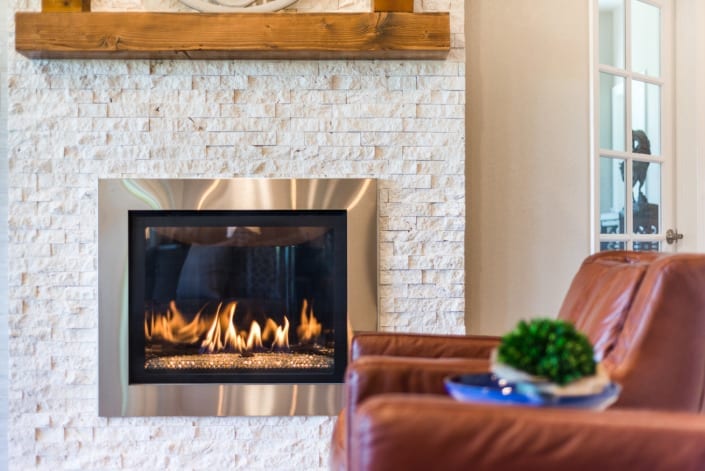
Our process begins with a pre-shoot consultation. We discuss the property’s selling points, target buyer demographics, and any unique features that deserve emphasis. Is this a luxury home? A first-time buyer starter? A mountain property? Investment property? The approach shifts based on the market and the property’s positioning.
Timing is crucial. We scout the property beforehand to determine optimal shoot times based on sun angle and light quality. We often schedule early morning for east-facing rooms, mid-afternoon for north-facing spaces, and golden hour for exterior work.
Staging and styling matter. Before we shoot, we work with agents and homeowners to neutralize spaces. This might mean removing family photos, minimizing personal color preferences, decluttering countertops, and arranging furniture to show flow and function. A well-staged home photographs 10x better than a cluttered one. Sometimes we suggest small touches — fresh flowers, neatly made beds, throw pillows — that add visual interest without personalizing the space.
Lighting approach: We use a combination of natural light and carefully placed supplemental lighting to balance interior spaces. For kitchens and bathrooms with harsh overhead fluorescents, we often bring in professional lighting that creates warm, inviting tones. We avoid that sterile, overly lit look in favor of something that feels like a real, livable home.
Post-processing is where real estate photos truly shine. Our editing process includes color correction for consistency, straightening lines, exposure blending to handle difficult lighting conditions (like bright windows with dark interiors), and careful retouching to remove distractions. We’re not creating fantasy — we’re enhancing and clarifying what’s actually there.
Denver Market Specifics
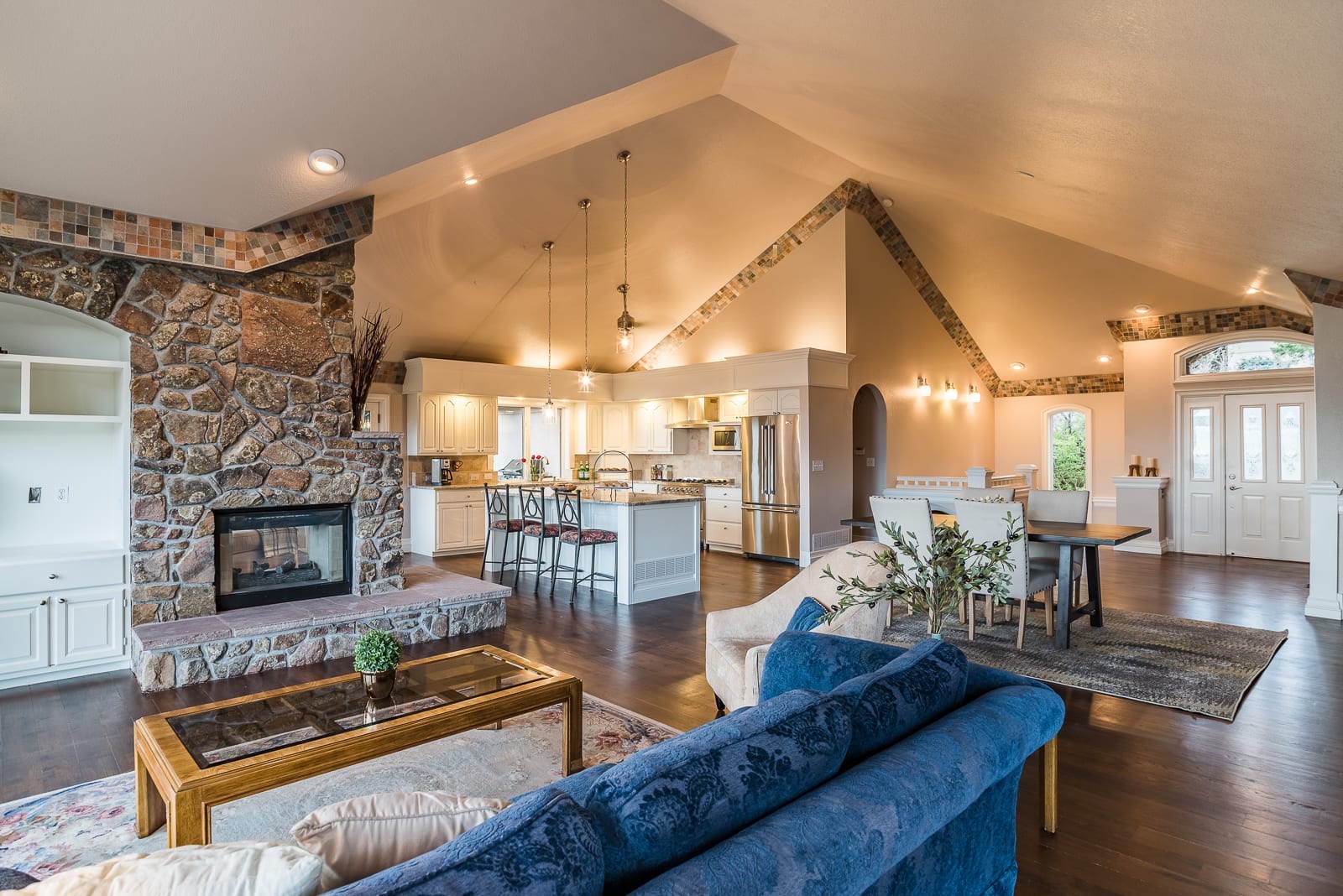
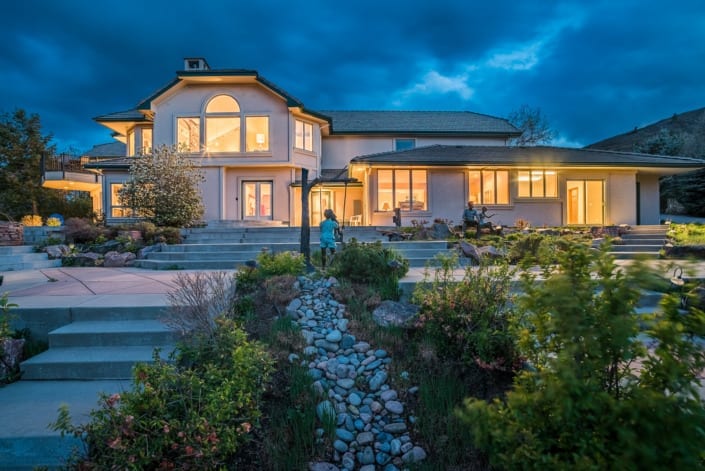
Denver’s competitive market means great Denver real estate photography is what makes listings stand out. Our mountain views, parks, and outdoor lifestyle are major selling points — we always emphasize those in photography. South-facing properties with natural light are premium. Properties near downtown, Cherry Creek, highlands, or tech corridors have specific buyer profiles we keep in mind when framing shots.
We’re also aware that Denver attracts buyers from across the country, many relocating for tech jobs or lifestyle changes. Our photos need to tell the story of what makes Denver special — the mountains, the outdoor culture, the neighborhoods, and the lifestyle. Professional photography does that.
Frequently Asked Questions
Does professional real estate photography actually help homes sell faster?
Yes. Listings with professional photography receive more online views and lead to faster sales — homes photographed professionally tend to sell about 32% faster than those without, and many studies show they command prices roughly 5-10% higher on average. Since 90% of home buyers start their search online, strong listing photos are what get buyers through the door.
What does a professional real estate photography shoot include?
A full shoot typically covers exterior shots for curb appeal, interior wide-angles (usually 16-35mm) that show how spaces flow, detail shots of features like granite countertops and hardwood floors, twilight or dusk exteriors for that dream-home feeling, and aerial or drone photography showing lot size, boundaries, and mountain views.
What are the most common mistakes agents make with listing photos?
The biggest ones are shooting during harsh midday light, ignoring clutter and personal items, using phone snapshots, poor composition and framing, inconsistent white balance and editing, and forgetting about curb appeal. Each of these can cost you buyers before they ever see the property in person.
When is the best time of day to photograph a Denver home?
Timing depends on the property. We often schedule early morning for east-facing rooms, mid-afternoon for north-facing spaces, and golden hour for exterior work. Midday sun creates strong shadows and washed-out colors, so golden hour and overcast days are far better.
How should a home be prepared before a real estate shoot?
Before we shoot, we work with agents and homeowners to neutralize spaces — removing family photos, decluttering countertops, and arranging furniture to show flow and function. A well-staged home photographs far better than a cluttered one, and small touches like fresh flowers, neatly made beds, and throw pillows add interest without personalizing the space.
Keep Reading
- Product Photography for Denver Businesses
- Denver Hospitality Photography: Curtis Hotel
- How to Use Professional Photos Across Social Media
- Personal Branding Photography — For Real Estate Agents
- View Our Real Estate Photography Portfolio
Partner With Professionals Who Understand Your Market
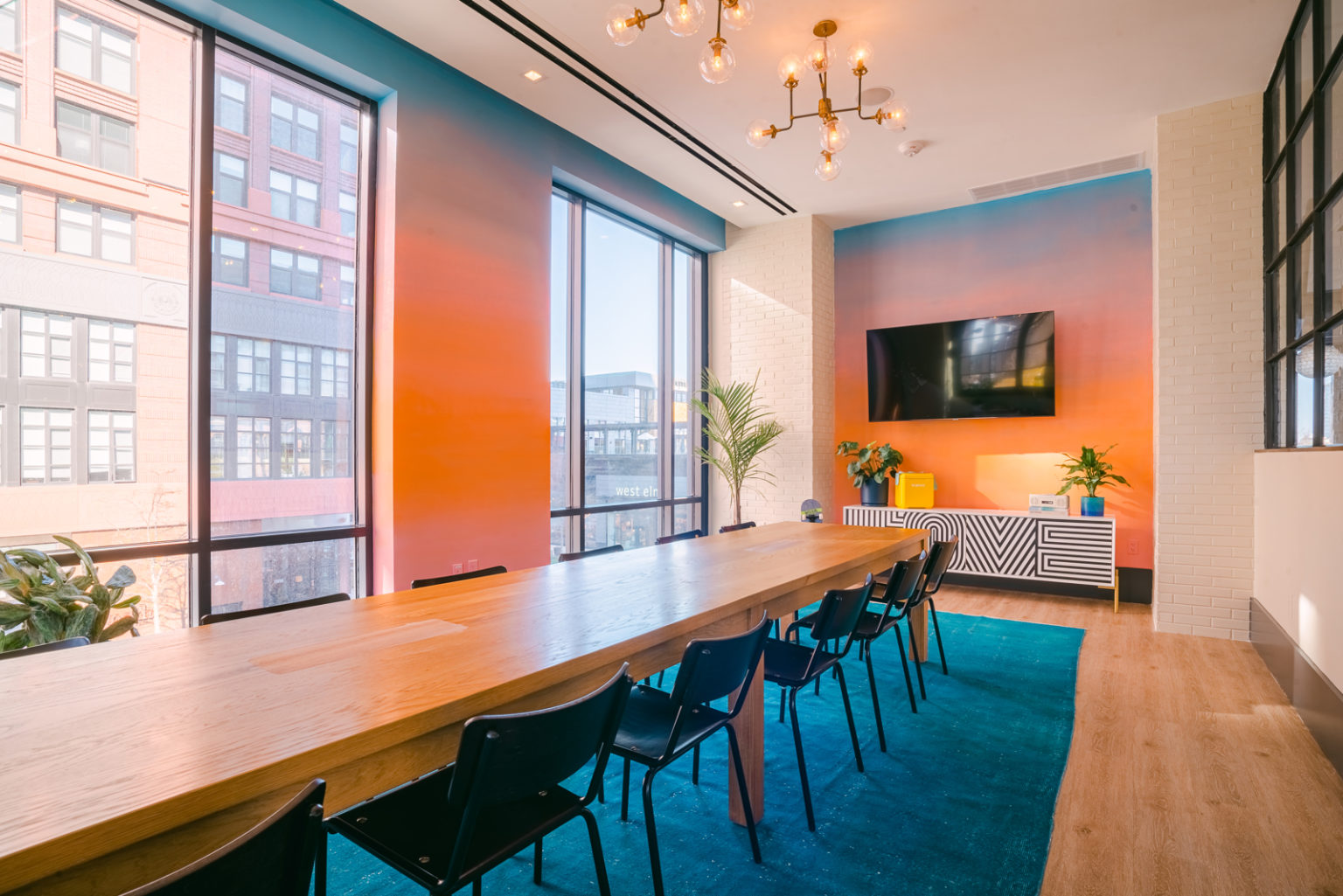
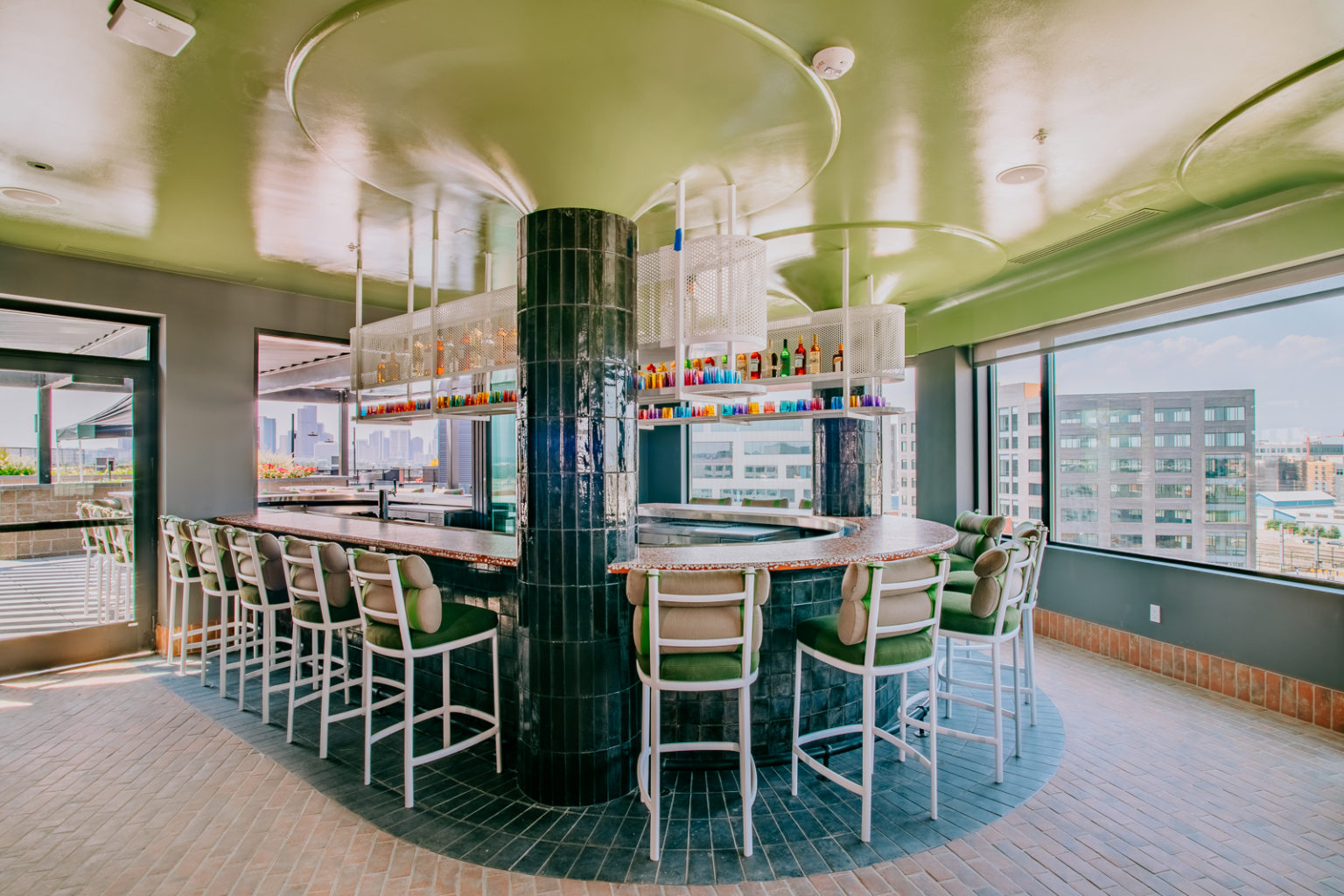
Real estate photography is an investment that pays dividends through faster sales, higher prices, and happier clients. If you’re working with agents who are still relying on mediocre photos, you’re leaving money on the table. We understand Denver’s market, our buyers’ expectations, and how to position properties for success in a competitive landscape.
Ready to elevate your listings? Reach out to our team and let’s discuss how professional photography can improve your sales timeline and client results. We’re here to make your job easier and your listings more competitive.