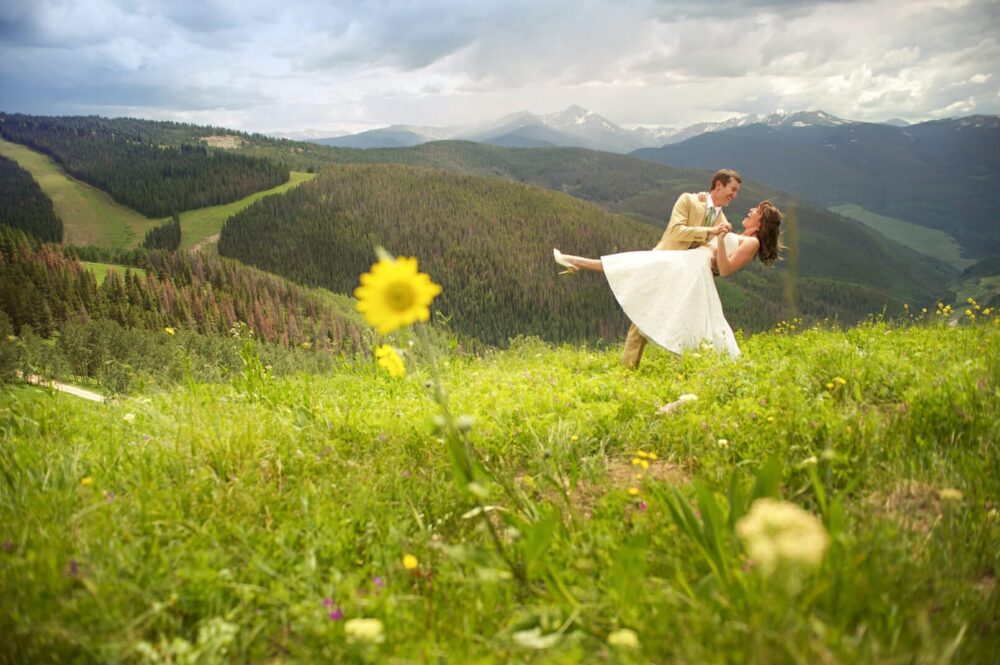
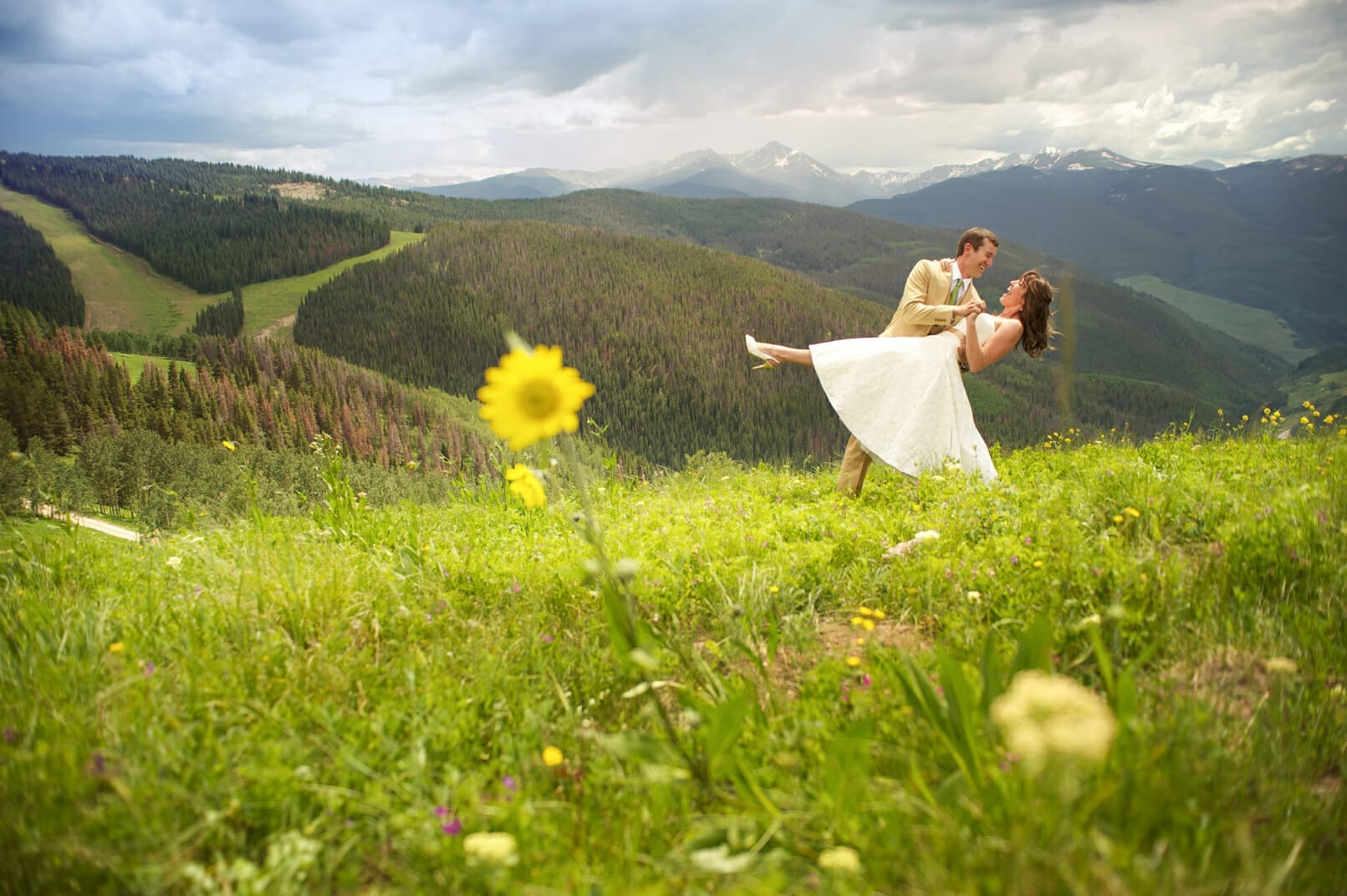
There’s something about an elopement in the Colorado mountains that hits different. No ceremony logistics, no worrying about the weather ruining your reception, no one’s judgmental uncle — just you, your person, an incredible landscape, and a photographer capturing the raw emotion of your commitment. We’ve been photographing elopements across Colorado for years, and we’re absolutely hooked on them. The couples are present and focused on each other. The light is usually golden. The scenery does half the work for you. And the intimacy of the day comes through in every single frame. Whether you’re planning a Colorado elopement or thinking about it, we wanted to share some of our favorite mountain locations that make for absolutely stunning backdrops for one of the most important moments of your life.
Rocky Mountain National Park: Multiple Stunning Locations
Rocky Mountain National Park is the crown jewel of Colorado elopement locations. It offers dozens of potential backdrops, so we’ll highlight a few that we love most.
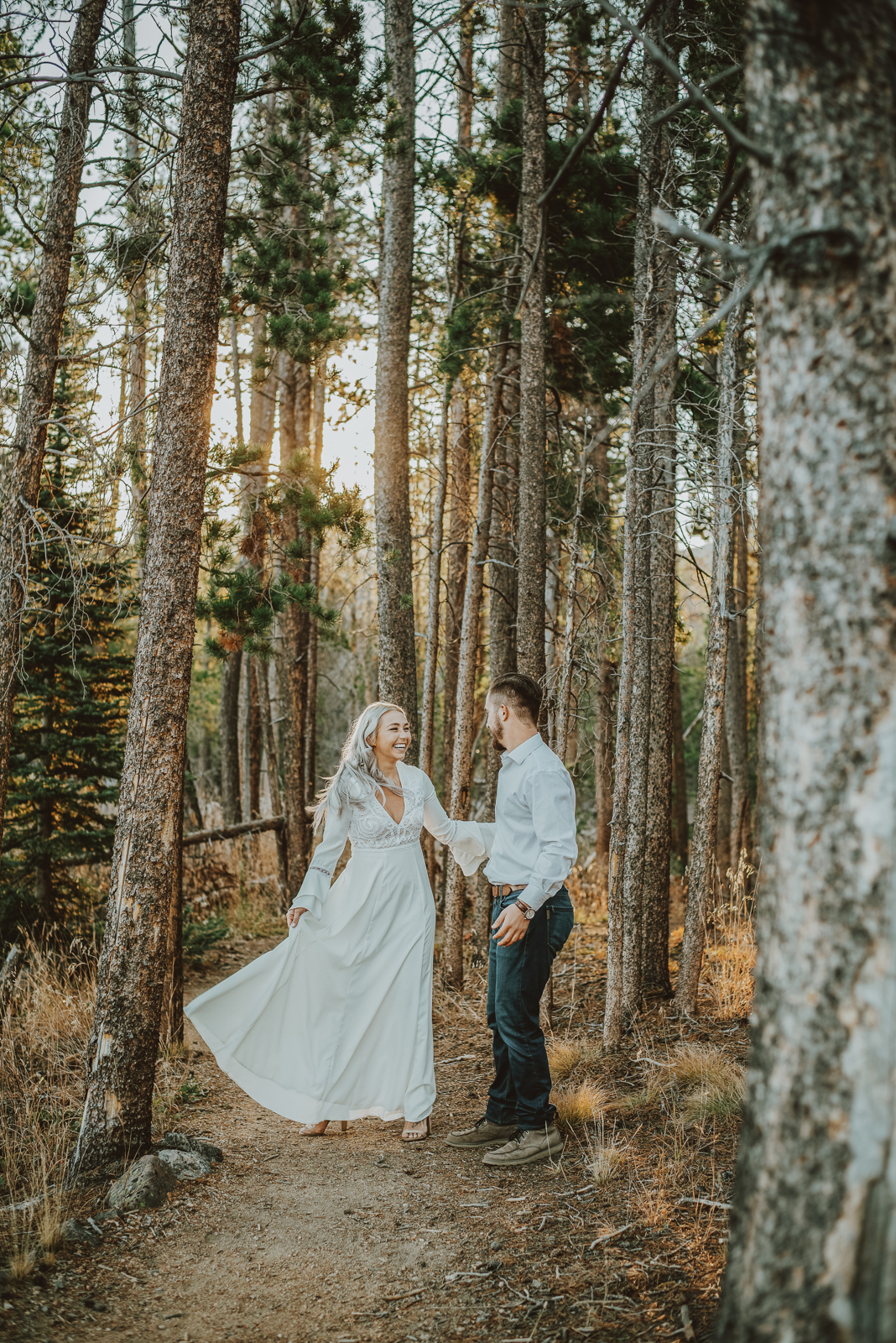
Trail Ridge Road is dramatic and expansive. It’s the highest continuous highway in North America, climbing to over 12,000 feet. The views are genuinely breathtaking — you’re looking out over the Continental Divide, the tundra landscape feels alpine and remote. The light changes quickly up there, and the weather can be unpredictable, but on a good day it’s absolutely magical. We usually shoot here in summer and early fall (June through September) when the road is open and the weather is more stable. There are no permits required if you’re doing a small, simple ceremony, but if you’re planning a larger elopement with multiple guests or hiring a videographer, we’ll always check with the park about their filming permits and handle that coordination on your behalf. We time our shoots here during golden hour whenever possible — the alpenglow on the peaks is extraordinary, and the warm light makes for images that feel genuinely otherworldly.
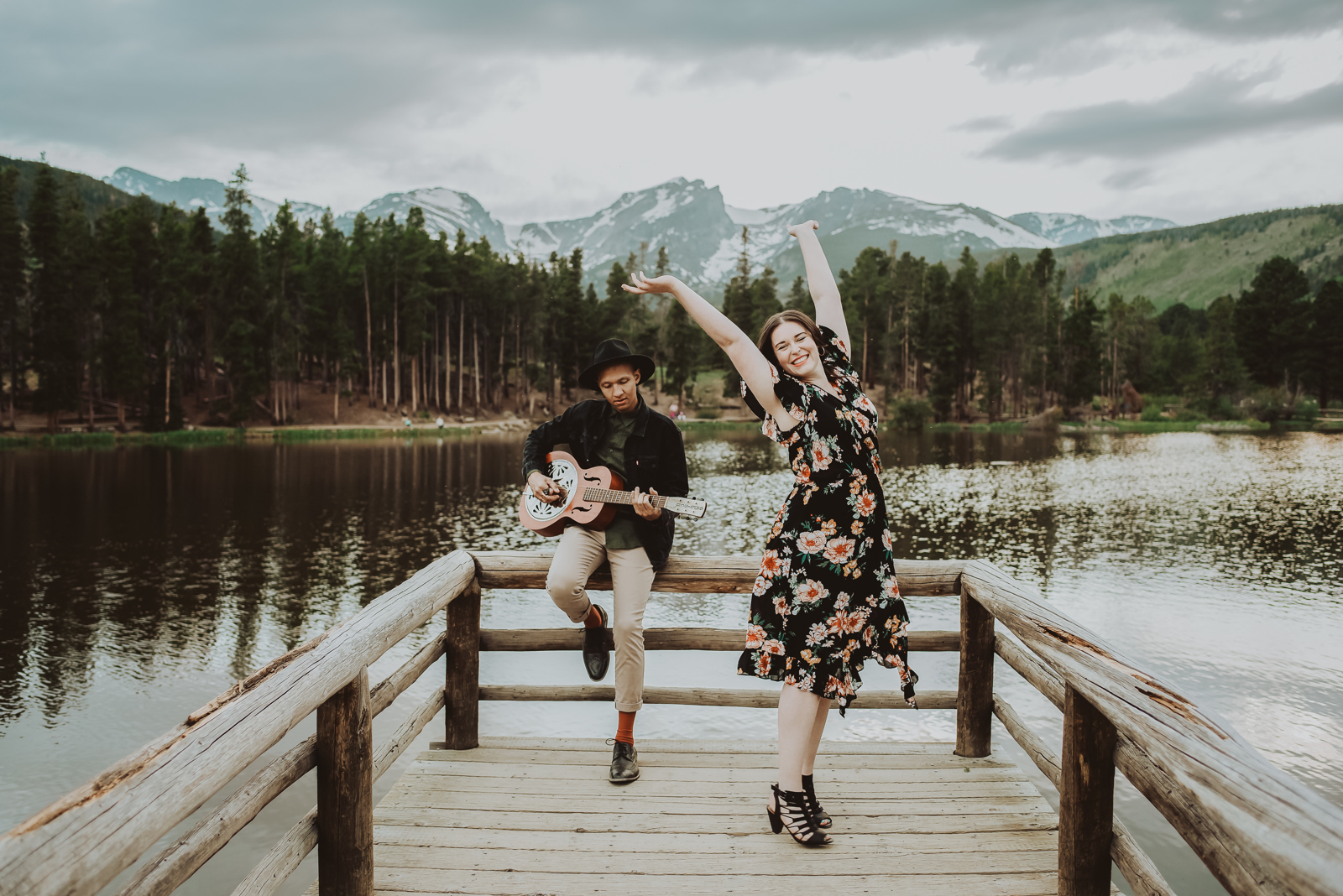
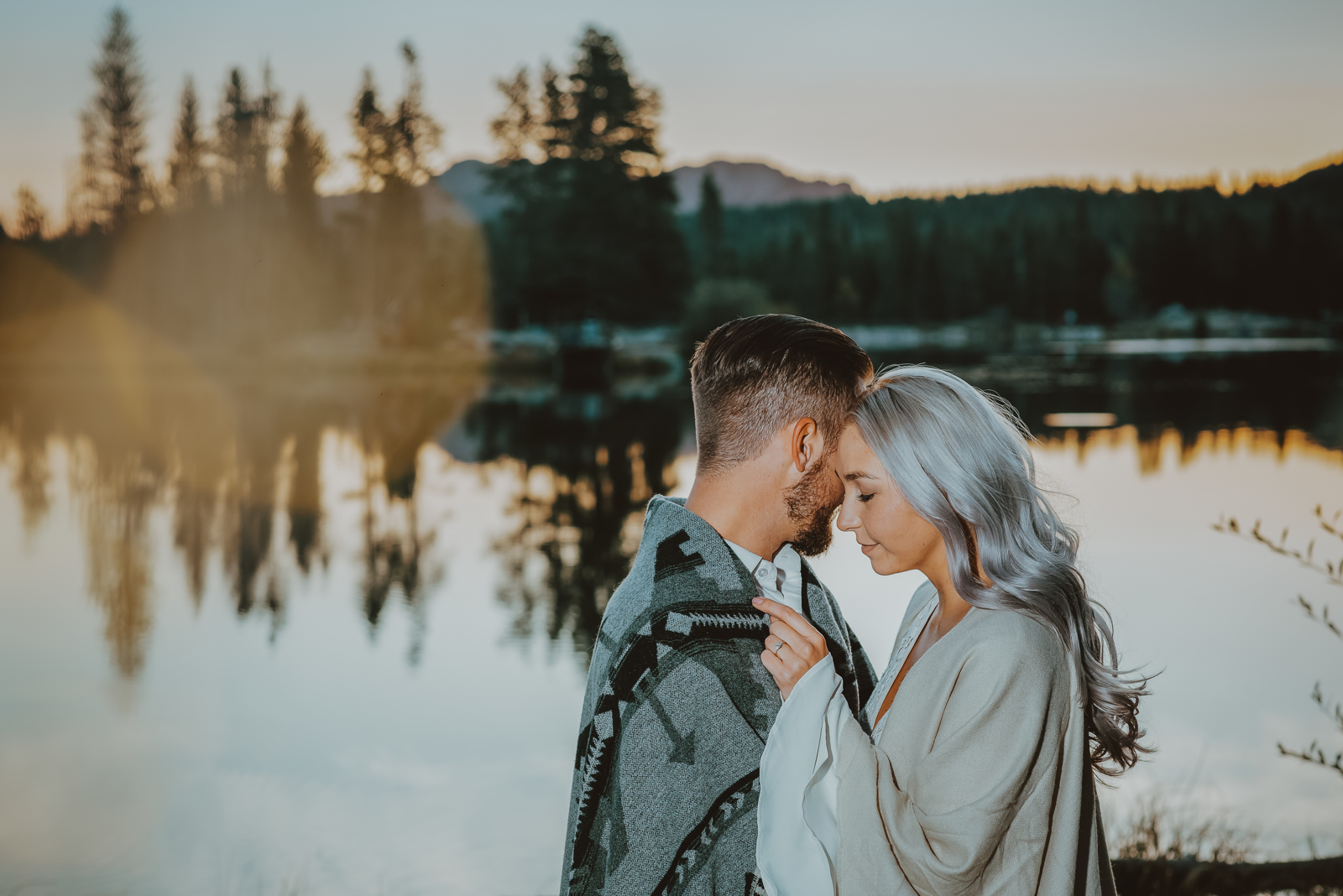
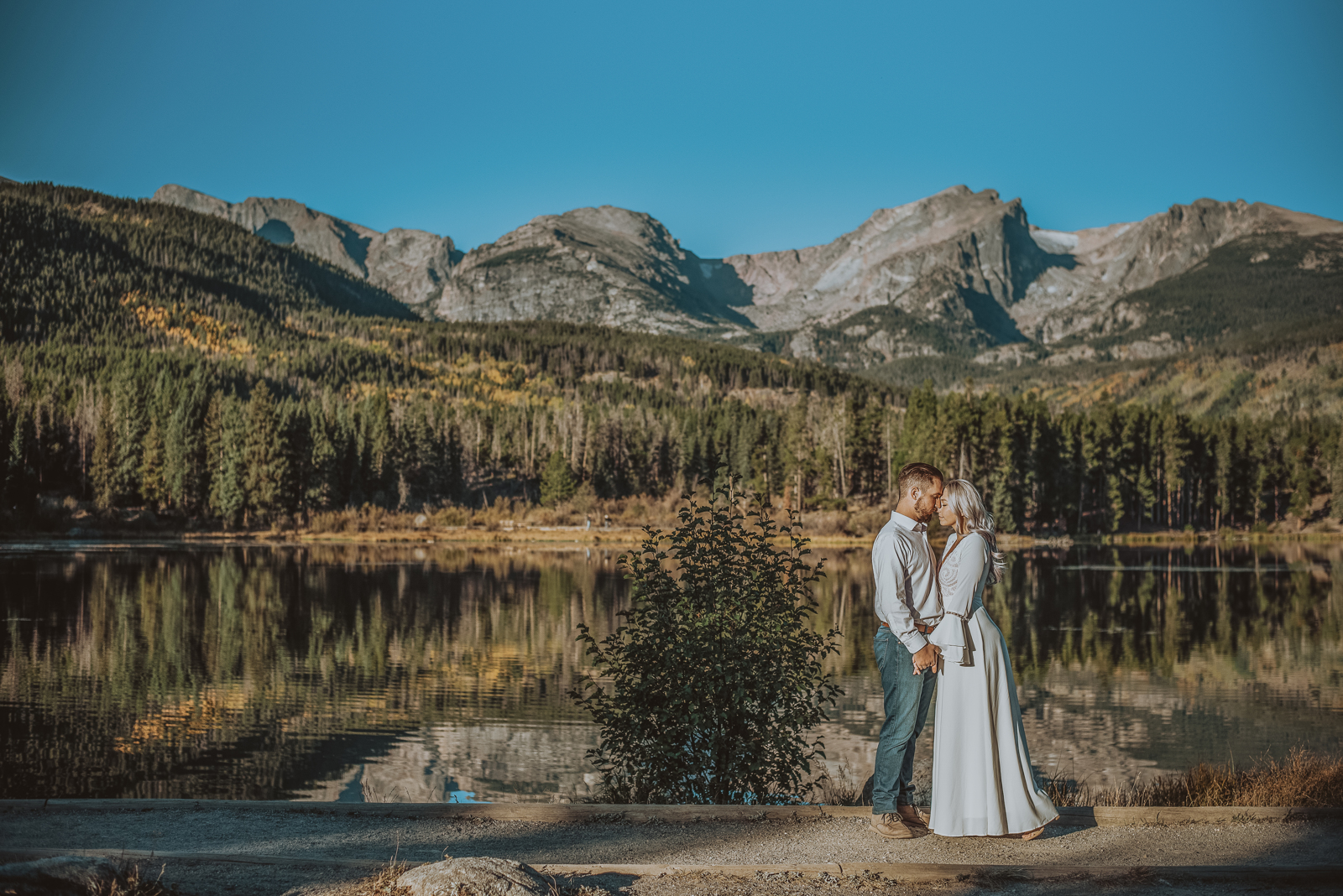
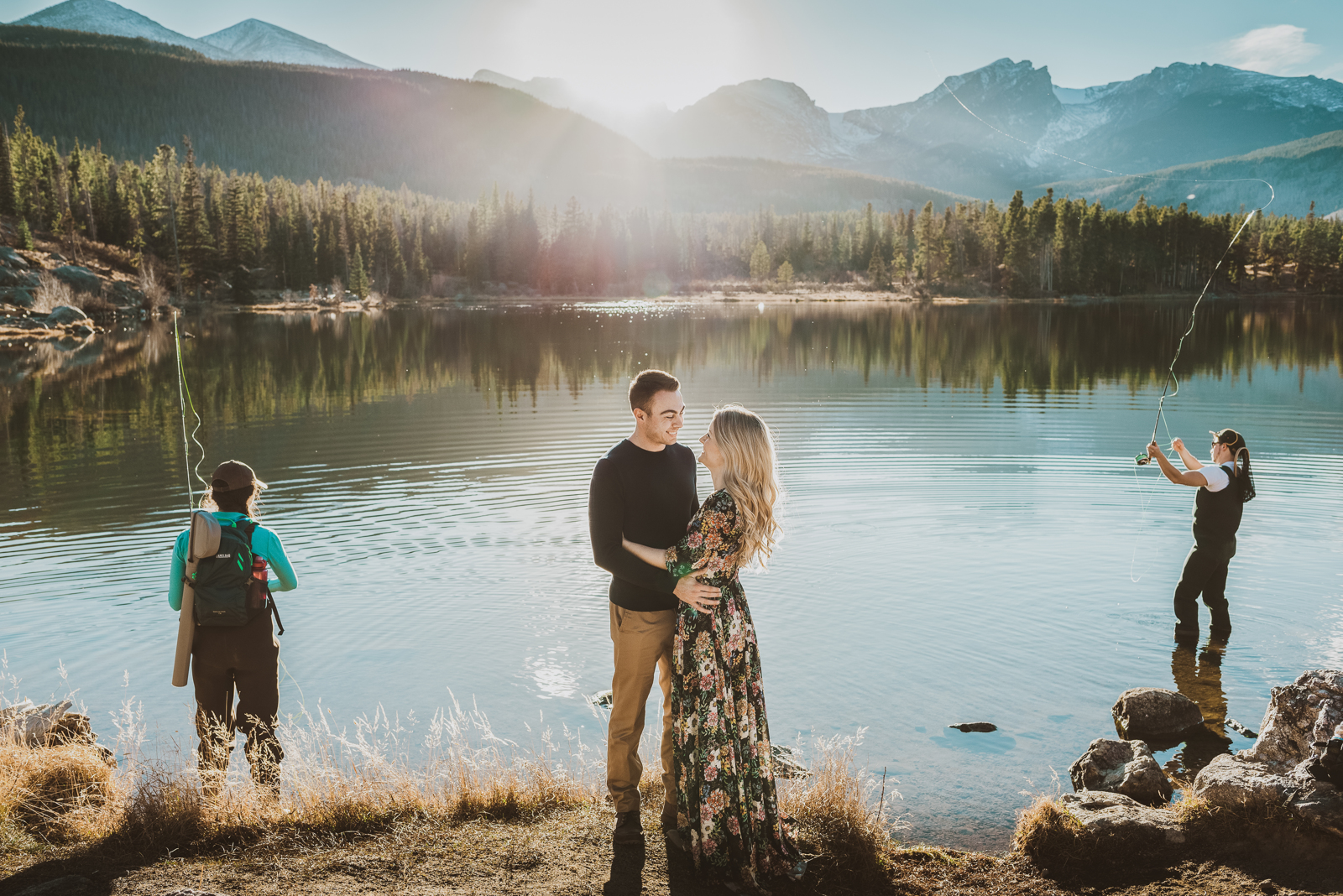
Sprague Lake is one of our favorite accessible locations in the park. It’s a short walk from the parking area, and the reflections in the water are incredible. Mountains frame the lake beautifully, and there’s a mix of intimate forest and open water views. Summer and early fall are ideal (roughly June through October), and permits aren’t required for personal ceremonies — but when they are, we handle pulling them so you don’t have to. The light tends to be best in early morning or late afternoon. We always compose our shots here to capture both the mountains and their reflections in the water simultaneously — that layered framing is what makes Sprague Lake so visually stunning.
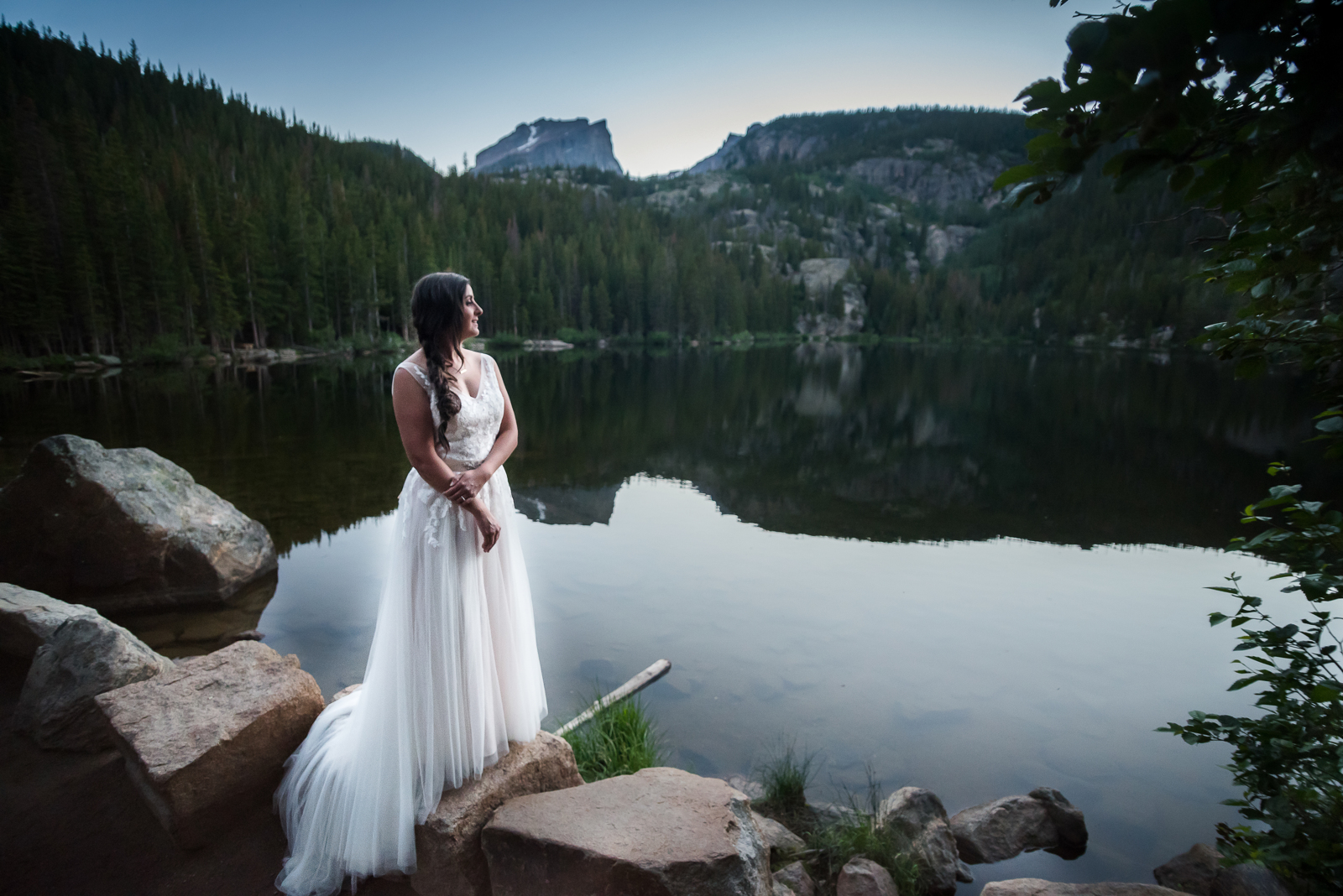
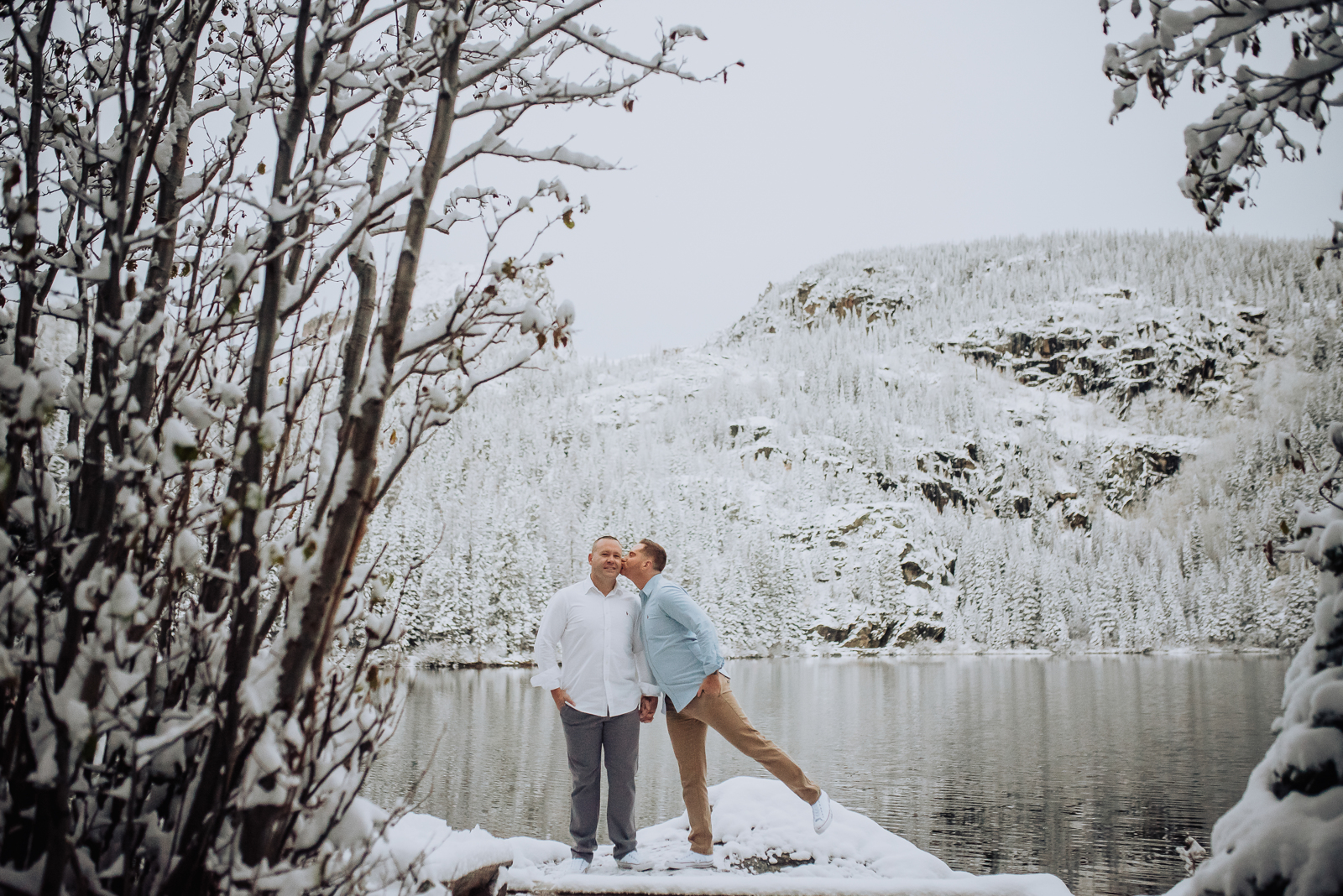
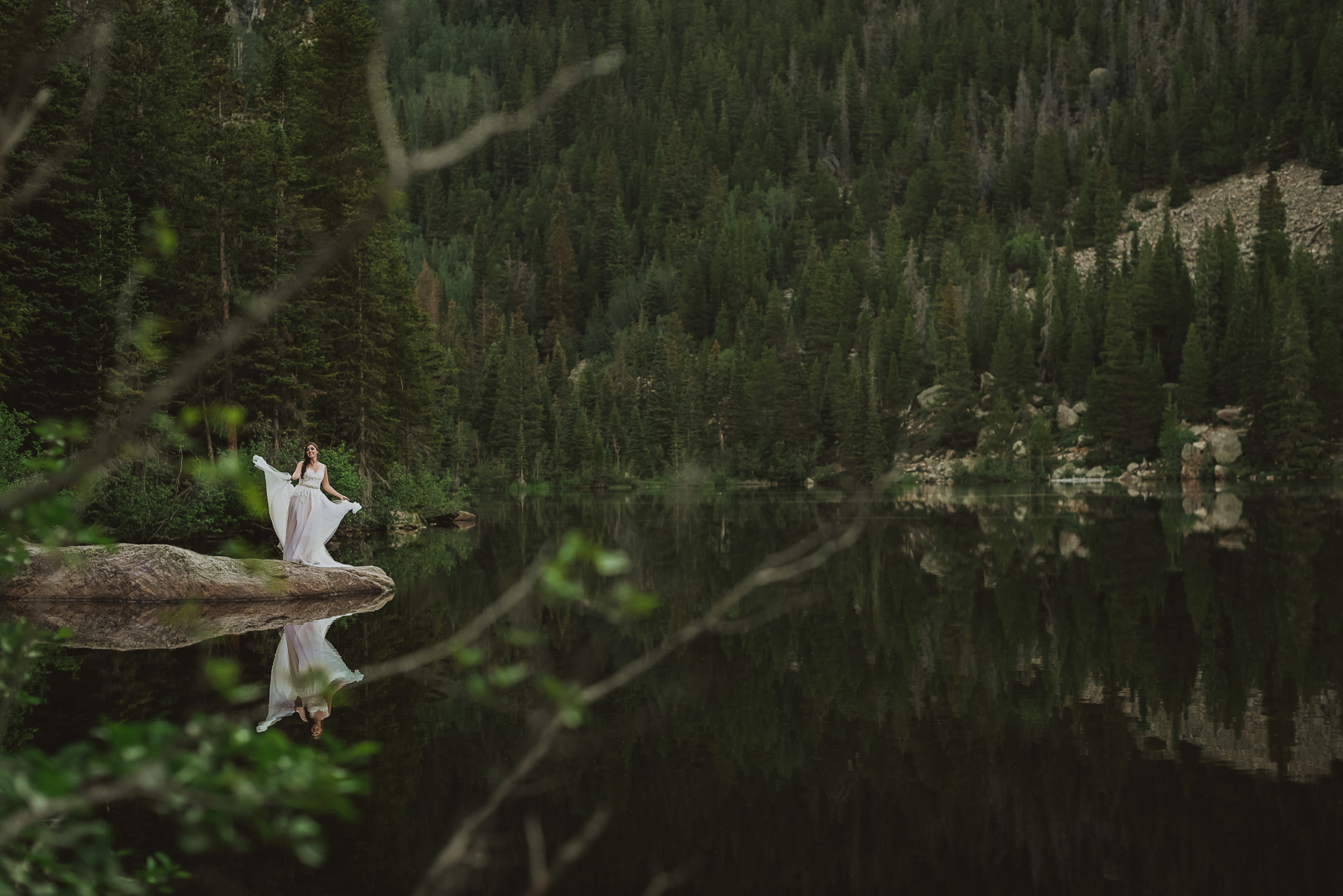
Bear Lake is another gem — it’s scenic, relatively accessible, and less crowded than some other park spots during early morning hours. The forest and water create a more intimate setting than Trail Ridge Road. Same season recommendations (June through October), no permits required for small ceremonies. The golden hour light here is gorgeous — the surrounding trees create natural framing that we lean into in almost every shot.

Sapphire Point (Dillon, Colorado)
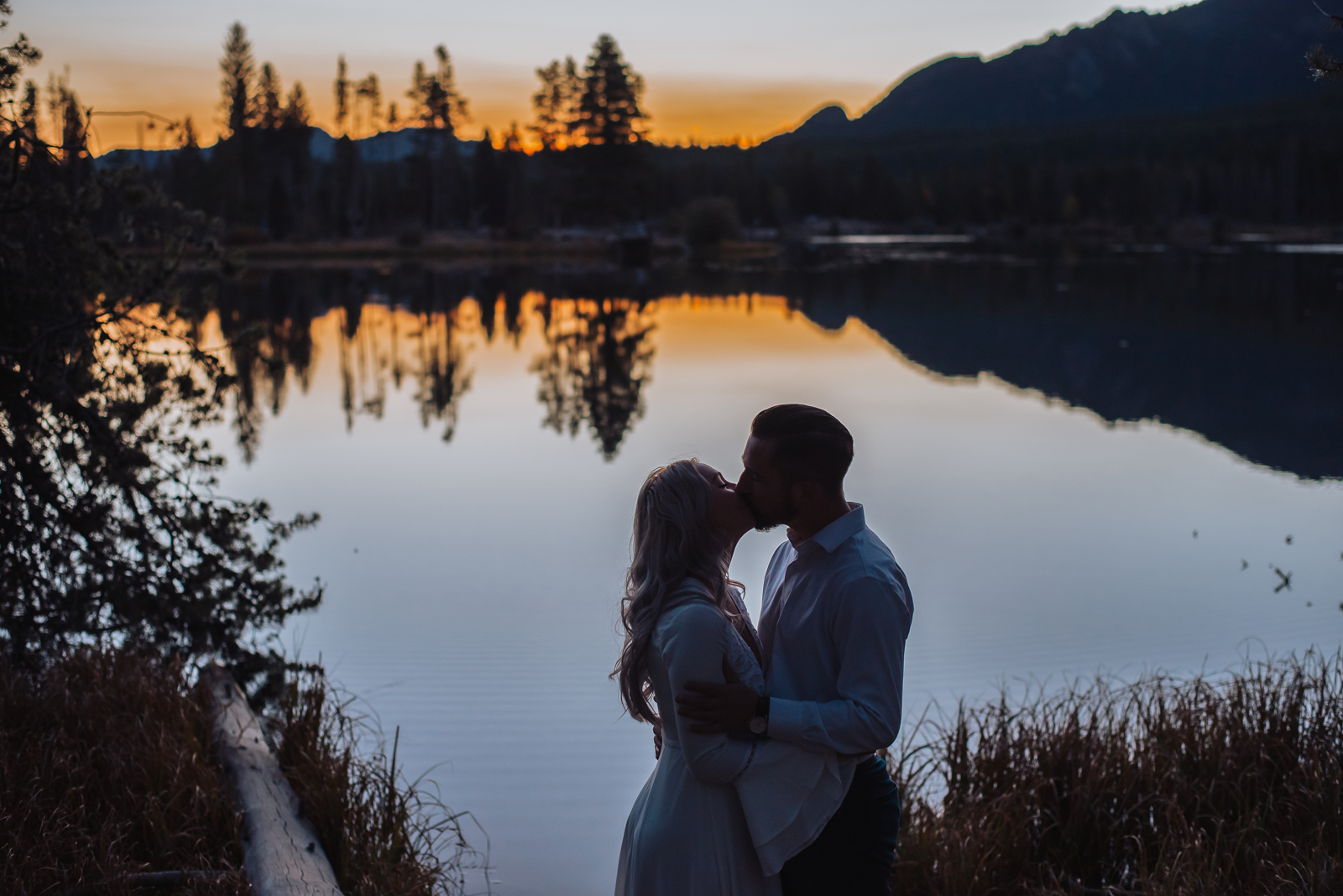
Sapphire Point is near Dillon, and it’s a shorter drive from Denver than many high alpine locations. The views of the entire Tenmile Range reflected in Lake Dillon are absolutely spectacular. It’s accessed via a moderate short hike, and the overlook feels remote and peaceful.
Best season: late May through October. The parking area can get busy on weekends, so we usually recommend an early morning shoot. No permits required. Weather can change quickly at elevation, so have a backup plan or flexible timing.
We position our couples so that the reflection in the water is prominent — that’s the visual signature of Sapphire Point, and it never gets old. The late afternoon light before sunset creates incredible warmth on the mountains that we plan our timing around.
Loveland Pass
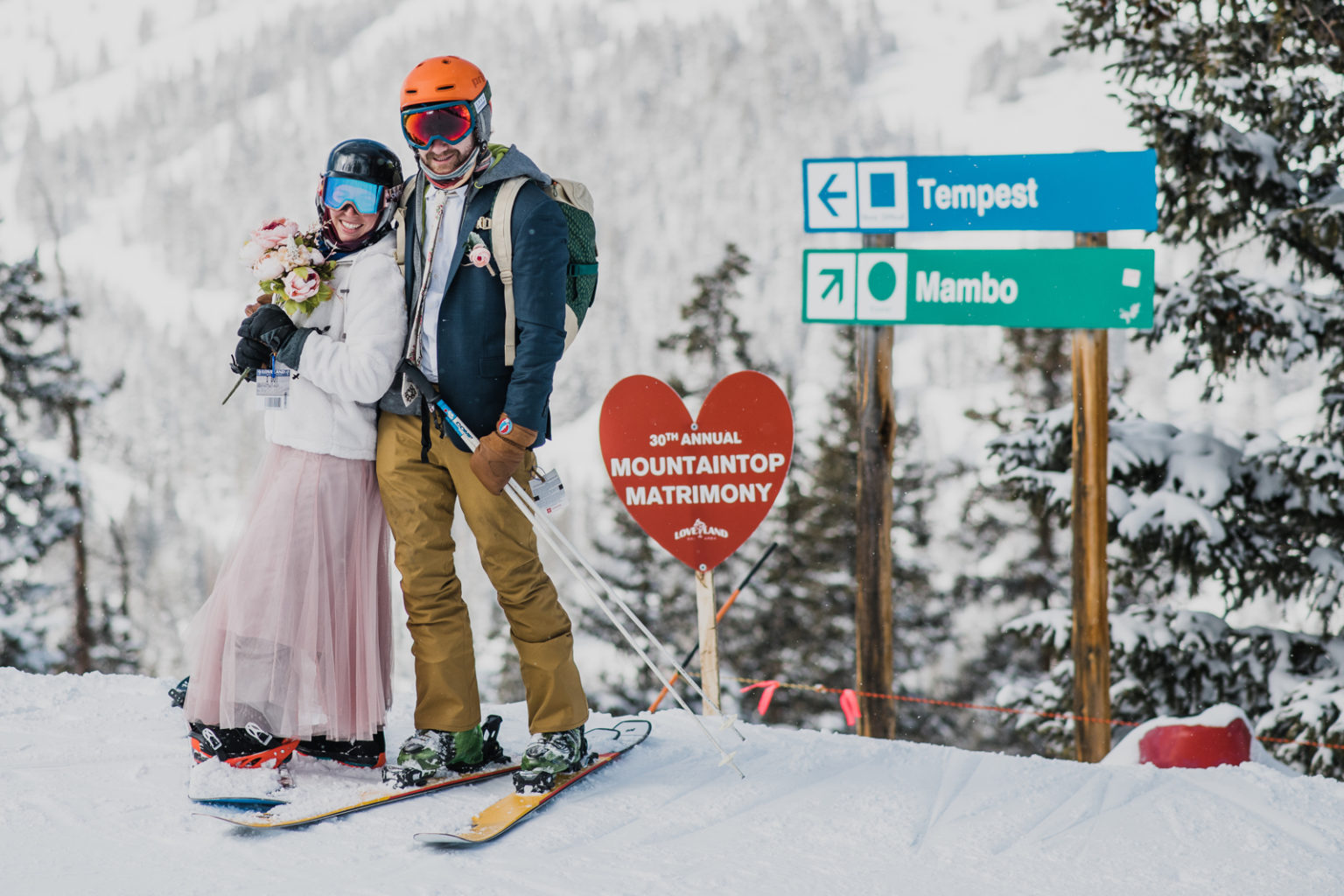
Loveland Pass sits at 11,949 feet and connects the I-25 corridor to the western slope. It’s a dramatic, windswept alpine landscape. You’re literally on top of the world up there. The views are vast and a bit raw — it feels very Colorado.
Best season: late May through September. The road can close due to snow, so before you plan a ceremony here, check road conditions. No permits are required for personal elopements, but the permit rules can be specific, so verify with the Forest Service. Weather is genuinely unpredictable at this elevation, so flexibility is important.
The expansive landscape can make people look small, and we often use that intentionally — it emphasizes the intimacy of just two people in this huge landscape. The light at this elevation can be intense and contrasty, so we typically plan shoots for early morning or late afternoon to avoid harsh midday sun.
Garden of the Gods (near Manitou Springs)
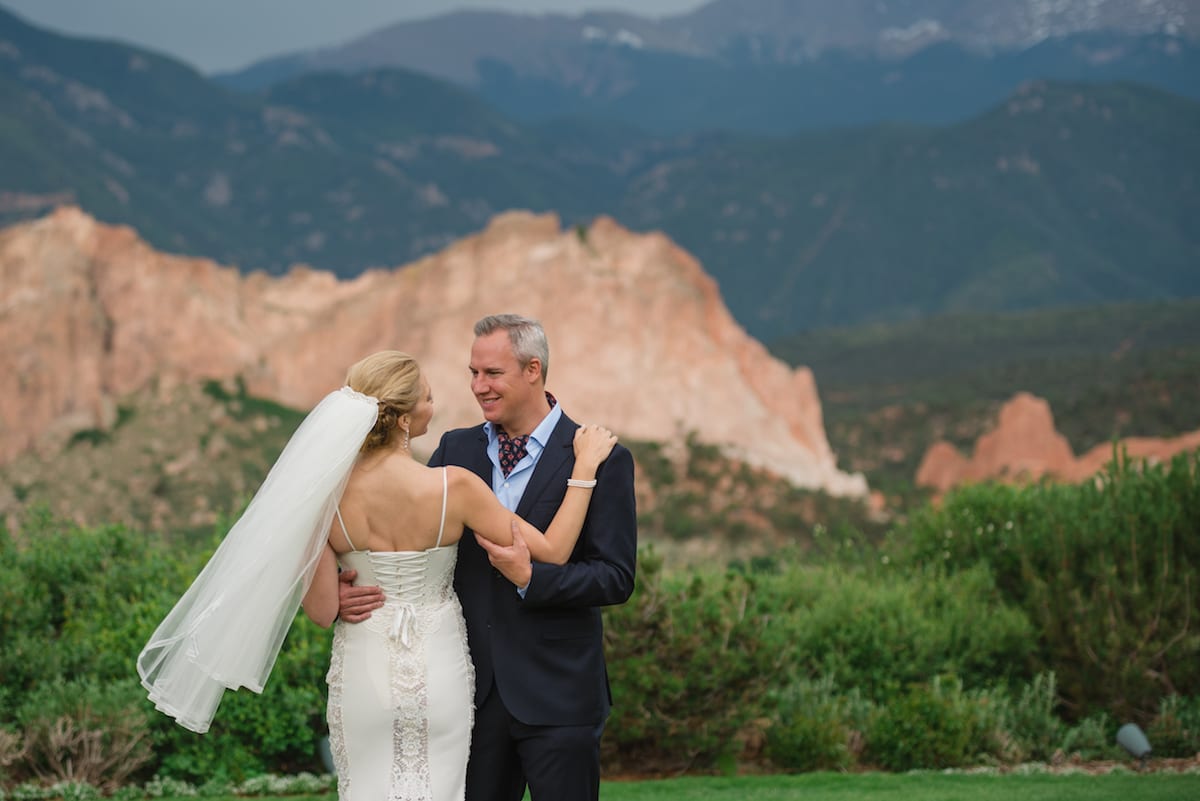
Garden of the Gods offers a completely different Colorado landscape — red rock formations, juniper trees, and desert-like terrain. If you want dramatic color contrast in your photos (the red rocks are stunning), this is it. It’s much more accessible than high alpine locations, which is great if you want to avoid extreme elevation or unpredictable alpine weather.
Best season: April through October. Permits are required here, and we handle all of that coordination with the park on your behalf. They’re reasonable about small elopements, and we know the process well. The park can get crowded during peak hours, so early morning is your friend.
The red rocks are the star here, and we always plan our timing around golden hour when the light hits them at a low angle — the color saturation is incredible. We make sure to include the formations prominently rather than letting them fade into the background.
Guanella Pass
Guanella Pass is a scenic mountain pass between Georgetown and Grant that’s less famous than Trail Ridge Road but equally beautiful. You get high alpine scenery without the crowds of the national park. The landscape includes both tundra and forest, and the views stretch for miles.
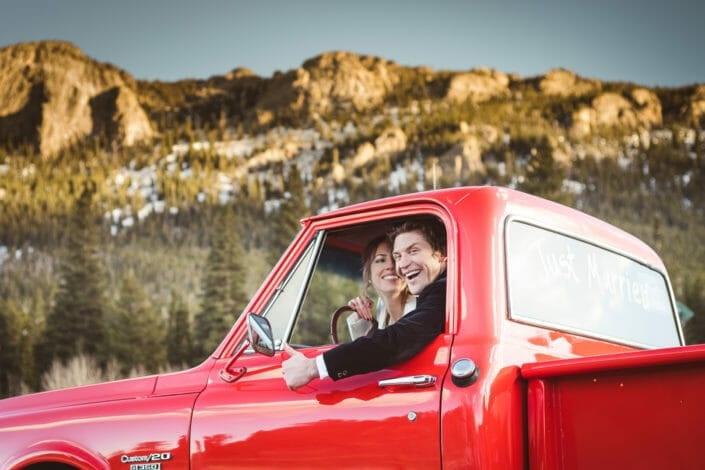
Best season: June through September. No permits required. The pass is usually open by late May, but confirm before planning. The road is scenic but not always maintained to Interstate standards, so drive carefully.
We look for compositions that layer the foreground (wildflowers in summer, tundra plants in fall), middle ground (the two of you), and background (distant peaks). That layering creates depth and tells a more complete visual story.

Maroon Bells
Maroon Bells near Aspen is iconic Colorado — two perfectly pyramidal peaks reflected in a pristine lake, surrounded by aspen trees. It’s one of the most photographed locations in Colorado, which means it’s both gorgeous and crowded.
Best season: June through October (note: winter access is limited and the peaks are usually snow-covered, which changes the look significantly). Permits are required, and we handle pulling those permits and coordinating with White River National Forest on your behalf. The lot can reach capacity, so early arrival is essential.
We always capture Maroon Bells with the lake and reflection in the frame — that’s the iconic shot and it earns its reputation. We also pull back for intimate portraits of just the two of you with the peaks in soft focus behind you. The variety makes for a richer, more complete collection.
Elopement Logistics in Colorado
Before we wrap up, let’s cover some practical elopement considerations for mountain ceremonies in Colorado.
Permits: Some locations require photography permits or elopement permits, and some don’t. We handle all of this for you — researching what’s needed, pulling the permits, and coordinating with the managing agency so you don’t have to think about it. Most are pretty straightforward and inexpensive for small groups, but they do require advance planning, which is another reason to book early.
Timing and light: The Colorado sun is intense, especially at elevation. Plan your ceremony during golden hour (early morning or late afternoon) if possible. If you must shoot during midday, look for shaded forest areas. Be realistic about timing — if you’re hiking to a location, add time for the hike.
Weather backup: Mountain weather is unpredictable. Have a Plan B ready — either an alternative date, an alternative location at lower elevation, or an alternative ceremony style that works in unexpected weather. We’ve done elopements in snow, rain, and unexpected cold. The important thing is flexibility.
Elevation: If you’re not acclimated to altitude, high elevation elopements can be exhausting. Plan shorter ceremonies, bring water and snacks, and be kind to yourselves. Elevation affects everyone differently.
Timing permits and photography: We stay current on permit requirements and location-specific restrictions at every location we shoot. Some parks have rules about where photography crews can set up, and we know those constraints before we arrive.
Frequently Asked Questions
What are the best mountain locations for a Colorado elopement?
Favorites include Rocky Mountain National Park (Trail Ridge Road, Sprague Lake, and Bear Lake), Sapphire Point near Dillon, Loveland Pass, Garden of the Gods near Manitou Springs, Guanella Pass, and Maroon Bells near Aspen. Each offers a different character, from high alpine tundra to red rock formations to iconic lake reflections.
Do I need a permit to elope at these Colorado locations?
It varies by location. Many spots do not require permits for small, simple ceremonies, while places like Garden of the Gods and Maroon Bells do require them. Either way, we handle it for you — researching what is needed, pulling the permits, and coordinating with the managing agency so you do not have to think about it.
What is the best time of year to elope in the Colorado mountains?
For most high alpine locations, summer through early fall (roughly June through September or October) is ideal, when roads are open and the weather is more stable. Garden of the Gods works April through October. Some high passes can close due to snow, so always confirm road conditions before planning.
What should we know about timing and light for mountain elopement photos?
The Colorado sun is intense, especially at elevation, so we plan ceremonies during golden hour in early morning or late afternoon whenever possible. If you must shoot midday, we look for shaded forest areas. If you are hiking to a location, we add time for the hike.
How should we prepare for elevation and weather on our elopement day?
Mountain weather is unpredictable, so have a Plan B ready — an alternative date, a lower-elevation location, or a ceremony style that works in unexpected weather. If you are not acclimated to altitude, plan shorter ceremonies, bring water and snacks, and be kind to yourselves, since elevation affects everyone differently.
Keep Reading
- Ski Elopement at Loveland
- Best Denver Wedding Venues for Photography
- How to Choose the Right Wedding Photographer
- Denver’s Best Golden Hour Spots — Perfect for Elopement Planning
- Mountain Engagement Photos Near Denver
- View Our Elopement Photography Portfolio
Why We Love Colorado Elopements
Colorado elopements are special. The landscapes are genuinely breathtaking. The couples are present and focused and often genuinely emotional. The light is usually beautiful. And the simplicity of the day — no logistics stress, no performance for an audience — creates space for real intimacy and joy.
If you’re thinking about a Colorado elopement and want to talk through location options, logistics, timing, or anything else, we’d absolutely love to help. We know these mountains. We understand the light at different seasons and times of day. And we’re genuinely excited about capturing the joy and intimacy of elopement days. Reach out to our team to start planning your Colorado mountain elopement.