
Modern bouquets combine practical considerations with aesthetic beauty. Flowers symbolize different emotions: roses represent love, lilies symbolize purity, and orchids convey elegance. The bouquet toss, where the bride throws her bouquet to unmarried guests, supposedly brings good fortune to whoever catches it.
The “Something Old, Something New” Tradition
One of the most enduring Western wedding traditions involves the bride wearing something old, something new, something borrowed, and something blue. This rhyme encapsulates hopes for the marriage:
- Something Old: Symbolizes continuity with the past and family heritage. Many brides wear their mother’s or grandmother’s jewelry to honor family history.
- Something New: Represents the new life beginning with marriage and the couple’s fresh start together.
- Something Borrowed: Traditionally borrowed from a happily married woman, symbolizing the hope that their happiness will transfer to the new bride.
- Something Blue: Historically symbolized fidelity and loyalty. Many brides incorporate blue through garters, jewelry, or hidden dress details.
Veil Traditions Across Cultures
The bridal veil evolved from ancient Greek and Roman practices. Ancient peoples believed veils protected brides from evil spirits and negative energy. This spiritual protection transformed into a symbol of modesty, purity, and transition from maiden to wife.
Different cultures maintain distinct veil traditions. Some brides wear elaborate veils that trail dramatically behind them, while others prefer simple, elegant coverings. The veil remains one of the most recognizable bridal elements, even as styles and materials evolve.
International Wedding Superstitions and Beliefs
Wedding superstitions span the globe, each culture developing unique beliefs about luck and marriage. These traditions reveal what different societies value most in partnerships.
In England, finding a spider in your wedding dress brings good luck, representing prosperity and abundance. The Czech tradition of throwing peas at newlyweds (rather than rice) symbolizes fertility and abundance.
Egyptian weddings emphasize family support. After the ceremony, the bride’s family traditionally prepares all meals for the newlyweds’ first week, allowing them to focus on adjustment and bonding.
In South Africa, families carried fire from their separate hearths to light a new fire in the newlyweds’ home, symbolizing the joining of two families and the creation of a new household.
Modern Traditions: Reinterpreting Old Customs
Today’s couples often blend traditional ceremonies with modern sensibilities. The groom traditionally carried the bride across the threshold to protect her from evil spirits, yet contemporary couples frequently walk together over this symbolic boundary.
The practice of “giving away the bride” originated as a contract between families involving wealth transfer. Modern couples often adapt this tradition, with some brides walking themselves down the aisle or both parents accompanying them, challenging historical gender dynamics.
Contemporary wedding planning allows couples to honor traditions meaningfully while creating new customs unique to their relationship. Many incorporate elements from both partners’ cultural backgrounds, creating truly personal ceremonies.

Wedding Timeline and Important Dates
Interesting statistics reveal patterns in wedding traditions and timing. Approximately 7,000 couples marry each day in the United States. The busiest marriage and elopement days in Las Vegas are Valentine’s Day and New Year’s Eve, when couples embrace romantic traditions.
June remains the luckiest month for weddings in Western tradition, named after Juno, the Roman goddess of marriage. This historical association drives many couples to choose June ceremonies, continuing an ancient tradition into modern times.
Most Expensive Weddings in History
One of the most extravagant weddings ever recorded was the 1981 marriage of Sheik Rashid Bin Saeed Al Maktoum’s son to Princess Salama in Dubai, which cost an astounding $44 million. This celebration demonstrated how wedding traditions scale with wealth and cultural significance.
Frequently Asked Questions About Wedding Traditions
Why Do We Have Wedding Traditions?
Wedding traditions serve multiple purposes: they connect couples to their cultural heritage, provide structure for celebrations, create meaningful rituals, and unite families and communities. These customs offer comfort through familiarity while marking a significant life transition.
Can I Mix Traditions from Different Cultures?
Absolutely. Modern couples increasingly blend traditions from multiple cultural backgrounds, creating ceremonies that authentically represent their identities and values. This approach honors different heritages while creating something uniquely personal. Consider consulting with family members about meaningful traditions and finding creative ways to incorporate them meaningfully.
What If I Don’t Want Traditional Elements in My Wedding?
Your wedding should reflect your values and preferences. Some couples choose completely non-traditional ceremonies that break from convention entirely. Others select specific traditional elements that resonate personally while omitting others. The key is intentionality–choosing elements because they matter to you, not simply because they’re expected.
Are Wedding Superstitions Based on Reality?
Wedding superstitions reflect cultural values and hopes rather than scientific fact. Whether rain brings luck or Saturday weddings are unlucky matters less than understanding what these traditions represent. Many couples find meaning and comfort in superstitions regardless of their empirical validity.
How Do I Respectfully Incorporate Unfamiliar Traditions?
If including traditions from cultures outside your immediate background, research thoroughly and approach with respect. Consult with people from that culture, understand the symbolism, and seek permission before incorporating sacred or significant rituals. This ensures authentic representation rather than cultural appropriation.
Planning Your Wedding With Tradition in Mind
Whether you’re planning an intimate ceremony or grand celebration, understanding wedding traditions enriches your special day. Consider which customs resonate with your values and which feel authentic to your relationship.
From the white dress to the exchange of rings, from cake cutting to bouquet toss, each tradition carries centuries of meaning. Your wedding is an opportunity to honor heritage while creating new memories and potentially establishing traditions for your own children someday.
At From the Hip Photo, we understand the importance of capturing these meaningful moments. Whether your ceremony honors ancient traditions or forges new paths, our photography preserves the emotions, details, and joy of your celebration.
Explore Our Wedding Photography Services
Every couple’s story is unique. Browse our wedding portfolio to see how we capture different traditions and celebrations. From cultural ceremonies to modern celebrations, we provide photography that honors what matters most to your special day.
Interested in learning more about wedding venues? Check out our venue guides and photography tips to inspire your planning.
Explore More From the Blog
- Planning Your Dream Wedding
- Second Photographer Benefits
- Dunafon Castle Wedding
- Natural Photo Prompts

The stag party tradition originated with ancient Spartan soldiers, who held rowdy celebrations to bid farewell to their bachelor days. This practice evolved into the modern bachelor party–a cherished pre-wedding tradition where grooms celebrate with close friends.
Bachelorette parties, the female equivalent, have grown increasingly popular in recent decades. These celebrations allow brides to spend quality time with their closest friends before marriage, creating memories and strengthening bonds.
Bridal Bouquets and Flower Traditions
The bridal bouquet carries practical and symbolic significance in wedding traditions. One hundred years ago, when hygiene standards were significantly lower, brides carried fragrant bouquets to cover body odor and ensure they smelled pleasant for the ceremony.
Modern bouquets combine practical considerations with aesthetic beauty. Flowers symbolize different emotions: roses represent love, lilies symbolize purity, and orchids convey elegance. The bouquet toss, where the bride throws her bouquet to unmarried guests, supposedly brings good fortune to whoever catches it.
The “Something Old, Something New” Tradition
One of the most enduring Western wedding traditions involves the bride wearing something old, something new, something borrowed, and something blue. This rhyme encapsulates hopes for the marriage:
- Something Old: Symbolizes continuity with the past and family heritage. Many brides wear their mother’s or grandmother’s jewelry to honor family history.
- Something New: Represents the new life beginning with marriage and the couple’s fresh start together.
- Something Borrowed: Traditionally borrowed from a happily married woman, symbolizing the hope that their happiness will transfer to the new bride.
- Something Blue: Historically symbolized fidelity and loyalty. Many brides incorporate blue through garters, jewelry, or hidden dress details.
Veil Traditions Across Cultures
The bridal veil evolved from ancient Greek and Roman practices. Ancient peoples believed veils protected brides from evil spirits and negative energy. This spiritual protection transformed into a symbol of modesty, purity, and transition from maiden to wife.
Different cultures maintain distinct veil traditions. Some brides wear elaborate veils that trail dramatically behind them, while others prefer simple, elegant coverings. The veil remains one of the most recognizable bridal elements, even as styles and materials evolve.
International Wedding Superstitions and Beliefs
Wedding superstitions span the globe, each culture developing unique beliefs about luck and marriage. These traditions reveal what different societies value most in partnerships.
In England, finding a spider in your wedding dress brings good luck, representing prosperity and abundance. The Czech tradition of throwing peas at newlyweds (rather than rice) symbolizes fertility and abundance.
Egyptian weddings emphasize family support. After the ceremony, the bride’s family traditionally prepares all meals for the newlyweds’ first week, allowing them to focus on adjustment and bonding.
In South Africa, families carried fire from their separate hearths to light a new fire in the newlyweds’ home, symbolizing the joining of two families and the creation of a new household.
Modern Traditions: Reinterpreting Old Customs
Today’s couples often blend traditional ceremonies with modern sensibilities. The groom traditionally carried the bride across the threshold to protect her from evil spirits, yet contemporary couples frequently walk together over this symbolic boundary.
The practice of “giving away the bride” originated as a contract between families involving wealth transfer. Modern couples often adapt this tradition, with some brides walking themselves down the aisle or both parents accompanying them, challenging historical gender dynamics.
Contemporary wedding planning allows couples to honor traditions meaningfully while creating new customs unique to their relationship. Many incorporate elements from both partners’ cultural backgrounds, creating truly personal ceremonies.
Wedding Timeline and Important Dates
Interesting statistics reveal patterns in wedding traditions and timing. Approximately 7,000 couples marry each day in the United States. The busiest marriage and elopement days in Las Vegas are Valentine’s Day and New Year’s Eve, when couples embrace romantic traditions.
June remains the luckiest month for weddings in Western tradition, named after Juno, the Roman goddess of marriage. This historical association drives many couples to choose June ceremonies, continuing an ancient tradition into modern times.
Most Expensive Weddings in History
One of the most extravagant weddings ever recorded was the 1981 marriage of Sheik Rashid Bin Saeed Al Maktoum’s son to Princess Salama in Dubai, which cost an astounding $44 million. This celebration demonstrated how wedding traditions scale with wealth and cultural significance.
Frequently Asked Questions About Wedding Traditions
Why Do We Have Wedding Traditions?
Wedding traditions serve multiple purposes: they connect couples to their cultural heritage, provide structure for celebrations, create meaningful rituals, and unite families and communities. These customs offer comfort through familiarity while marking a significant life transition.
Can I Mix Traditions from Different Cultures?
Absolutely. Modern couples increasingly blend traditions from multiple cultural backgrounds, creating ceremonies that authentically represent their identities and values. This approach honors different heritages while creating something uniquely personal. Consider consulting with family members about meaningful traditions and finding creative ways to incorporate them meaningfully.
What If I Don’t Want Traditional Elements in My Wedding?
Your wedding should reflect your values and preferences. Some couples choose completely non-traditional ceremonies that break from convention entirely. Others select specific traditional elements that resonate personally while omitting others. The key is intentionality–choosing elements because they matter to you, not simply because they’re expected.
Are Wedding Superstitions Based on Reality?
Wedding superstitions reflect cultural values and hopes rather than scientific fact. Whether rain brings luck or Saturday weddings are unlucky matters less than understanding what these traditions represent. Many couples find meaning and comfort in superstitions regardless of their empirical validity.
How Do I Respectfully Incorporate Unfamiliar Traditions?
If including traditions from cultures outside your immediate background, research thoroughly and approach with respect. Consult with people from that culture, understand the symbolism, and seek permission before incorporating sacred or significant rituals. This ensures authentic representation rather than cultural appropriation.
Planning Your Wedding With Tradition in Mind
Whether you’re planning an intimate ceremony or grand celebration, understanding wedding traditions enriches your special day. Consider which customs resonate with your values and which feel authentic to your relationship.
From the white dress to the exchange of rings, from cake cutting to bouquet toss, each tradition carries centuries of meaning. Your wedding is an opportunity to honor heritage while creating new memories and potentially establishing traditions for your own children someday.
At From the Hip Photo, we understand the importance of capturing these meaningful moments. Whether your ceremony honors ancient traditions or forges new paths, our photography preserves the emotions, details, and joy of your celebration.
Explore Our Wedding Photography Services
Every couple’s story is unique. Browse our wedding portfolio to see how we capture different traditions and celebrations. From cultural ceremonies to modern celebrations, we provide photography that honors what matters most to your special day.
Interested in learning more about wedding venues? Check out our venue guides and photography tips to inspire your planning.
Explore More From the Blog
- Planning Your Dream Wedding
- Second Photographer Benefits
- Dunafon Castle Wedding
- Natural Photo Prompts

The lasso ceremony (lazo de matrimonio) binds the couple together with a decorative cord or rope, symbolizing their unity and unbreakable bond. This beautiful ritual visually represents the joining of two lives and families.
The groom traditionally gives his bride a gift of gold coins (arras) during the ceremony, representing his commitment to provide for and protect the family. This practice emphasizes financial responsibility and partnership.
The mariachi band, an iconic element of Mexican weddings, fills celebrations with music and energy. These traditionally dressed musicians perform romantic songs during ceremonies and receptions, creating festive, joyful atmosphere.
Pre-Wedding Celebrations: Bachelor and Bachelorette Traditions
The stag party tradition originated with ancient Spartan soldiers, who held rowdy celebrations to bid farewell to their bachelor days. This practice evolved into the modern bachelor party–a cherished pre-wedding tradition where grooms celebrate with close friends.
Bachelorette parties, the female equivalent, have grown increasingly popular in recent decades. These celebrations allow brides to spend quality time with their closest friends before marriage, creating memories and strengthening bonds.
Bridal Bouquets and Flower Traditions
The bridal bouquet carries practical and symbolic significance in wedding traditions. One hundred years ago, when hygiene standards were significantly lower, brides carried fragrant bouquets to cover body odor and ensure they smelled pleasant for the ceremony.
Modern bouquets combine practical considerations with aesthetic beauty. Flowers symbolize different emotions: roses represent love, lilies symbolize purity, and orchids convey elegance. The bouquet toss, where the bride throws her bouquet to unmarried guests, supposedly brings good fortune to whoever catches it.
The “Something Old, Something New” Tradition
One of the most enduring Western wedding traditions involves the bride wearing something old, something new, something borrowed, and something blue. This rhyme encapsulates hopes for the marriage:
- Something Old: Symbolizes continuity with the past and family heritage. Many brides wear their mother’s or grandmother’s jewelry to honor family history.
- Something New: Represents the new life beginning with marriage and the couple’s fresh start together.
- Something Borrowed: Traditionally borrowed from a happily married woman, symbolizing the hope that their happiness will transfer to the new bride.
- Something Blue: Historically symbolized fidelity and loyalty. Many brides incorporate blue through garters, jewelry, or hidden dress details.
Veil Traditions Across Cultures
The bridal veil evolved from ancient Greek and Roman practices. Ancient peoples believed veils protected brides from evil spirits and negative energy. This spiritual protection transformed into a symbol of modesty, purity, and transition from maiden to wife.
Different cultures maintain distinct veil traditions. Some brides wear elaborate veils that trail dramatically behind them, while others prefer simple, elegant coverings. The veil remains one of the most recognizable bridal elements, even as styles and materials evolve.
International Wedding Superstitions and Beliefs
Wedding superstitions span the globe, each culture developing unique beliefs about luck and marriage. These traditions reveal what different societies value most in partnerships.
In England, finding a spider in your wedding dress brings good luck, representing prosperity and abundance. The Czech tradition of throwing peas at newlyweds (rather than rice) symbolizes fertility and abundance.
Egyptian weddings emphasize family support. After the ceremony, the bride’s family traditionally prepares all meals for the newlyweds’ first week, allowing them to focus on adjustment and bonding.
In South Africa, families carried fire from their separate hearths to light a new fire in the newlyweds’ home, symbolizing the joining of two families and the creation of a new household.
Modern Traditions: Reinterpreting Old Customs
Today’s couples often blend traditional ceremonies with modern sensibilities. The groom traditionally carried the bride across the threshold to protect her from evil spirits, yet contemporary couples frequently walk together over this symbolic boundary.
The practice of “giving away the bride” originated as a contract between families involving wealth transfer. Modern couples often adapt this tradition, with some brides walking themselves down the aisle or both parents accompanying them, challenging historical gender dynamics.
Contemporary wedding planning allows couples to honor traditions meaningfully while creating new customs unique to their relationship. Many incorporate elements from both partners’ cultural backgrounds, creating truly personal ceremonies.
Wedding Timeline and Important Dates
Interesting statistics reveal patterns in wedding traditions and timing. Approximately 7,000 couples marry each day in the United States. The busiest marriage and elopement days in Las Vegas are Valentine’s Day and New Year’s Eve, when couples embrace romantic traditions.
June remains the luckiest month for weddings in Western tradition, named after Juno, the Roman goddess of marriage. This historical association drives many couples to choose June ceremonies, continuing an ancient tradition into modern times.
Most Expensive Weddings in History
One of the most extravagant weddings ever recorded was the 1981 marriage of Sheik Rashid Bin Saeed Al Maktoum’s son to Princess Salama in Dubai, which cost an astounding $44 million. This celebration demonstrated how wedding traditions scale with wealth and cultural significance.
Frequently Asked Questions About Wedding Traditions
Why Do We Have Wedding Traditions?
Wedding traditions serve multiple purposes: they connect couples to their cultural heritage, provide structure for celebrations, create meaningful rituals, and unite families and communities. These customs offer comfort through familiarity while marking a significant life transition.
Can I Mix Traditions from Different Cultures?
Absolutely. Modern couples increasingly blend traditions from multiple cultural backgrounds, creating ceremonies that authentically represent their identities and values. This approach honors different heritages while creating something uniquely personal. Consider consulting with family members about meaningful traditions and finding creative ways to incorporate them meaningfully.
What If I Don’t Want Traditional Elements in My Wedding?
Your wedding should reflect your values and preferences. Some couples choose completely non-traditional ceremonies that break from convention entirely. Others select specific traditional elements that resonate personally while omitting others. The key is intentionality–choosing elements because they matter to you, not simply because they’re expected.
Are Wedding Superstitions Based on Reality?
Wedding superstitions reflect cultural values and hopes rather than scientific fact. Whether rain brings luck or Saturday weddings are unlucky matters less than understanding what these traditions represent. Many couples find meaning and comfort in superstitions regardless of their empirical validity.
How Do I Respectfully Incorporate Unfamiliar Traditions?
If including traditions from cultures outside your immediate background, research thoroughly and approach with respect. Consult with people from that culture, understand the symbolism, and seek permission before incorporating sacred or significant rituals. This ensures authentic representation rather than cultural appropriation.
Planning Your Wedding With Tradition in Mind
Whether you’re planning an intimate ceremony or grand celebration, understanding wedding traditions enriches your special day. Consider which customs resonate with your values and which feel authentic to your relationship.
From the white dress to the exchange of rings, from cake cutting to bouquet toss, each tradition carries centuries of meaning. Your wedding is an opportunity to honor heritage while creating new memories and potentially establishing traditions for your own children someday.
At From the Hip Photo, we understand the importance of capturing these meaningful moments. Whether your ceremony honors ancient traditions or forges new paths, our photography preserves the emotions, details, and joy of your celebration.
Explore Our Wedding Photography Services
Every couple’s story is unique. Browse our wedding portfolio to see how we capture different traditions and celebrations. From cultural ceremonies to modern celebrations, we provide photography that honors what matters most to your special day.
Interested in learning more about wedding venues? Check out our venue guides and photography tips to inspire your planning.
Explore More From the Blog
- Planning Your Dream Wedding
- Second Photographer Benefits
- Dunafon Castle Wedding
- Natural Photo Prompts

The ketubah, a marriage contract signed before the ceremony, represents the groom’s legal and financial obligations to his bride. This document, often beautifully illuminated with artwork, is displayed during the ceremony and treasured afterward as a reminder of commitments made.
The groom breaks a glass at the ceremony’s conclusion, symbolizing the fragility of life and marriage’s need for careful nurturing. Guests celebrate this moment with cheers of “Mazel Tov,” expressing wishes for good fortune and joy.
The chuppah, a marriage canopy, shelters the couple during their ceremony. This structure symbolizes the couple’s new home and the shelter they provide each other. Friends and family members often participate by holding the chuppah’s poles, representing community support.
Mexican and Latin American Wedding Customs
Mexican weddings celebrate love, family, and faith with vibrant traditions passed down through generations. These customs reflect indigenous heritage blended with Spanish Catholic influences.
The lasso ceremony (lazo de matrimonio) binds the couple together with a decorative cord or rope, symbolizing their unity and unbreakable bond. This beautiful ritual visually represents the joining of two lives and families.
The groom traditionally gives his bride a gift of gold coins (arras) during the ceremony, representing his commitment to provide for and protect the family. This practice emphasizes financial responsibility and partnership.
The mariachi band, an iconic element of Mexican weddings, fills celebrations with music and energy. These traditionally dressed musicians perform romantic songs during ceremonies and receptions, creating festive, joyful atmosphere.
Pre-Wedding Celebrations: Bachelor and Bachelorette Traditions
The stag party tradition originated with ancient Spartan soldiers, who held rowdy celebrations to bid farewell to their bachelor days. This practice evolved into the modern bachelor party–a cherished pre-wedding tradition where grooms celebrate with close friends.
Bachelorette parties, the female equivalent, have grown increasingly popular in recent decades. These celebrations allow brides to spend quality time with their closest friends before marriage, creating memories and strengthening bonds.
Bridal Bouquets and Flower Traditions
The bridal bouquet carries practical and symbolic significance in wedding traditions. One hundred years ago, when hygiene standards were significantly lower, brides carried fragrant bouquets to cover body odor and ensure they smelled pleasant for the ceremony.
Modern bouquets combine practical considerations with aesthetic beauty. Flowers symbolize different emotions: roses represent love, lilies symbolize purity, and orchids convey elegance. The bouquet toss, where the bride throws her bouquet to unmarried guests, supposedly brings good fortune to whoever catches it.
The “Something Old, Something New” Tradition
One of the most enduring Western wedding traditions involves the bride wearing something old, something new, something borrowed, and something blue. This rhyme encapsulates hopes for the marriage:
- Something Old: Symbolizes continuity with the past and family heritage. Many brides wear their mother’s or grandmother’s jewelry to honor family history.
- Something New: Represents the new life beginning with marriage and the couple’s fresh start together.
- Something Borrowed: Traditionally borrowed from a happily married woman, symbolizing the hope that their happiness will transfer to the new bride.
- Something Blue: Historically symbolized fidelity and loyalty. Many brides incorporate blue through garters, jewelry, or hidden dress details.
Veil Traditions Across Cultures
The bridal veil evolved from ancient Greek and Roman practices. Ancient peoples believed veils protected brides from evil spirits and negative energy. This spiritual protection transformed into a symbol of modesty, purity, and transition from maiden to wife.
Different cultures maintain distinct veil traditions. Some brides wear elaborate veils that trail dramatically behind them, while others prefer simple, elegant coverings. The veil remains one of the most recognizable bridal elements, even as styles and materials evolve.
International Wedding Superstitions and Beliefs
Wedding superstitions span the globe, each culture developing unique beliefs about luck and marriage. These traditions reveal what different societies value most in partnerships.
In England, finding a spider in your wedding dress brings good luck, representing prosperity and abundance. The Czech tradition of throwing peas at newlyweds (rather than rice) symbolizes fertility and abundance.
Egyptian weddings emphasize family support. After the ceremony, the bride’s family traditionally prepares all meals for the newlyweds’ first week, allowing them to focus on adjustment and bonding.
In South Africa, families carried fire from their separate hearths to light a new fire in the newlyweds’ home, symbolizing the joining of two families and the creation of a new household.
Modern Traditions: Reinterpreting Old Customs
Today’s couples often blend traditional ceremonies with modern sensibilities. The groom traditionally carried the bride across the threshold to protect her from evil spirits, yet contemporary couples frequently walk together over this symbolic boundary.
The practice of “giving away the bride” originated as a contract between families involving wealth transfer. Modern couples often adapt this tradition, with some brides walking themselves down the aisle or both parents accompanying them, challenging historical gender dynamics.
Contemporary wedding planning allows couples to honor traditions meaningfully while creating new customs unique to their relationship. Many incorporate elements from both partners’ cultural backgrounds, creating truly personal ceremonies.
Wedding Timeline and Important Dates
Interesting statistics reveal patterns in wedding traditions and timing. Approximately 7,000 couples marry each day in the United States. The busiest marriage and elopement days in Las Vegas are Valentine’s Day and New Year’s Eve, when couples embrace romantic traditions.
June remains the luckiest month for weddings in Western tradition, named after Juno, the Roman goddess of marriage. This historical association drives many couples to choose June ceremonies, continuing an ancient tradition into modern times.
Most Expensive Weddings in History
One of the most extravagant weddings ever recorded was the 1981 marriage of Sheik Rashid Bin Saeed Al Maktoum’s son to Princess Salama in Dubai, which cost an astounding $44 million. This celebration demonstrated how wedding traditions scale with wealth and cultural significance.
Frequently Asked Questions About Wedding Traditions
Why Do We Have Wedding Traditions?
Wedding traditions serve multiple purposes: they connect couples to their cultural heritage, provide structure for celebrations, create meaningful rituals, and unite families and communities. These customs offer comfort through familiarity while marking a significant life transition.
Can I Mix Traditions from Different Cultures?
Absolutely. Modern couples increasingly blend traditions from multiple cultural backgrounds, creating ceremonies that authentically represent their identities and values. This approach honors different heritages while creating something uniquely personal. Consider consulting with family members about meaningful traditions and finding creative ways to incorporate them meaningfully.
What If I Don’t Want Traditional Elements in My Wedding?
Your wedding should reflect your values and preferences. Some couples choose completely non-traditional ceremonies that break from convention entirely. Others select specific traditional elements that resonate personally while omitting others. The key is intentionality–choosing elements because they matter to you, not simply because they’re expected.
Are Wedding Superstitions Based on Reality?
Wedding superstitions reflect cultural values and hopes rather than scientific fact. Whether rain brings luck or Saturday weddings are unlucky matters less than understanding what these traditions represent. Many couples find meaning and comfort in superstitions regardless of their empirical validity.
How Do I Respectfully Incorporate Unfamiliar Traditions?
If including traditions from cultures outside your immediate background, research thoroughly and approach with respect. Consult with people from that culture, understand the symbolism, and seek permission before incorporating sacred or significant rituals. This ensures authentic representation rather than cultural appropriation.
Planning Your Wedding With Tradition in Mind
Whether you’re planning an intimate ceremony or grand celebration, understanding wedding traditions enriches your special day. Consider which customs resonate with your values and which feel authentic to your relationship.
From the white dress to the exchange of rings, from cake cutting to bouquet toss, each tradition carries centuries of meaning. Your wedding is an opportunity to honor heritage while creating new memories and potentially establishing traditions for your own children someday.
At From the Hip Photo, we understand the importance of capturing these meaningful moments. Whether your ceremony honors ancient traditions or forges new paths, our photography preserves the emotions, details, and joy of your celebration.
Explore Our Wedding Photography Services
Every couple’s story is unique. Browse our wedding portfolio to see how we capture different traditions and celebrations. From cultural ceremonies to modern celebrations, we provide photography that honors what matters most to your special day.
Interested in learning more about wedding venues? Check out our venue guides and photography tips to inspire your planning.
Explore More From the Blog
- Planning Your Dream Wedding
- Second Photographer Benefits
- Dunafon Castle Wedding
- Natural Photo Prompts

Chinese culture emphasizes numerology in wedding planning. The Chinese consider dates including the numbers 8 and 9 to be fortunate–getting married on these dates apparently brings long-lasting wealth and prosperity. Many Chinese couples carefully select wedding dates based on astrological calculations and numerical significance.
Hindu tradition welcomes rain on wedding days as a blessing. Rather than viewing inclement weather as bad luck, rain symbolizes fertility, growth, and divine blessings. This perspective offers comfort to couples planning outdoor ceremonies in monsoon seasons.
Indian Wedding Traditions and Customs
Indian weddings represent some of the world’s most elaborate and meaningful celebrations. These multi-day events weave together religious rituals, family traditions, and regional customs.
The mehendi ceremony, held days before the wedding, celebrates the bride with intricate henna application. Female family members and friends gather to apply decorative henna designs to the bride’s hands and feet, symbolizing joy, beauty, and the beginning of her journey toward marriage.
The vibrant colors of Indian weddings–particularly red and gold–hold deep significance. Red symbolizes prosperity, fertility, and auspiciousness, while gold represents wealth and purity. These colors appear throughout ceremonies, from the bride’s sari to floral decorations and ceremonial elements.
The mandap, a decorated canopy under which ceremonies occur, creates sacred space for the wedding rituals. The couple walks around the sacred fire four times, each rotation representing a different life goal: dharma (duty), artha (prosperity), kama (love), and moksha (spiritual liberation).
Jewish Wedding Traditions and Symbolism
Jewish weddings combine ancient traditions with modern celebrations, creating ceremonies rich with symbolic meaning and spiritual significance.
The ketubah, a marriage contract signed before the ceremony, represents the groom’s legal and financial obligations to his bride. This document, often beautifully illuminated with artwork, is displayed during the ceremony and treasured afterward as a reminder of commitments made.
The groom breaks a glass at the ceremony’s conclusion, symbolizing the fragility of life and marriage’s need for careful nurturing. Guests celebrate this moment with cheers of “Mazel Tov,” expressing wishes for good fortune and joy.
The chuppah, a marriage canopy, shelters the couple during their ceremony. This structure symbolizes the couple’s new home and the shelter they provide each other. Friends and family members often participate by holding the chuppah’s poles, representing community support.
Mexican and Latin American Wedding Customs
Mexican weddings celebrate love, family, and faith with vibrant traditions passed down through generations. These customs reflect indigenous heritage blended with Spanish Catholic influences.
The lasso ceremony (lazo de matrimonio) binds the couple together with a decorative cord or rope, symbolizing their unity and unbreakable bond. This beautiful ritual visually represents the joining of two lives and families.
The groom traditionally gives his bride a gift of gold coins (arras) during the ceremony, representing his commitment to provide for and protect the family. This practice emphasizes financial responsibility and partnership.
The mariachi band, an iconic element of Mexican weddings, fills celebrations with music and energy. These traditionally dressed musicians perform romantic songs during ceremonies and receptions, creating festive, joyful atmosphere.
Pre-Wedding Celebrations: Bachelor and Bachelorette Traditions
The stag party tradition originated with ancient Spartan soldiers, who held rowdy celebrations to bid farewell to their bachelor days. This practice evolved into the modern bachelor party–a cherished pre-wedding tradition where grooms celebrate with close friends.
Bachelorette parties, the female equivalent, have grown increasingly popular in recent decades. These celebrations allow brides to spend quality time with their closest friends before marriage, creating memories and strengthening bonds.
Bridal Bouquets and Flower Traditions
The bridal bouquet carries practical and symbolic significance in wedding traditions. One hundred years ago, when hygiene standards were significantly lower, brides carried fragrant bouquets to cover body odor and ensure they smelled pleasant for the ceremony.
Modern bouquets combine practical considerations with aesthetic beauty. Flowers symbolize different emotions: roses represent love, lilies symbolize purity, and orchids convey elegance. The bouquet toss, where the bride throws her bouquet to unmarried guests, supposedly brings good fortune to whoever catches it.
The “Something Old, Something New” Tradition
One of the most enduring Western wedding traditions involves the bride wearing something old, something new, something borrowed, and something blue. This rhyme encapsulates hopes for the marriage:
- Something Old: Symbolizes continuity with the past and family heritage. Many brides wear their mother’s or grandmother’s jewelry to honor family history.
- Something New: Represents the new life beginning with marriage and the couple’s fresh start together.
- Something Borrowed: Traditionally borrowed from a happily married woman, symbolizing the hope that their happiness will transfer to the new bride.
- Something Blue: Historically symbolized fidelity and loyalty. Many brides incorporate blue through garters, jewelry, or hidden dress details.
Veil Traditions Across Cultures
The bridal veil evolved from ancient Greek and Roman practices. Ancient peoples believed veils protected brides from evil spirits and negative energy. This spiritual protection transformed into a symbol of modesty, purity, and transition from maiden to wife.
Different cultures maintain distinct veil traditions. Some brides wear elaborate veils that trail dramatically behind them, while others prefer simple, elegant coverings. The veil remains one of the most recognizable bridal elements, even as styles and materials evolve.
International Wedding Superstitions and Beliefs
Wedding superstitions span the globe, each culture developing unique beliefs about luck and marriage. These traditions reveal what different societies value most in partnerships.
In England, finding a spider in your wedding dress brings good luck, representing prosperity and abundance. The Czech tradition of throwing peas at newlyweds (rather than rice) symbolizes fertility and abundance.
Egyptian weddings emphasize family support. After the ceremony, the bride’s family traditionally prepares all meals for the newlyweds’ first week, allowing them to focus on adjustment and bonding.
In South Africa, families carried fire from their separate hearths to light a new fire in the newlyweds’ home, symbolizing the joining of two families and the creation of a new household.
Modern Traditions: Reinterpreting Old Customs
Today’s couples often blend traditional ceremonies with modern sensibilities. The groom traditionally carried the bride across the threshold to protect her from evil spirits, yet contemporary couples frequently walk together over this symbolic boundary.
The practice of “giving away the bride” originated as a contract between families involving wealth transfer. Modern couples often adapt this tradition, with some brides walking themselves down the aisle or both parents accompanying them, challenging historical gender dynamics.
Contemporary wedding planning allows couples to honor traditions meaningfully while creating new customs unique to their relationship. Many incorporate elements from both partners’ cultural backgrounds, creating truly personal ceremonies.
Wedding Timeline and Important Dates
Interesting statistics reveal patterns in wedding traditions and timing. Approximately 7,000 couples marry each day in the United States. The busiest marriage and elopement days in Las Vegas are Valentine’s Day and New Year’s Eve, when couples embrace romantic traditions.
June remains the luckiest month for weddings in Western tradition, named after Juno, the Roman goddess of marriage. This historical association drives many couples to choose June ceremonies, continuing an ancient tradition into modern times.
Most Expensive Weddings in History
One of the most extravagant weddings ever recorded was the 1981 marriage of Sheik Rashid Bin Saeed Al Maktoum’s son to Princess Salama in Dubai, which cost an astounding $44 million. This celebration demonstrated how wedding traditions scale with wealth and cultural significance.
Frequently Asked Questions About Wedding Traditions
Why Do We Have Wedding Traditions?
Wedding traditions serve multiple purposes: they connect couples to their cultural heritage, provide structure for celebrations, create meaningful rituals, and unite families and communities. These customs offer comfort through familiarity while marking a significant life transition.
Can I Mix Traditions from Different Cultures?
Absolutely. Modern couples increasingly blend traditions from multiple cultural backgrounds, creating ceremonies that authentically represent their identities and values. This approach honors different heritages while creating something uniquely personal. Consider consulting with family members about meaningful traditions and finding creative ways to incorporate them meaningfully.
What If I Don’t Want Traditional Elements in My Wedding?
Your wedding should reflect your values and preferences. Some couples choose completely non-traditional ceremonies that break from convention entirely. Others select specific traditional elements that resonate personally while omitting others. The key is intentionality–choosing elements because they matter to you, not simply because they’re expected.
Are Wedding Superstitions Based on Reality?
Wedding superstitions reflect cultural values and hopes rather than scientific fact. Whether rain brings luck or Saturday weddings are unlucky matters less than understanding what these traditions represent. Many couples find meaning and comfort in superstitions regardless of their empirical validity.
How Do I Respectfully Incorporate Unfamiliar Traditions?
If including traditions from cultures outside your immediate background, research thoroughly and approach with respect. Consult with people from that culture, understand the symbolism, and seek permission before incorporating sacred or significant rituals. This ensures authentic representation rather than cultural appropriation.
Planning Your Wedding With Tradition in Mind
Whether you’re planning an intimate ceremony or grand celebration, understanding wedding traditions enriches your special day. Consider which customs resonate with your values and which feel authentic to your relationship.
From the white dress to the exchange of rings, from cake cutting to bouquet toss, each tradition carries centuries of meaning. Your wedding is an opportunity to honor heritage while creating new memories and potentially establishing traditions for your own children someday.
At From the Hip Photo, we understand the importance of capturing these meaningful moments. Whether your ceremony honors ancient traditions or forges new paths, our photography preserves the emotions, details, and joy of your celebration.
Explore Our Wedding Photography Services
Every couple’s story is unique. Browse our wedding portfolio to see how we capture different traditions and celebrations. From cultural ceremonies to modern celebrations, we provide photography that honors what matters most to your special day.
Interested in learning more about wedding venues? Check out our venue guides and photography tips to inspire your planning.
Explore More From the Blog
- Planning Your Dream Wedding
- Second Photographer Benefits
- Dunafon Castle Wedding
- Natural Photo Prompts

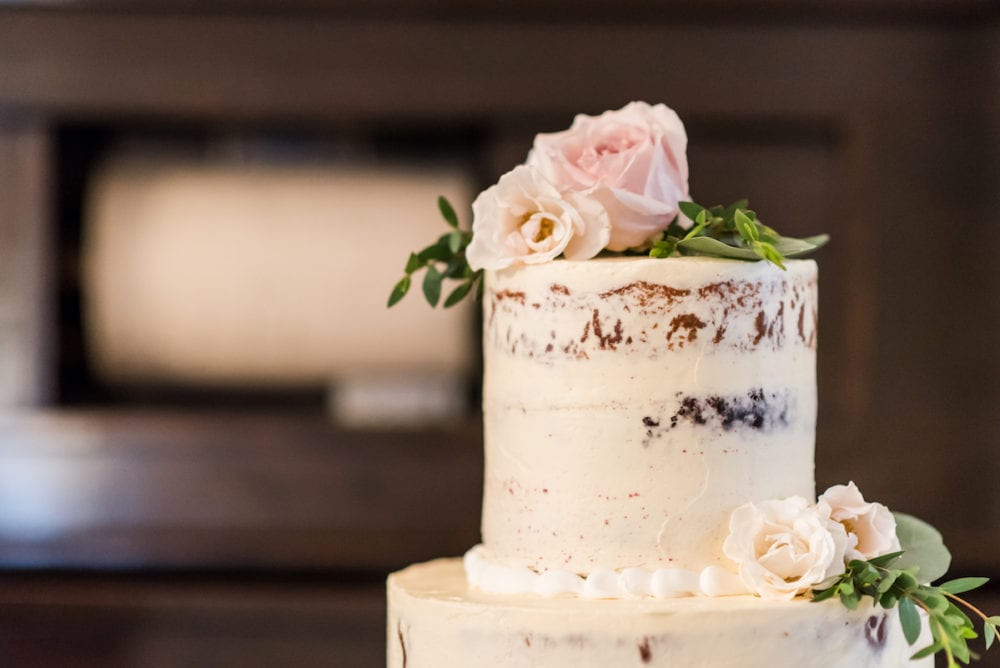
Tiered wedding cakes emerged from a charming game: the bride and groom attempted to kiss over an increasingly tall cake without knocking it over. This playful tradition became visual tradition, with tiers symbolizing layers of commitment and partnership.
Queen Victoria’s wedding cake weighed 300 pounds–an astonishing feat of culinary engineering for the 19th century. This extravagant display of the cake’s importance established it as a crucial centerpiece of wedding celebrations. Today’s wedding cakes range from minimalist designs to elaborate architectural creations, each reflecting the couple’s personality.
Asian Wedding Traditions: Bringing Good Fortune
Asian cultures have developed rich wedding traditions that emphasize luck, prosperity, and family unity. These customs carry philosophical significance rooted in centuries of cultural practice.
In Japan, white has long been the color of choice for bridal ensembles–predating Queen Victoria’s popularization of white dresses in the Western world by centuries. White symbolized purity and spiritual preparation for marriage. Traditional Japanese brides wear the shiro-muku, a white kimono representing the transition into married life.
Chinese culture emphasizes numerology in wedding planning. The Chinese consider dates including the numbers 8 and 9 to be fortunate–getting married on these dates apparently brings long-lasting wealth and prosperity. Many Chinese couples carefully select wedding dates based on astrological calculations and numerical significance.
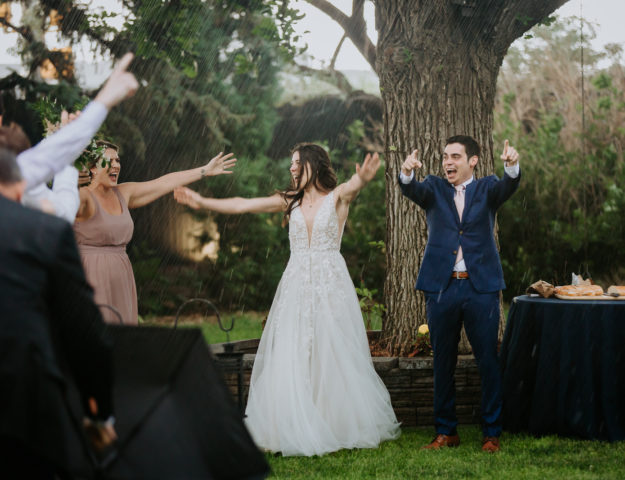
Hindu tradition welcomes rain on wedding days as a blessing. Rather than viewing inclement weather as bad luck, rain symbolizes fertility, growth, and divine blessings. This perspective offers comfort to couples planning outdoor ceremonies in monsoon seasons.
Indian Wedding Traditions and Customs
Indian weddings represent some of the world’s most elaborate and meaningful celebrations. These multi-day events weave together religious rituals, family traditions, and regional customs.
The mehendi ceremony, held days before the wedding, celebrates the bride with intricate henna application. Female family members and friends gather to apply decorative henna designs to the bride’s hands and feet, symbolizing joy, beauty, and the beginning of her journey toward marriage.
The vibrant colors of Indian weddings–particularly red and gold–hold deep significance. Red symbolizes prosperity, fertility, and auspiciousness, while gold represents wealth and purity. These colors appear throughout ceremonies, from the bride’s sari to floral decorations and ceremonial elements.
The mandap, a decorated canopy under which ceremonies occur, creates sacred space for the wedding rituals. The couple walks around the sacred fire four times, each rotation representing a different life goal: dharma (duty), artha (prosperity), kama (love), and moksha (spiritual liberation).
Jewish Wedding Traditions and Symbolism
Jewish weddings combine ancient traditions with modern celebrations, creating ceremonies rich with symbolic meaning and spiritual significance.
The ketubah, a marriage contract signed before the ceremony, represents the groom’s legal and financial obligations to his bride. This document, often beautifully illuminated with artwork, is displayed during the ceremony and treasured afterward as a reminder of commitments made.
The groom breaks a glass at the ceremony’s conclusion, symbolizing the fragility of life and marriage’s need for careful nurturing. Guests celebrate this moment with cheers of “Mazel Tov,” expressing wishes for good fortune and joy.
The chuppah, a marriage canopy, shelters the couple during their ceremony. This structure symbolizes the couple’s new home and the shelter they provide each other. Friends and family members often participate by holding the chuppah’s poles, representing community support.
Mexican and Latin American Wedding Customs
Mexican weddings celebrate love, family, and faith with vibrant traditions passed down through generations. These customs reflect indigenous heritage blended with Spanish Catholic influences.
The lasso ceremony (lazo de matrimonio) binds the couple together with a decorative cord or rope, symbolizing their unity and unbreakable bond. This beautiful ritual visually represents the joining of two lives and families.
The groom traditionally gives his bride a gift of gold coins (arras) during the ceremony, representing his commitment to provide for and protect the family. This practice emphasizes financial responsibility and partnership.
The mariachi band, an iconic element of Mexican weddings, fills celebrations with music and energy. These traditionally dressed musicians perform romantic songs during ceremonies and receptions, creating festive, joyful atmosphere.
Pre-Wedding Celebrations: Bachelor and Bachelorette Traditions
The stag party tradition originated with ancient Spartan soldiers, who held rowdy celebrations to bid farewell to their bachelor days. This practice evolved into the modern bachelor party–a cherished pre-wedding tradition where grooms celebrate with close friends.
Bachelorette parties, the female equivalent, have grown increasingly popular in recent decades. These celebrations allow brides to spend quality time with their closest friends before marriage, creating memories and strengthening bonds.
Bridal Bouquets and Flower Traditions
The bridal bouquet carries practical and symbolic significance in wedding traditions. One hundred years ago, when hygiene standards were significantly lower, brides carried fragrant bouquets to cover body odor and ensure they smelled pleasant for the ceremony.
Modern bouquets combine practical considerations with aesthetic beauty. Flowers symbolize different emotions: roses represent love, lilies symbolize purity, and orchids convey elegance. The bouquet toss, where the bride throws her bouquet to unmarried guests, supposedly brings good fortune to whoever catches it.
The “Something Old, Something New” Tradition
One of the most enduring Western wedding traditions involves the bride wearing something old, something new, something borrowed, and something blue. This rhyme encapsulates hopes for the marriage:
- Something Old: Symbolizes continuity with the past and family heritage. Many brides wear their mother’s or grandmother’s jewelry to honor family history.
- Something New: Represents the new life beginning with marriage and the couple’s fresh start together.
- Something Borrowed: Traditionally borrowed from a happily married woman, symbolizing the hope that their happiness will transfer to the new bride.
- Something Blue: Historically symbolized fidelity and loyalty. Many brides incorporate blue through garters, jewelry, or hidden dress details.
Veil Traditions Across Cultures
The bridal veil evolved from ancient Greek and Roman practices. Ancient peoples believed veils protected brides from evil spirits and negative energy. This spiritual protection transformed into a symbol of modesty, purity, and transition from maiden to wife.
Different cultures maintain distinct veil traditions. Some brides wear elaborate veils that trail dramatically behind them, while others prefer simple, elegant coverings. The veil remains one of the most recognizable bridal elements, even as styles and materials evolve.
International Wedding Superstitions and Beliefs
Wedding superstitions span the globe, each culture developing unique beliefs about luck and marriage. These traditions reveal what different societies value most in partnerships.
In England, finding a spider in your wedding dress brings good luck, representing prosperity and abundance. The Czech tradition of throwing peas at newlyweds (rather than rice) symbolizes fertility and abundance.
Egyptian weddings emphasize family support. After the ceremony, the bride’s family traditionally prepares all meals for the newlyweds’ first week, allowing them to focus on adjustment and bonding.
In South Africa, families carried fire from their separate hearths to light a new fire in the newlyweds’ home, symbolizing the joining of two families and the creation of a new household.
Modern Traditions: Reinterpreting Old Customs
Today’s couples often blend traditional ceremonies with modern sensibilities. The groom traditionally carried the bride across the threshold to protect her from evil spirits, yet contemporary couples frequently walk together over this symbolic boundary.
The practice of “giving away the bride” originated as a contract between families involving wealth transfer. Modern couples often adapt this tradition, with some brides walking themselves down the aisle or both parents accompanying them, challenging historical gender dynamics.
Contemporary wedding planning allows couples to honor traditions meaningfully while creating new customs unique to their relationship. Many incorporate elements from both partners’ cultural backgrounds, creating truly personal ceremonies.
Wedding Timeline and Important Dates
Interesting statistics reveal patterns in wedding traditions and timing. Approximately 7,000 couples marry each day in the United States. The busiest marriage and elopement days in Las Vegas are Valentine’s Day and New Year’s Eve, when couples embrace romantic traditions.
June remains the luckiest month for weddings in Western tradition, named after Juno, the Roman goddess of marriage. This historical association drives many couples to choose June ceremonies, continuing an ancient tradition into modern times.
Most Expensive Weddings in History
One of the most extravagant weddings ever recorded was the 1981 marriage of Sheik Rashid Bin Saeed Al Maktoum’s son to Princess Salama in Dubai, which cost an astounding $44 million. This celebration demonstrated how wedding traditions scale with wealth and cultural significance.
Frequently Asked Questions About Wedding Traditions
Why Do We Have Wedding Traditions?
Wedding traditions serve multiple purposes: they connect couples to their cultural heritage, provide structure for celebrations, create meaningful rituals, and unite families and communities. These customs offer comfort through familiarity while marking a significant life transition.
Can I Mix Traditions from Different Cultures?
Absolutely. Modern couples increasingly blend traditions from multiple cultural backgrounds, creating ceremonies that authentically represent their identities and values. This approach honors different heritages while creating something uniquely personal. Consider consulting with family members about meaningful traditions and finding creative ways to incorporate them meaningfully.
What If I Don’t Want Traditional Elements in My Wedding?
Your wedding should reflect your values and preferences. Some couples choose completely non-traditional ceremonies that break from convention entirely. Others select specific traditional elements that resonate personally while omitting others. The key is intentionality–choosing elements because they matter to you, not simply because they’re expected.
Are Wedding Superstitions Based on Reality?
Wedding superstitions reflect cultural values and hopes rather than scientific fact. Whether rain brings luck or Saturday weddings are unlucky matters less than understanding what these traditions represent. Many couples find meaning and comfort in superstitions regardless of their empirical validity.
How Do I Respectfully Incorporate Unfamiliar Traditions?
If including traditions from cultures outside your immediate background, research thoroughly and approach with respect. Consult with people from that culture, understand the symbolism, and seek permission before incorporating sacred or significant rituals. This ensures authentic representation rather than cultural appropriation.
Planning Your Wedding With Tradition in Mind
Whether you’re planning an intimate ceremony or grand celebration, understanding wedding traditions enriches your special day. Consider which customs resonate with your values and which feel authentic to your relationship.
From the white dress to the exchange of rings, from cake cutting to bouquet toss, each tradition carries centuries of meaning. Your wedding is an opportunity to honor heritage while creating new memories and potentially establishing traditions for your own children someday.
At From the Hip Photo, we understand the importance of capturing these meaningful moments. Whether your ceremony honors ancient traditions or forges new paths, our photography preserves the emotions, details, and joy of your celebration.
Explore Our Wedding Photography Services
Every couple’s story is unique. Browse our wedding portfolio to see how we capture different traditions and celebrations. From cultural ceremonies to modern celebrations, we provide photography that honors what matters most to your special day.
Interested in learning more about wedding venues? Check out our venue guides and photography tips to inspire your planning.
Explore More From the Blog
- Planning Your Dream Wedding
- Second Photographer Benefits
- Dunafon Castle Wedding
- Natural Photo Prompts

In the United States alone, seventeen tons of gold become wedding rings each year, demonstrating the economic significance of this tradition. The engagement ring tradition has royal roots–Princess Mary, daughter of Henry VIII, received an engagement ring at just two years old, making her the youngest person to receive this honor.
Pearl engagement rings hold special significance in wedding traditions. The pearl’s shape, resembling a tear, symbolizes luck and emotional depth in the marriage journey. These lustrous gems offer an elegant alternative to traditional diamond rings while maintaining symbolic power.
Wedding Cake Traditions and Their Origins
The wedding cake tradition dates back to ancient Rome, where revelers broke bread over a bride’s head to ensure fertility and abundance. This practical fertility ritual evolved into the elegant, decorative centerpiece we know today.
Tiered wedding cakes emerged from a charming game: the bride and groom attempted to kiss over an increasingly tall cake without knocking it over. This playful tradition became visual tradition, with tiers symbolizing layers of commitment and partnership.
Queen Victoria’s wedding cake weighed 300 pounds–an astonishing feat of culinary engineering for the 19th century. This extravagant display of the cake’s importance established it as a crucial centerpiece of wedding celebrations. Today’s wedding cakes range from minimalist designs to elaborate architectural creations, each reflecting the couple’s personality.
Asian Wedding Traditions: Bringing Good Fortune
Asian cultures have developed rich wedding traditions that emphasize luck, prosperity, and family unity. These customs carry philosophical significance rooted in centuries of cultural practice.
In Japan, white has long been the color of choice for bridal ensembles–predating Queen Victoria’s popularization of white dresses in the Western world by centuries. White symbolized purity and spiritual preparation for marriage. Traditional Japanese brides wear the shiro-muku, a white kimono representing the transition into married life.
Chinese culture emphasizes numerology in wedding planning. The Chinese consider dates including the numbers 8 and 9 to be fortunate–getting married on these dates apparently brings long-lasting wealth and prosperity. Many Chinese couples carefully select wedding dates based on astrological calculations and numerical significance.
Hindu tradition welcomes rain on wedding days as a blessing. Rather than viewing inclement weather as bad luck, rain symbolizes fertility, growth, and divine blessings. This perspective offers comfort to couples planning outdoor ceremonies in monsoon seasons.
Indian Wedding Traditions and Customs
Indian weddings represent some of the world’s most elaborate and meaningful celebrations. These multi-day events weave together religious rituals, family traditions, and regional customs.
The mehendi ceremony, held days before the wedding, celebrates the bride with intricate henna application. Female family members and friends gather to apply decorative henna designs to the bride’s hands and feet, symbolizing joy, beauty, and the beginning of her journey toward marriage.
The vibrant colors of Indian weddings–particularly red and gold–hold deep significance. Red symbolizes prosperity, fertility, and auspiciousness, while gold represents wealth and purity. These colors appear throughout ceremonies, from the bride’s sari to floral decorations and ceremonial elements.
The mandap, a decorated canopy under which ceremonies occur, creates sacred space for the wedding rituals. The couple walks around the sacred fire four times, each rotation representing a different life goal: dharma (duty), artha (prosperity), kama (love), and moksha (spiritual liberation).
Jewish Wedding Traditions and Symbolism
Jewish weddings combine ancient traditions with modern celebrations, creating ceremonies rich with symbolic meaning and spiritual significance.
The ketubah, a marriage contract signed before the ceremony, represents the groom’s legal and financial obligations to his bride. This document, often beautifully illuminated with artwork, is displayed during the ceremony and treasured afterward as a reminder of commitments made.
The groom breaks a glass at the ceremony’s conclusion, symbolizing the fragility of life and marriage’s need for careful nurturing. Guests celebrate this moment with cheers of “Mazel Tov,” expressing wishes for good fortune and joy.
The chuppah, a marriage canopy, shelters the couple during their ceremony. This structure symbolizes the couple’s new home and the shelter they provide each other. Friends and family members often participate by holding the chuppah’s poles, representing community support.
Mexican and Latin American Wedding Customs
Mexican weddings celebrate love, family, and faith with vibrant traditions passed down through generations. These customs reflect indigenous heritage blended with Spanish Catholic influences.
The lasso ceremony (lazo de matrimonio) binds the couple together with a decorative cord or rope, symbolizing their unity and unbreakable bond. This beautiful ritual visually represents the joining of two lives and families.
The groom traditionally gives his bride a gift of gold coins (arras) during the ceremony, representing his commitment to provide for and protect the family. This practice emphasizes financial responsibility and partnership.
The mariachi band, an iconic element of Mexican weddings, fills celebrations with music and energy. These traditionally dressed musicians perform romantic songs during ceremonies and receptions, creating festive, joyful atmosphere.
Pre-Wedding Celebrations: Bachelor and Bachelorette Traditions
The stag party tradition originated with ancient Spartan soldiers, who held rowdy celebrations to bid farewell to their bachelor days. This practice evolved into the modern bachelor party–a cherished pre-wedding tradition where grooms celebrate with close friends.
Bachelorette parties, the female equivalent, have grown increasingly popular in recent decades. These celebrations allow brides to spend quality time with their closest friends before marriage, creating memories and strengthening bonds.
Bridal Bouquets and Flower Traditions
The bridal bouquet carries practical and symbolic significance in wedding traditions. One hundred years ago, when hygiene standards were significantly lower, brides carried fragrant bouquets to cover body odor and ensure they smelled pleasant for the ceremony.
Modern bouquets combine practical considerations with aesthetic beauty. Flowers symbolize different emotions: roses represent love, lilies symbolize purity, and orchids convey elegance. The bouquet toss, where the bride throws her bouquet to unmarried guests, supposedly brings good fortune to whoever catches it.
The “Something Old, Something New” Tradition
One of the most enduring Western wedding traditions involves the bride wearing something old, something new, something borrowed, and something blue. This rhyme encapsulates hopes for the marriage:
- Something Old: Symbolizes continuity with the past and family heritage. Many brides wear their mother’s or grandmother’s jewelry to honor family history.
- Something New: Represents the new life beginning with marriage and the couple’s fresh start together.
- Something Borrowed: Traditionally borrowed from a happily married woman, symbolizing the hope that their happiness will transfer to the new bride.
- Something Blue: Historically symbolized fidelity and loyalty. Many brides incorporate blue through garters, jewelry, or hidden dress details.
Veil Traditions Across Cultures
The bridal veil evolved from ancient Greek and Roman practices. Ancient peoples believed veils protected brides from evil spirits and negative energy. This spiritual protection transformed into a symbol of modesty, purity, and transition from maiden to wife.
Different cultures maintain distinct veil traditions. Some brides wear elaborate veils that trail dramatically behind them, while others prefer simple, elegant coverings. The veil remains one of the most recognizable bridal elements, even as styles and materials evolve.
International Wedding Superstitions and Beliefs
Wedding superstitions span the globe, each culture developing unique beliefs about luck and marriage. These traditions reveal what different societies value most in partnerships.
In England, finding a spider in your wedding dress brings good luck, representing prosperity and abundance. The Czech tradition of throwing peas at newlyweds (rather than rice) symbolizes fertility and abundance.
Egyptian weddings emphasize family support. After the ceremony, the bride’s family traditionally prepares all meals for the newlyweds’ first week, allowing them to focus on adjustment and bonding.
In South Africa, families carried fire from their separate hearths to light a new fire in the newlyweds’ home, symbolizing the joining of two families and the creation of a new household.
Modern Traditions: Reinterpreting Old Customs
Today’s couples often blend traditional ceremonies with modern sensibilities. The groom traditionally carried the bride across the threshold to protect her from evil spirits, yet contemporary couples frequently walk together over this symbolic boundary.
The practice of “giving away the bride” originated as a contract between families involving wealth transfer. Modern couples often adapt this tradition, with some brides walking themselves down the aisle or both parents accompanying them, challenging historical gender dynamics.
Contemporary wedding planning allows couples to honor traditions meaningfully while creating new customs unique to their relationship. Many incorporate elements from both partners’ cultural backgrounds, creating truly personal ceremonies.
Wedding Timeline and Important Dates
Interesting statistics reveal patterns in wedding traditions and timing. Approximately 7,000 couples marry each day in the United States. The busiest marriage and elopement days in Las Vegas are Valentine’s Day and New Year’s Eve, when couples embrace romantic traditions.
June remains the luckiest month for weddings in Western tradition, named after Juno, the Roman goddess of marriage. This historical association drives many couples to choose June ceremonies, continuing an ancient tradition into modern times.
Most Expensive Weddings in History
One of the most extravagant weddings ever recorded was the 1981 marriage of Sheik Rashid Bin Saeed Al Maktoum’s son to Princess Salama in Dubai, which cost an astounding $44 million. This celebration demonstrated how wedding traditions scale with wealth and cultural significance.
Frequently Asked Questions About Wedding Traditions
Why Do We Have Wedding Traditions?
Wedding traditions serve multiple purposes: they connect couples to their cultural heritage, provide structure for celebrations, create meaningful rituals, and unite families and communities. These customs offer comfort through familiarity while marking a significant life transition.
Can I Mix Traditions from Different Cultures?
Absolutely. Modern couples increasingly blend traditions from multiple cultural backgrounds, creating ceremonies that authentically represent their identities and values. This approach honors different heritages while creating something uniquely personal. Consider consulting with family members about meaningful traditions and finding creative ways to incorporate them meaningfully.
What If I Don’t Want Traditional Elements in My Wedding?
Your wedding should reflect your values and preferences. Some couples choose completely non-traditional ceremonies that break from convention entirely. Others select specific traditional elements that resonate personally while omitting others. The key is intentionality–choosing elements because they matter to you, not simply because they’re expected.
Are Wedding Superstitions Based on Reality?
Wedding superstitions reflect cultural values and hopes rather than scientific fact. Whether rain brings luck or Saturday weddings are unlucky matters less than understanding what these traditions represent. Many couples find meaning and comfort in superstitions regardless of their empirical validity.
How Do I Respectfully Incorporate Unfamiliar Traditions?
If including traditions from cultures outside your immediate background, research thoroughly and approach with respect. Consult with people from that culture, understand the symbolism, and seek permission before incorporating sacred or significant rituals. This ensures authentic representation rather than cultural appropriation.
Planning Your Wedding With Tradition in Mind
Whether you’re planning an intimate ceremony or grand celebration, understanding wedding traditions enriches your special day. Consider which customs resonate with your values and which feel authentic to your relationship.
From the white dress to the exchange of rings, from cake cutting to bouquet toss, each tradition carries centuries of meaning. Your wedding is an opportunity to honor heritage while creating new memories and potentially establishing traditions for your own children someday.
At From the Hip Photo, we understand the importance of capturing these meaningful moments. Whether your ceremony honors ancient traditions or forges new paths, our photography preserves the emotions, details, and joy of your celebration.
Explore Our Wedding Photography Services
Every couple’s story is unique. Browse our wedding portfolio to see how we capture different traditions and celebrations. From cultural ceremonies to modern celebrations, we provide photography that honors what matters most to your special day.
Interested in learning more about wedding venues? Check out our venue guides and photography tips to inspire your planning.
Explore More From the Blog
- Planning Your Dream Wedding
- Second Photographer Benefits
- Dunafon Castle Wedding
- Natural Photo Prompts

The white wedding dress tradition began in 1840 when Queen Victoria wore white to marry Prince Albert. Before this pivotal moment, brides simply wore their finest dress, regardless of color. Queen Victoria’s choice normalized white as a symbol of purity and became the standard for Western brides for centuries to come. Today, white wedding dresses remain iconic, though modern brides increasingly choose colors that reflect their personal style.
English folklore suggests Wednesday is the “best day” to marry, though English tradition simultaneously claims Saturday is the unluckiest day for weddings. Ironically, Saturday remains the most popular wedding day of the week. This contradiction reveals how traditions evolve and sometimes contradict themselves over time.
The tradition of carrying the bride across the threshold originated as protection from evil spirits lurking below. In ancient times, grooms needed their right hands free to fight off rival suitors during Christian ceremonies, which is why brides stand to the groom’s left. These practical considerations transformed into symbolic gestures that persist today.
The Symbolism of Wedding Rings and Jewelry
Wedding rings carry profound symbolic meaning across cultures. The most popular placement–the fourth finger of the left hand–originated from a belief that a vein in this finger, called the “vein of love,” led directly to the heart. While anatomically untrue, this romantic notion persists and influences wedding customs worldwide.
In the United States alone, seventeen tons of gold become wedding rings each year, demonstrating the economic significance of this tradition. The engagement ring tradition has royal roots–Princess Mary, daughter of Henry VIII, received an engagement ring at just two years old, making her the youngest person to receive this honor.
Pearl engagement rings hold special significance in wedding traditions. The pearl’s shape, resembling a tear, symbolizes luck and emotional depth in the marriage journey. These lustrous gems offer an elegant alternative to traditional diamond rings while maintaining symbolic power.
Wedding Cake Traditions and Their Origins
The wedding cake tradition dates back to ancient Rome, where revelers broke bread over a bride’s head to ensure fertility and abundance. This practical fertility ritual evolved into the elegant, decorative centerpiece we know today.
Tiered wedding cakes emerged from a charming game: the bride and groom attempted to kiss over an increasingly tall cake without knocking it over. This playful tradition became visual tradition, with tiers symbolizing layers of commitment and partnership.
Queen Victoria’s wedding cake weighed 300 pounds–an astonishing feat of culinary engineering for the 19th century. This extravagant display of the cake’s importance established it as a crucial centerpiece of wedding celebrations. Today’s wedding cakes range from minimalist designs to elaborate architectural creations, each reflecting the couple’s personality.
Asian Wedding Traditions: Bringing Good Fortune
Asian cultures have developed rich wedding traditions that emphasize luck, prosperity, and family unity. These customs carry philosophical significance rooted in centuries of cultural practice.
In Japan, white has long been the color of choice for bridal ensembles–predating Queen Victoria’s popularization of white dresses in the Western world by centuries. White symbolized purity and spiritual preparation for marriage. Traditional Japanese brides wear the shiro-muku, a white kimono representing the transition into married life.
Chinese culture emphasizes numerology in wedding planning. The Chinese consider dates including the numbers 8 and 9 to be fortunate–getting married on these dates apparently brings long-lasting wealth and prosperity. Many Chinese couples carefully select wedding dates based on astrological calculations and numerical significance.
Hindu tradition welcomes rain on wedding days as a blessing. Rather than viewing inclement weather as bad luck, rain symbolizes fertility, growth, and divine blessings. This perspective offers comfort to couples planning outdoor ceremonies in monsoon seasons.
Indian Wedding Traditions and Customs
Indian weddings represent some of the world’s most elaborate and meaningful celebrations. These multi-day events weave together religious rituals, family traditions, and regional customs.
The mehendi ceremony, held days before the wedding, celebrates the bride with intricate henna application. Female family members and friends gather to apply decorative henna designs to the bride’s hands and feet, symbolizing joy, beauty, and the beginning of her journey toward marriage.
The vibrant colors of Indian weddings–particularly red and gold–hold deep significance. Red symbolizes prosperity, fertility, and auspiciousness, while gold represents wealth and purity. These colors appear throughout ceremonies, from the bride’s sari to floral decorations and ceremonial elements.
The mandap, a decorated canopy under which ceremonies occur, creates sacred space for the wedding rituals. The couple walks around the sacred fire four times, each rotation representing a different life goal: dharma (duty), artha (prosperity), kama (love), and moksha (spiritual liberation).
Jewish Wedding Traditions and Symbolism
Jewish weddings combine ancient traditions with modern celebrations, creating ceremonies rich with symbolic meaning and spiritual significance.
The ketubah, a marriage contract signed before the ceremony, represents the groom’s legal and financial obligations to his bride. This document, often beautifully illuminated with artwork, is displayed during the ceremony and treasured afterward as a reminder of commitments made.
The groom breaks a glass at the ceremony’s conclusion, symbolizing the fragility of life and marriage’s need for careful nurturing. Guests celebrate this moment with cheers of “Mazel Tov,” expressing wishes for good fortune and joy.
The chuppah, a marriage canopy, shelters the couple during their ceremony. This structure symbolizes the couple’s new home and the shelter they provide each other. Friends and family members often participate by holding the chuppah’s poles, representing community support.
Mexican and Latin American Wedding Customs
Mexican weddings celebrate love, family, and faith with vibrant traditions passed down through generations. These customs reflect indigenous heritage blended with Spanish Catholic influences.
The lasso ceremony (lazo de matrimonio) binds the couple together with a decorative cord or rope, symbolizing their unity and unbreakable bond. This beautiful ritual visually represents the joining of two lives and families.
The groom traditionally gives his bride a gift of gold coins (arras) during the ceremony, representing his commitment to provide for and protect the family. This practice emphasizes financial responsibility and partnership.
The mariachi band, an iconic element of Mexican weddings, fills celebrations with music and energy. These traditionally dressed musicians perform romantic songs during ceremonies and receptions, creating festive, joyful atmosphere.
Pre-Wedding Celebrations: Bachelor and Bachelorette Traditions
The stag party tradition originated with ancient Spartan soldiers, who held rowdy celebrations to bid farewell to their bachelor days. This practice evolved into the modern bachelor party–a cherished pre-wedding tradition where grooms celebrate with close friends.
Bachelorette parties, the female equivalent, have grown increasingly popular in recent decades. These celebrations allow brides to spend quality time with their closest friends before marriage, creating memories and strengthening bonds.
Bridal Bouquets and Flower Traditions
The bridal bouquet carries practical and symbolic significance in wedding traditions. One hundred years ago, when hygiene standards were significantly lower, brides carried fragrant bouquets to cover body odor and ensure they smelled pleasant for the ceremony.
Modern bouquets combine practical considerations with aesthetic beauty. Flowers symbolize different emotions: roses represent love, lilies symbolize purity, and orchids convey elegance. The bouquet toss, where the bride throws her bouquet to unmarried guests, supposedly brings good fortune to whoever catches it.
The “Something Old, Something New” Tradition
One of the most enduring Western wedding traditions involves the bride wearing something old, something new, something borrowed, and something blue. This rhyme encapsulates hopes for the marriage:
- Something Old: Symbolizes continuity with the past and family heritage. Many brides wear their mother’s or grandmother’s jewelry to honor family history.
- Something New: Represents the new life beginning with marriage and the couple’s fresh start together.
- Something Borrowed: Traditionally borrowed from a happily married woman, symbolizing the hope that their happiness will transfer to the new bride.
- Something Blue: Historically symbolized fidelity and loyalty. Many brides incorporate blue through garters, jewelry, or hidden dress details.
Veil Traditions Across Cultures
The bridal veil evolved from ancient Greek and Roman practices. Ancient peoples believed veils protected brides from evil spirits and negative energy. This spiritual protection transformed into a symbol of modesty, purity, and transition from maiden to wife.
Different cultures maintain distinct veil traditions. Some brides wear elaborate veils that trail dramatically behind them, while others prefer simple, elegant coverings. The veil remains one of the most recognizable bridal elements, even as styles and materials evolve.
International Wedding Superstitions and Beliefs
Wedding superstitions span the globe, each culture developing unique beliefs about luck and marriage. These traditions reveal what different societies value most in partnerships.
In England, finding a spider in your wedding dress brings good luck, representing prosperity and abundance. The Czech tradition of throwing peas at newlyweds (rather than rice) symbolizes fertility and abundance.
Egyptian weddings emphasize family support. After the ceremony, the bride’s family traditionally prepares all meals for the newlyweds’ first week, allowing them to focus on adjustment and bonding.
In South Africa, families carried fire from their separate hearths to light a new fire in the newlyweds’ home, symbolizing the joining of two families and the creation of a new household.
Modern Traditions: Reinterpreting Old Customs
Today’s couples often blend traditional ceremonies with modern sensibilities. The groom traditionally carried the bride across the threshold to protect her from evil spirits, yet contemporary couples frequently walk together over this symbolic boundary.
The practice of “giving away the bride” originated as a contract between families involving wealth transfer. Modern couples often adapt this tradition, with some brides walking themselves down the aisle or both parents accompanying them, challenging historical gender dynamics.
Contemporary wedding planning allows couples to honor traditions meaningfully while creating new customs unique to their relationship. Many incorporate elements from both partners’ cultural backgrounds, creating truly personal ceremonies.
Wedding Timeline and Important Dates
Interesting statistics reveal patterns in wedding traditions and timing. Approximately 7,000 couples marry each day in the United States. The busiest marriage and elopement days in Las Vegas are Valentine’s Day and New Year’s Eve, when couples embrace romantic traditions.
June remains the luckiest month for weddings in Western tradition, named after Juno, the Roman goddess of marriage. This historical association drives many couples to choose June ceremonies, continuing an ancient tradition into modern times.
Most Expensive Weddings in History
One of the most extravagant weddings ever recorded was the 1981 marriage of Sheik Rashid Bin Saeed Al Maktoum’s son to Princess Salama in Dubai, which cost an astounding $44 million. This celebration demonstrated how wedding traditions scale with wealth and cultural significance.
Frequently Asked Questions About Wedding Traditions
Why Do We Have Wedding Traditions?
Wedding traditions serve multiple purposes: they connect couples to their cultural heritage, provide structure for celebrations, create meaningful rituals, and unite families and communities. These customs offer comfort through familiarity while marking a significant life transition.
Can I Mix Traditions from Different Cultures?
Absolutely. Modern couples increasingly blend traditions from multiple cultural backgrounds, creating ceremonies that authentically represent their identities and values. This approach honors different heritages while creating something uniquely personal. Consider consulting with family members about meaningful traditions and finding creative ways to incorporate them meaningfully.
What If I Don’t Want Traditional Elements in My Wedding?
Your wedding should reflect your values and preferences. Some couples choose completely non-traditional ceremonies that break from convention entirely. Others select specific traditional elements that resonate personally while omitting others. The key is intentionality–choosing elements because they matter to you, not simply because they’re expected.
Are Wedding Superstitions Based on Reality?
Wedding superstitions reflect cultural values and hopes rather than scientific fact. Whether rain brings luck or Saturday weddings are unlucky matters less than understanding what these traditions represent. Many couples find meaning and comfort in superstitions regardless of their empirical validity.
How Do I Respectfully Incorporate Unfamiliar Traditions?
If including traditions from cultures outside your immediate background, research thoroughly and approach with respect. Consult with people from that culture, understand the symbolism, and seek permission before incorporating sacred or significant rituals. This ensures authentic representation rather than cultural appropriation.
Planning Your Wedding With Tradition in Mind
Whether you’re planning an intimate ceremony or grand celebration, understanding wedding traditions enriches your special day. Consider which customs resonate with your values and which feel authentic to your relationship.
From the white dress to the exchange of rings, from cake cutting to bouquet toss, each tradition carries centuries of meaning. Your wedding is an opportunity to honor heritage while creating new memories and potentially establishing traditions for your own children someday.
At From the Hip Photo, we understand the importance of capturing these meaningful moments. Whether your ceremony honors ancient traditions or forges new paths, our photography preserves the emotions, details, and joy of your celebration.
Explore Our Wedding Photography Services
Every couple’s story is unique. Browse our wedding portfolio to see how we capture different traditions and celebrations. From cultural ceremonies to modern celebrations, we provide photography that honors what matters most to your special day.
Interested in learning more about wedding venues? Check out our venue guides and photography tips to inspire your planning.
Explore More From the Blog
- Planning Your Dream Wedding
- Second Photographer Benefits
- Dunafon Castle Wedding
- Natural Photo Prompts
Marriage traditions span millennia and cultures across the globe. From Western white wedding dresses to Eastern red ceremonies, wedding customs tell stories of history, spirituality, and family heritage. Whether you’re planning your own wedding or simply fascinated by cultural rituals, understanding these traditions adds depth and meaning to one of life’s most celebrated moments.
European Wedding Traditions and Superstitions
European wedding traditions form the foundation of many modern Western ceremonies. These customs, developed over centuries, carry symbolic meaning that couples still honor today.
The white wedding dress tradition began in 1840 when Queen Victoria wore white to marry Prince Albert. Before this pivotal moment, brides simply wore their finest dress, regardless of color. Queen Victoria’s choice normalized white as a symbol of purity and became the standard for Western brides for centuries to come. Today, white wedding dresses remain iconic, though modern brides increasingly choose colors that reflect their personal style.
English folklore suggests Wednesday is the “best day” to marry, though English tradition simultaneously claims Saturday is the unluckiest day for weddings. Ironically, Saturday remains the most popular wedding day of the week. This contradiction reveals how traditions evolve and sometimes contradict themselves over time.
The tradition of carrying the bride across the threshold originated as protection from evil spirits lurking below. In ancient times, grooms needed their right hands free to fight off rival suitors during Christian ceremonies, which is why brides stand to the groom’s left. These practical considerations transformed into symbolic gestures that persist today.
The Symbolism of Wedding Rings and Jewelry
Wedding rings carry profound symbolic meaning across cultures. The most popular placement–the fourth finger of the left hand–originated from a belief that a vein in this finger, called the “vein of love,” led directly to the heart. While anatomically untrue, this romantic notion persists and influences wedding customs worldwide.
In the United States alone, seventeen tons of gold become wedding rings each year, demonstrating the economic significance of this tradition. The engagement ring tradition has royal roots–Princess Mary, daughter of Henry VIII, received an engagement ring at just two years old, making her the youngest person to receive this honor.
Pearl engagement rings hold special significance in wedding traditions. The pearl’s shape, resembling a tear, symbolizes luck and emotional depth in the marriage journey. These lustrous gems offer an elegant alternative to traditional diamond rings while maintaining symbolic power.
Wedding Cake Traditions and Their Origins
The wedding cake tradition dates back to ancient Rome, where revelers broke bread over a bride’s head to ensure fertility and abundance. This practical fertility ritual evolved into the elegant, decorative centerpiece we know today.
Tiered wedding cakes emerged from a charming game: the bride and groom attempted to kiss over an increasingly tall cake without knocking it over. This playful tradition became visual tradition, with tiers symbolizing layers of commitment and partnership.
Queen Victoria’s wedding cake weighed 300 pounds–an astonishing feat of culinary engineering for the 19th century. This extravagant display of the cake’s importance established it as a crucial centerpiece of wedding celebrations. Today’s wedding cakes range from minimalist designs to elaborate architectural creations, each reflecting the couple’s personality.
Asian Wedding Traditions: Bringing Good Fortune
Asian cultures have developed rich wedding traditions that emphasize luck, prosperity, and family unity. These customs carry philosophical significance rooted in centuries of cultural practice.
In Japan, white has long been the color of choice for bridal ensembles–predating Queen Victoria’s popularization of white dresses in the Western world by centuries. White symbolized purity and spiritual preparation for marriage. Traditional Japanese brides wear the shiro-muku, a white kimono representing the transition into married life.
Chinese culture emphasizes numerology in wedding planning. The Chinese consider dates including the numbers 8 and 9 to be fortunate–getting married on these dates apparently brings long-lasting wealth and prosperity. Many Chinese couples carefully select wedding dates based on astrological calculations and numerical significance.
Hindu tradition welcomes rain on wedding days as a blessing. Rather than viewing inclement weather as bad luck, rain symbolizes fertility, growth, and divine blessings. This perspective offers comfort to couples planning outdoor ceremonies in monsoon seasons.
Indian Wedding Traditions and Customs
Indian weddings represent some of the world’s most elaborate and meaningful celebrations. These multi-day events weave together religious rituals, family traditions, and regional customs.
The mehendi ceremony, held days before the wedding, celebrates the bride with intricate henna application. Female family members and friends gather to apply decorative henna designs to the bride’s hands and feet, symbolizing joy, beauty, and the beginning of her journey toward marriage.
The vibrant colors of Indian weddings–particularly red and gold–hold deep significance. Red symbolizes prosperity, fertility, and auspiciousness, while gold represents wealth and purity. These colors appear throughout ceremonies, from the bride’s sari to floral decorations and ceremonial elements.
The mandap, a decorated canopy under which ceremonies occur, creates sacred space for the wedding rituals. The couple walks around the sacred fire four times, each rotation representing a different life goal: dharma (duty), artha (prosperity), kama (love), and moksha (spiritual liberation).
Jewish Wedding Traditions and Symbolism
Jewish weddings combine ancient traditions with modern celebrations, creating ceremonies rich with symbolic meaning and spiritual significance.
The ketubah, a marriage contract signed before the ceremony, represents the groom’s legal and financial obligations to his bride. This document, often beautifully illuminated with artwork, is displayed during the ceremony and treasured afterward as a reminder of commitments made.
The groom breaks a glass at the ceremony’s conclusion, symbolizing the fragility of life and marriage’s need for careful nurturing. Guests celebrate this moment with cheers of “Mazel Tov,” expressing wishes for good fortune and joy.
The chuppah, a marriage canopy, shelters the couple during their ceremony. This structure symbolizes the couple’s new home and the shelter they provide each other. Friends and family members often participate by holding the chuppah’s poles, representing community support.
Mexican and Latin American Wedding Customs
Mexican weddings celebrate love, family, and faith with vibrant traditions passed down through generations. These customs reflect indigenous heritage blended with Spanish Catholic influences.
The lasso ceremony (lazo de matrimonio) binds the couple together with a decorative cord or rope, symbolizing their unity and unbreakable bond. This beautiful ritual visually represents the joining of two lives and families.
The groom traditionally gives his bride a gift of gold coins (arras) during the ceremony, representing his commitment to provide for and protect the family. This practice emphasizes financial responsibility and partnership.
The mariachi band, an iconic element of Mexican weddings, fills celebrations with music and energy. These traditionally dressed musicians perform romantic songs during ceremonies and receptions, creating festive, joyful atmosphere.
Pre-Wedding Celebrations: Bachelor and Bachelorette Traditions
The stag party tradition originated with ancient Spartan soldiers, who held rowdy celebrations to bid farewell to their bachelor days. This practice evolved into the modern bachelor party–a cherished pre-wedding tradition where grooms celebrate with close friends.
Bachelorette parties, the female equivalent, have grown increasingly popular in recent decades. These celebrations allow brides to spend quality time with their closest friends before marriage, creating memories and strengthening bonds.
Bridal Bouquets and Flower Traditions
The bridal bouquet carries practical and symbolic significance in wedding traditions. One hundred years ago, when hygiene standards were significantly lower, brides carried fragrant bouquets to cover body odor and ensure they smelled pleasant for the ceremony.
Modern bouquets combine practical considerations with aesthetic beauty. Flowers symbolize different emotions: roses represent love, lilies symbolize purity, and orchids convey elegance. The bouquet toss, where the bride throws her bouquet to unmarried guests, supposedly brings good fortune to whoever catches it.
The “Something Old, Something New” Tradition
One of the most enduring Western wedding traditions involves the bride wearing something old, something new, something borrowed, and something blue. This rhyme encapsulates hopes for the marriage:
- Something Old: Symbolizes continuity with the past and family heritage. Many brides wear their mother’s or grandmother’s jewelry to honor family history.
- Something New: Represents the new life beginning with marriage and the couple’s fresh start together.
- Something Borrowed: Traditionally borrowed from a happily married woman, symbolizing the hope that their happiness will transfer to the new bride.
- Something Blue: Historically symbolized fidelity and loyalty. Many brides incorporate blue through garters, jewelry, or hidden dress details.
Veil Traditions Across Cultures
The bridal veil evolved from ancient Greek and Roman practices. Ancient peoples believed veils protected brides from evil spirits and negative energy. This spiritual protection transformed into a symbol of modesty, purity, and transition from maiden to wife.
Different cultures maintain distinct veil traditions. Some brides wear elaborate veils that trail dramatically behind them, while others prefer simple, elegant coverings. The veil remains one of the most recognizable bridal elements, even as styles and materials evolve.
International Wedding Superstitions and Beliefs
Wedding superstitions span the globe, each culture developing unique beliefs about luck and marriage. These traditions reveal what different societies value most in partnerships.
In England, finding a spider in your wedding dress brings good luck, representing prosperity and abundance. The Czech tradition of throwing peas at newlyweds (rather than rice) symbolizes fertility and abundance.
Egyptian weddings emphasize family support. After the ceremony, the bride’s family traditionally prepares all meals for the newlyweds’ first week, allowing them to focus on adjustment and bonding.
In South Africa, families carried fire from their separate hearths to light a new fire in the newlyweds’ home, symbolizing the joining of two families and the creation of a new household.
Modern Traditions: Reinterpreting Old Customs
Today’s couples often blend traditional ceremonies with modern sensibilities. The groom traditionally carried the bride across the threshold to protect her from evil spirits, yet contemporary couples frequently walk together over this symbolic boundary.
The practice of “giving away the bride” originated as a contract between families involving wealth transfer. Modern couples often adapt this tradition, with some brides walking themselves down the aisle or both parents accompanying them, challenging historical gender dynamics.
Contemporary wedding planning allows couples to honor traditions meaningfully while creating new customs unique to their relationship. Many incorporate elements from both partners’ cultural backgrounds, creating truly personal ceremonies.
Wedding Timeline and Important Dates
Interesting statistics reveal patterns in wedding traditions and timing. Approximately 7,000 couples marry each day in the United States. The busiest marriage and elopement days in Las Vegas are Valentine’s Day and New Year’s Eve, when couples embrace romantic traditions.
June remains the luckiest month for weddings in Western tradition, named after Juno, the Roman goddess of marriage. This historical association drives many couples to choose June ceremonies, continuing an ancient tradition into modern times.
Most Expensive Weddings in History
One of the most extravagant weddings ever recorded was the 1981 marriage of Sheik Rashid Bin Saeed Al Maktoum’s son to Princess Salama in Dubai, which cost an astounding $44 million. This celebration demonstrated how wedding traditions scale with wealth and cultural significance.
Frequently Asked Questions About Wedding Traditions
Why Do We Have Wedding Traditions?
Wedding traditions serve multiple purposes: they connect couples to their cultural heritage, provide structure for celebrations, create meaningful rituals, and unite families and communities. These customs offer comfort through familiarity while marking a significant life transition.
Can I Mix Traditions from Different Cultures?
Absolutely. Modern couples increasingly blend traditions from multiple cultural backgrounds, creating ceremonies that authentically represent their identities and values. This approach honors different heritages while creating something uniquely personal. Consider consulting with family members about meaningful traditions and finding creative ways to incorporate them meaningfully.
What If I Don’t Want Traditional Elements in My Wedding?
Your wedding should reflect your values and preferences. Some couples choose completely non-traditional ceremonies that break from convention entirely. Others select specific traditional elements that resonate personally while omitting others. The key is intentionality–choosing elements because they matter to you, not simply because they’re expected.
Are Wedding Superstitions Based on Reality?
Wedding superstitions reflect cultural values and hopes rather than scientific fact. Whether rain brings luck or Saturday weddings are unlucky matters less than understanding what these traditions represent. Many couples find meaning and comfort in superstitions regardless of their empirical validity.
How Do I Respectfully Incorporate Unfamiliar Traditions?
If including traditions from cultures outside your immediate background, research thoroughly and approach with respect. Consult with people from that culture, understand the symbolism, and seek permission before incorporating sacred or significant rituals. This ensures authentic representation rather than cultural appropriation.
Planning Your Wedding With Tradition in Mind
Whether you’re planning an intimate ceremony or grand celebration, understanding wedding traditions enriches your special day. Consider which customs resonate with your values and which feel authentic to your relationship.
From the white dress to the exchange of rings, from cake cutting to bouquet toss, each tradition carries centuries of meaning. Your wedding is an opportunity to honor heritage while creating new memories and potentially establishing traditions for your own children someday.
At From the Hip Photo, we understand the importance of capturing these meaningful moments. Whether your ceremony honors ancient traditions or forges new paths, our photography preserves the emotions, details, and joy of your celebration.
Explore Our Wedding Photography Services
Every couple’s story is unique. Browse our wedding portfolio to see how we capture different traditions and celebrations. From cultural ceremonies to modern celebrations, we provide photography that honors what matters most to your special day.
Interested in learning more about wedding venues? Check out our venue guides and photography tips to inspire your planning.