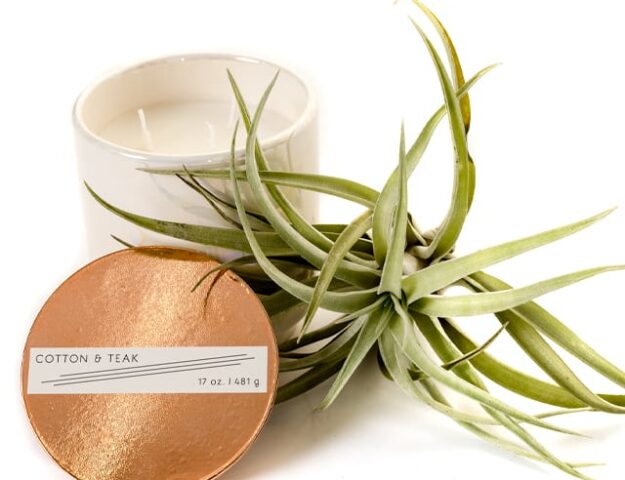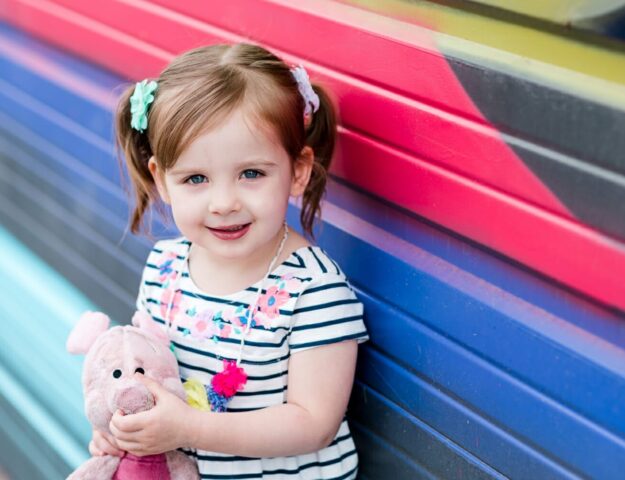
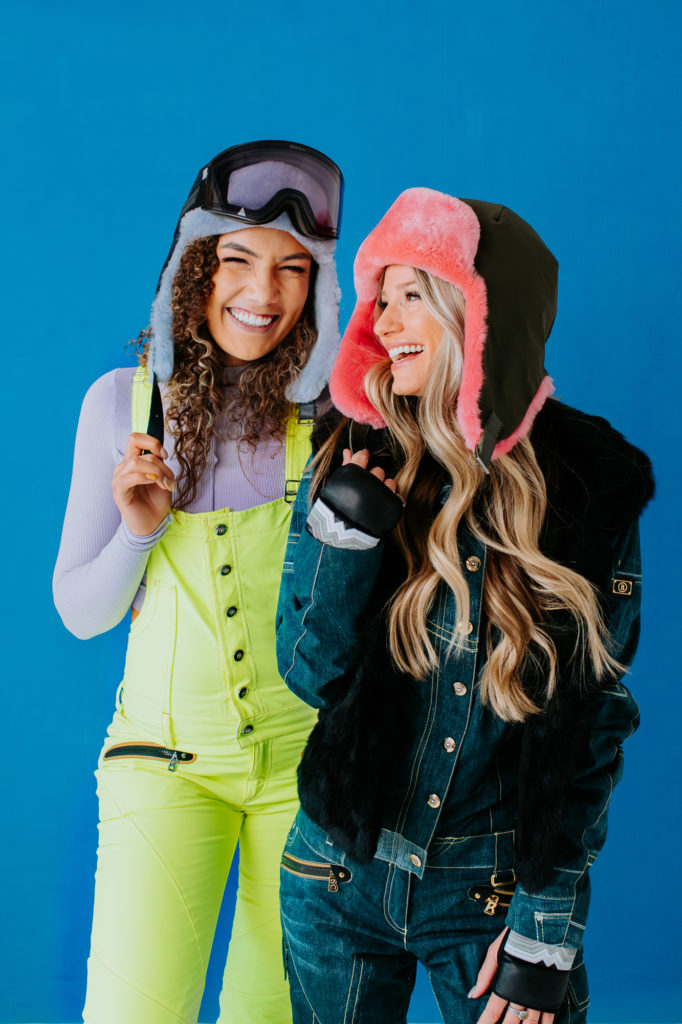
Whether you’re running an e-commerce store, building a social media presence, or printing marketing materials, great product photography is non-negotiable. It’s the difference between a product that looks like something you’d want to buy and one that looks like it was photographed on someone’s kitchen counter with a phone flashlight. We work with Denver businesses across every industry — from outdoor gear brands to artisan food companies to cannabis retailers — and we’ve seen firsthand how professional product photography changes the game. But we also understand the budget question: when should you invest in a professional shoot, and when can you make DIY work?
Why Product Photography Actually Matters
Let’s be direct: your product photos are your silent salesperson. For e-commerce businesses, product photos are often the only chance you get to convince someone to buy. A fuzzy, poorly lit, awkwardly framed photo sends a message that says “we don’t take our business seriously.” A crisp, well-composed, professionally lit photo says “buy me now.”
Social media is another critical arena. Instagram, Facebook, and TikTok are visual platforms. Your products need to look good in a feed full of professional content. Your competitors are likely investing in photography. If you’re showing low-quality phone photos, you’re putting yourself at an immediate disadvantage.
Print materials — catalogs, brochures, packaging inserts — demand professional photography too. When you’re paying for print production, you want photography that actually does your product justice. Nobody regrets investing in better photos for their print materials.
And there’s a trust element. Consumers know the difference between professional and amateur product photography. Quality photos communicate that you’re established, that you take your business seriously, and that your product is worth buying.
Understanding the Different Types of Product Photography
Product photography isn’t a one-size-fits-all thing. Different approaches serve different purposes, and understanding the options helps you make smart investment decisions.
White background product shots are the workhorses of e-commerce. These are clean, simple images that isolate the product against a neutral background. They’re essential for most online storefronts — they let the product speak for itself, and they’re consistent across your catalog. These are ideal for marketplace listings too (Amazon, Etsy, etc.) because they follow standard formats.
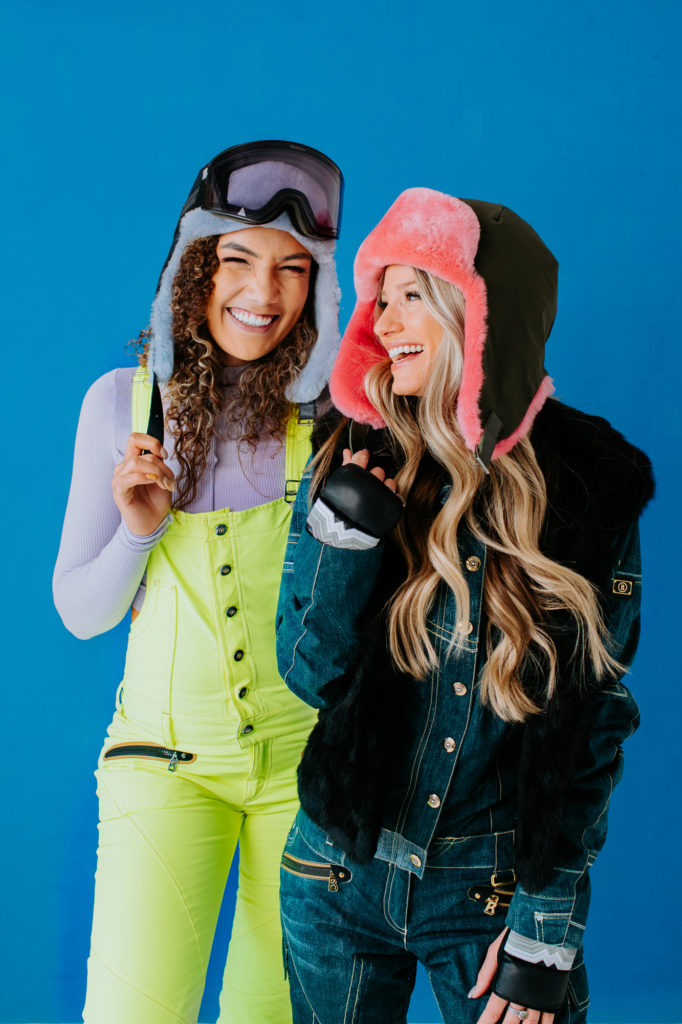
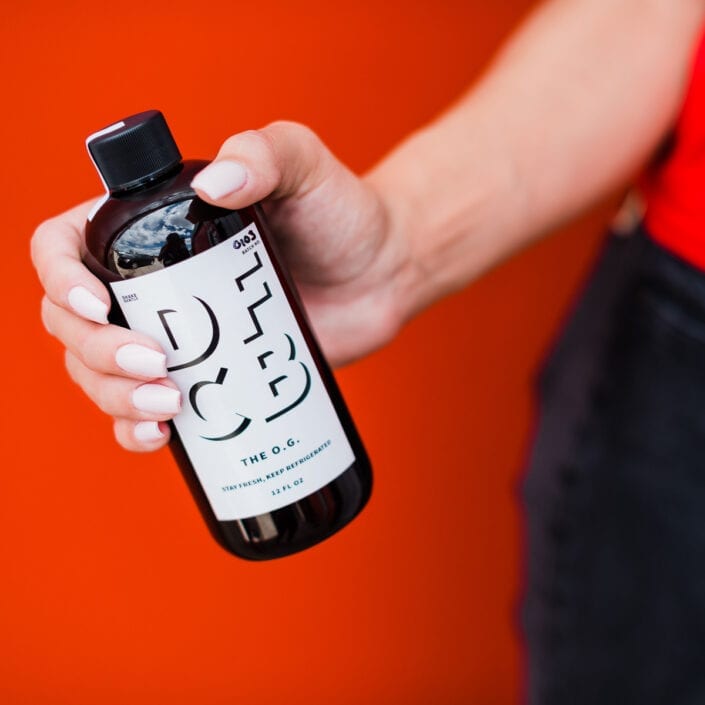
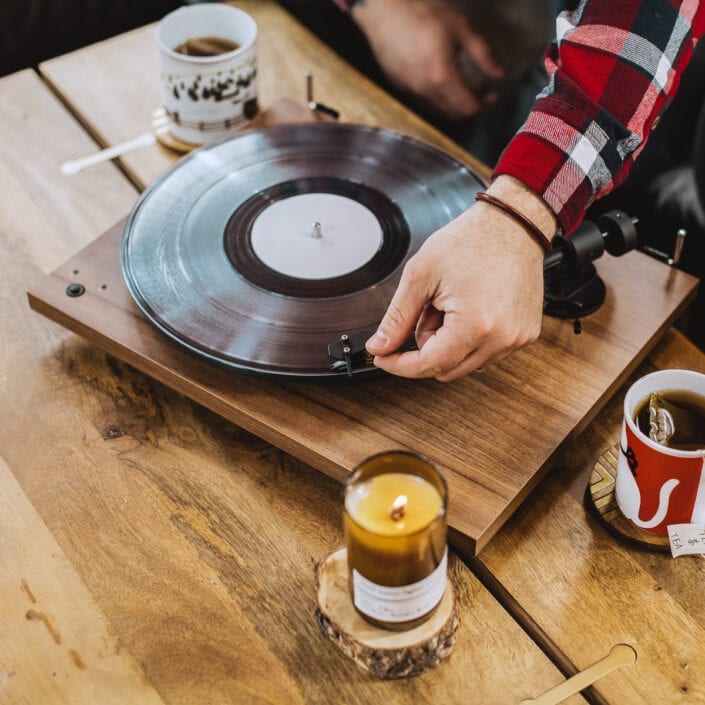
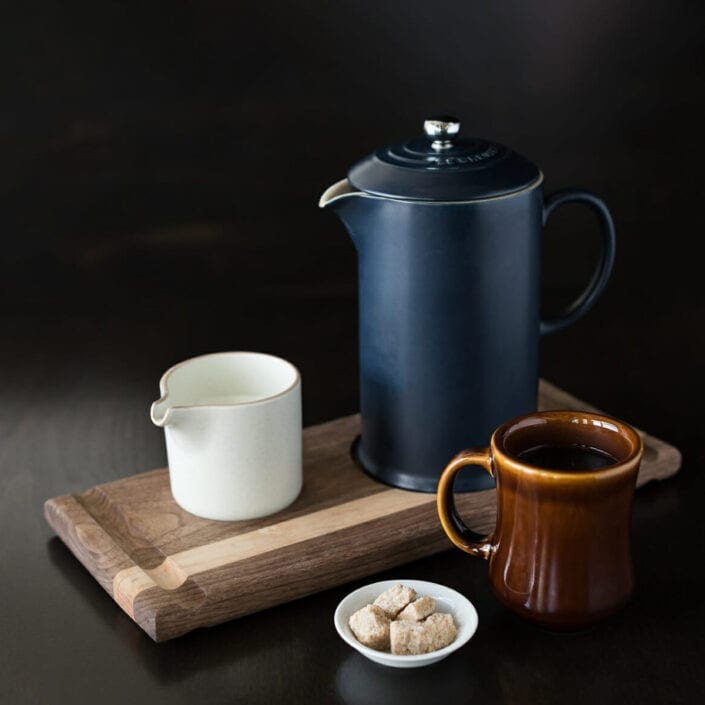
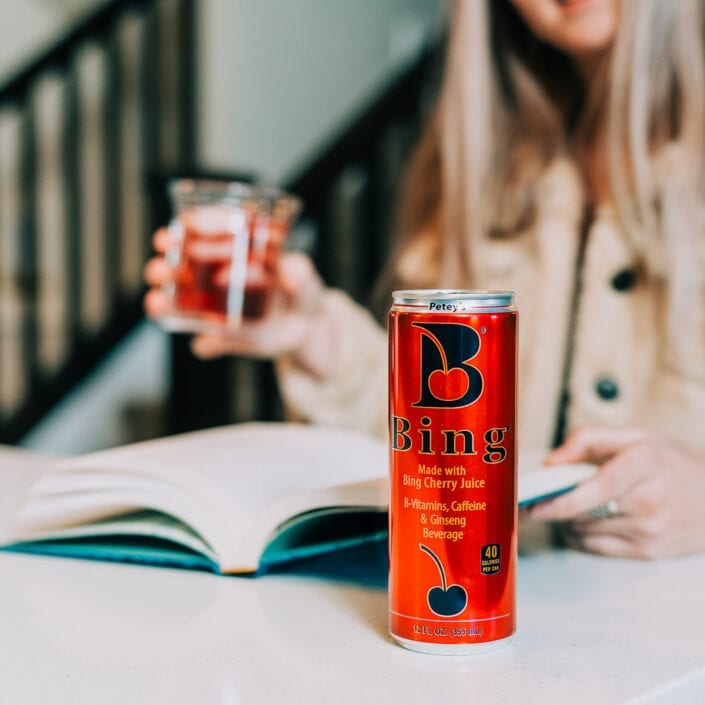
Lifestyle photography shows your product in context — being used, worn, enjoyed. A coffee mug with steam rising off it in a cozy morning scene. Hiking boots on a trail. A skincare product on someone’s skin. Lifestyle shots tell a story about what your product does and who it’s for. They work beautifully on social media and in marketing campaigns.
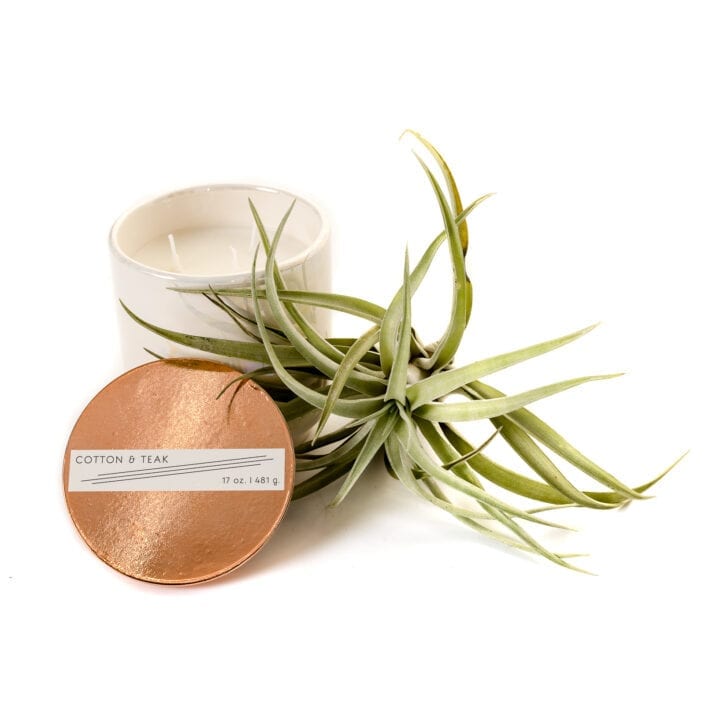
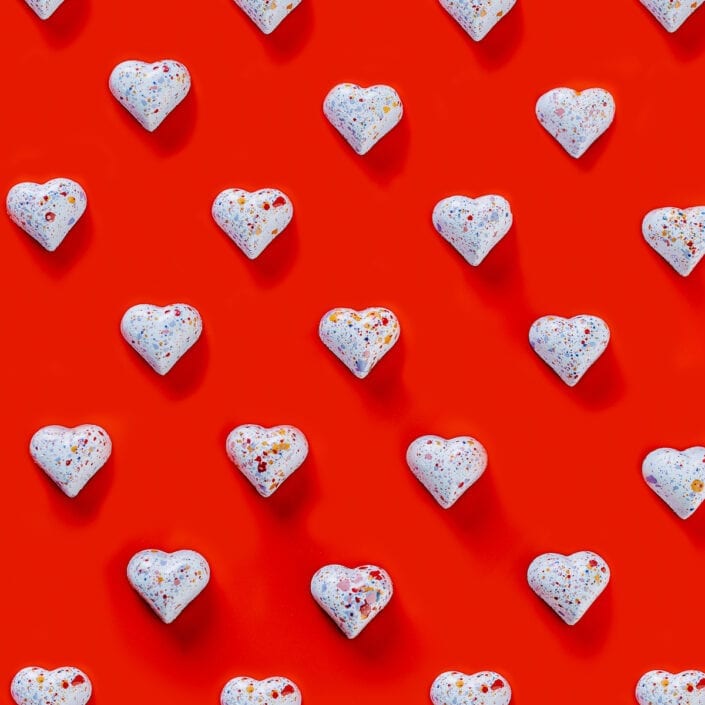
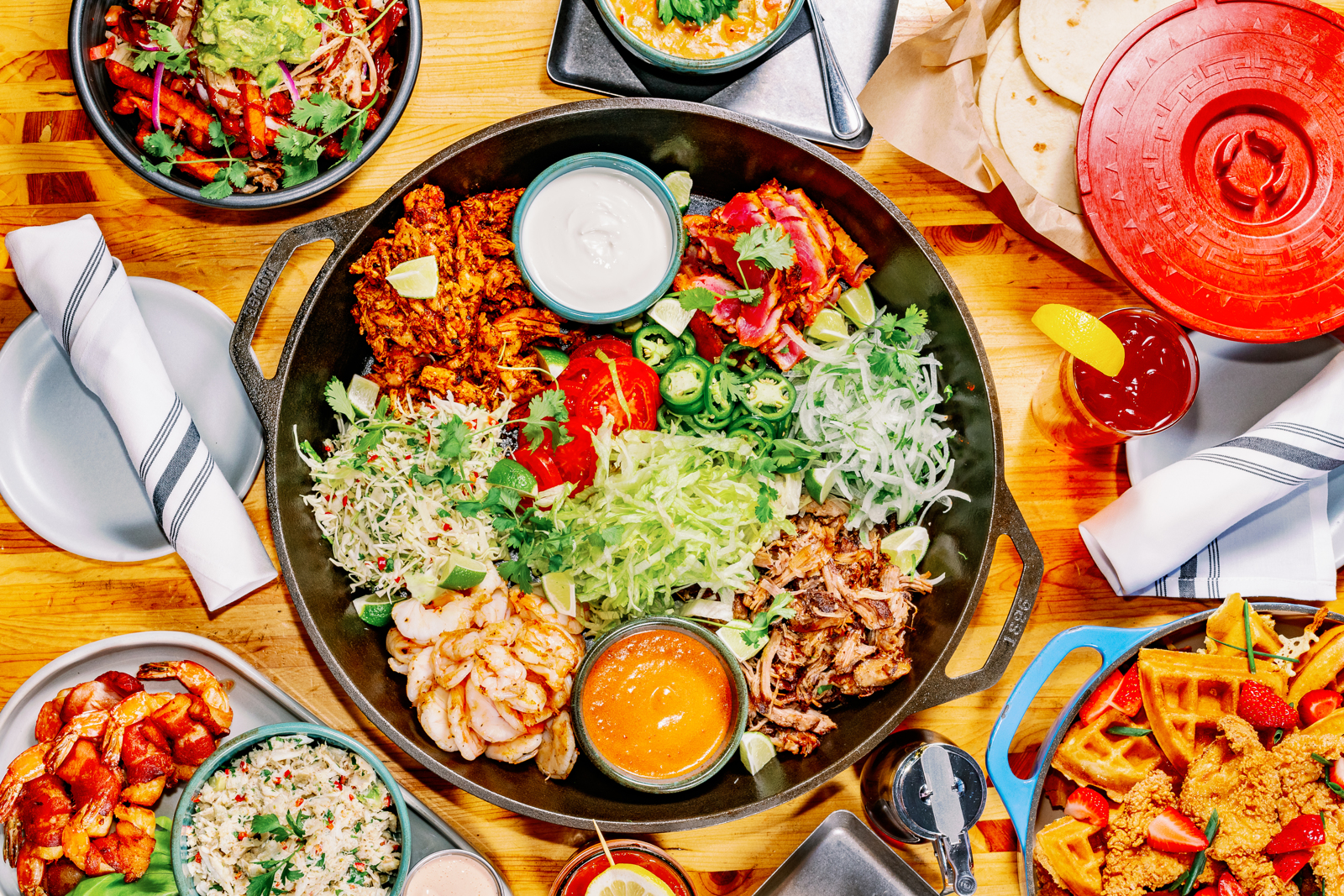
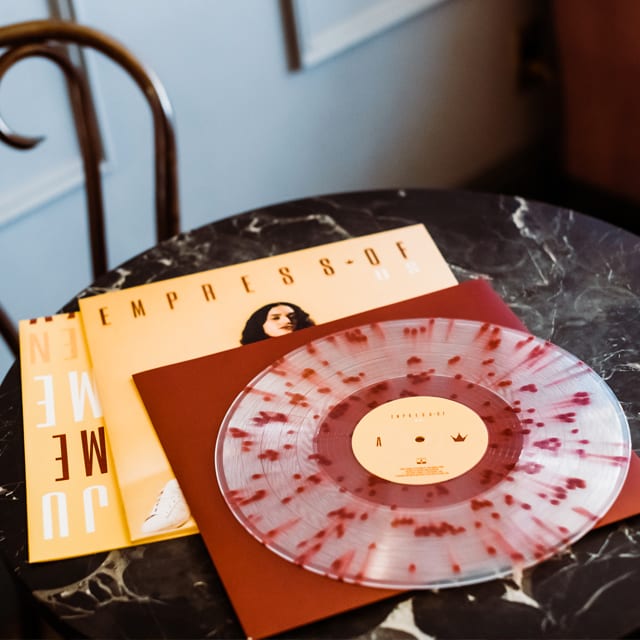
Flat lay photography arranges products and complementary items on a flat surface and photographs from above. It’s especially popular for social media, flatware, jewelry, accessories, and foodstuffs. Flat lays can be highly styled and artistic, or clean and minimal — depending on your brand.

360-degree photography lets customers see a product from every angle, usually in an interactive format on your website. This is becoming more common in e-commerce because it builds confidence in buyers. It’s especially useful for items where angle and detail matter — jewelry, electronics, furniture.

Most businesses benefit from a mix of these approaches. Your white background shots form the foundation. Your lifestyle and flat lay images give you content for social media and marketing. 360 views help e-commerce customers feel confident about what they’re getting.
When to DIY and When to Hire a Professional
Here’s where we’re honest about reality: you can absolutely DIY some product photography. But there’s a threshold where it becomes worth investing in a professional.
DIY works when you’re taking simple, utilitarian shots for internal use. You need reference images for your own marketing team, or you’re updating an old product photo, or you’re testing composition ideas. A smartphone camera and some natural window light can get you there. Seriously — phone cameras are genuinely impressive these days.
DIY can also work for certain product categories. If you’re selling simple items with high contrast (like a black t-shirt on white, or bold graphic posters), a DIY setup with good lighting can produce acceptable results. The simpler and less reflective your product, the more forgiving DIY photography becomes.
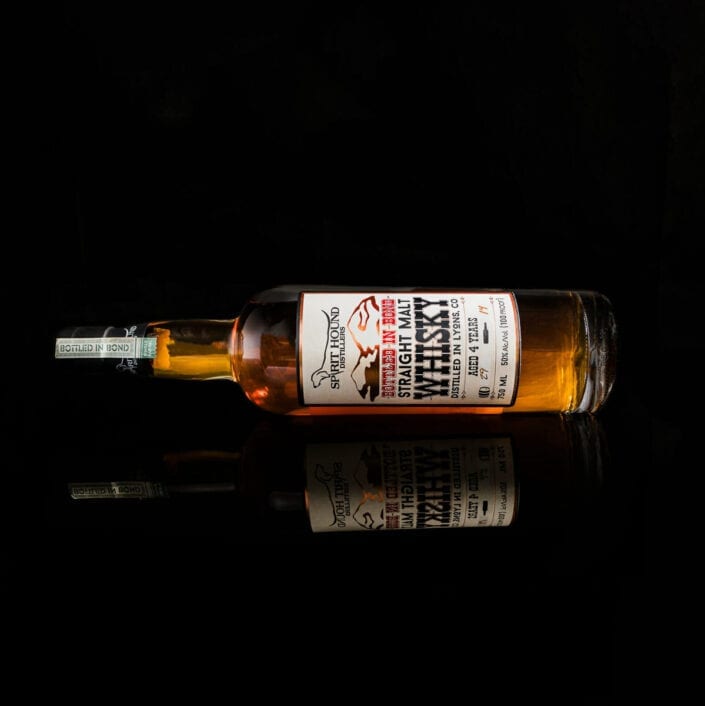
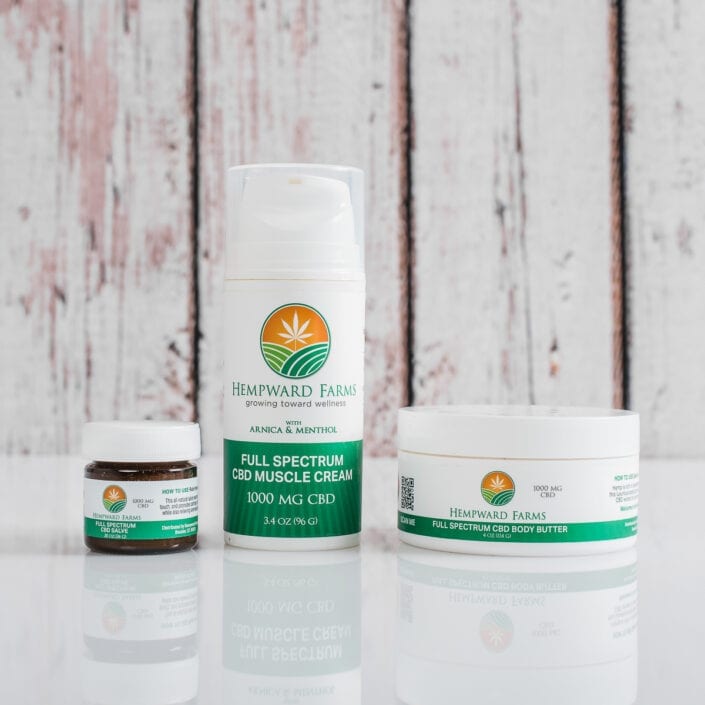
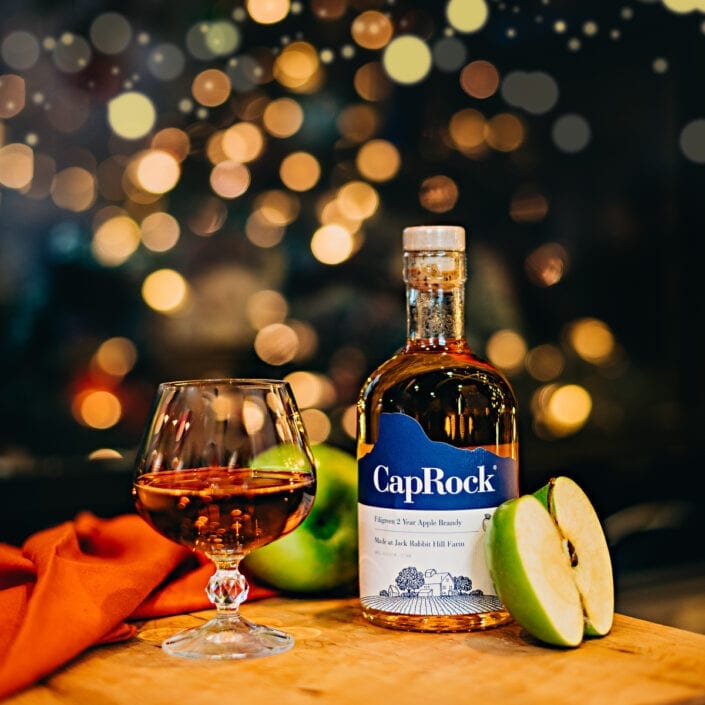
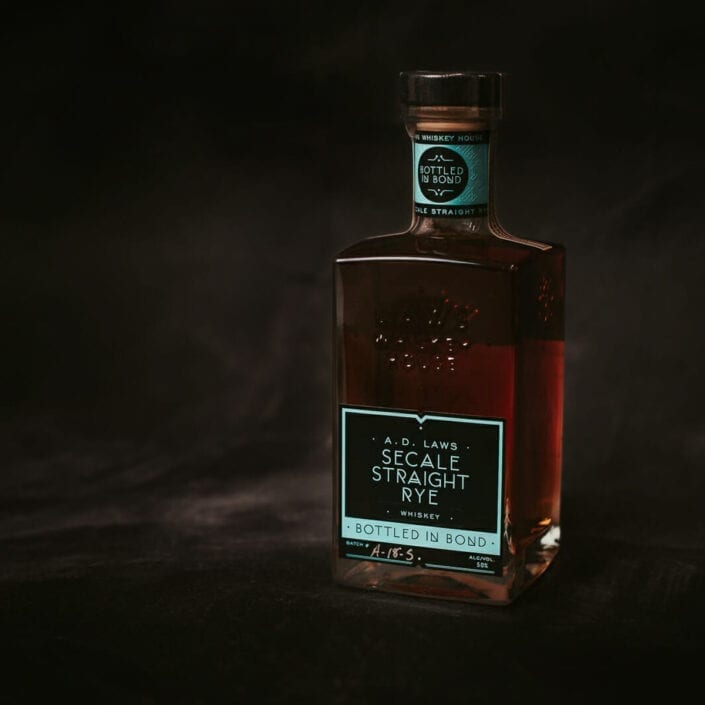
But here’s where DIY hits a wall: reflective products (glass, metal, anything shiny), complex items with lots of angles, food and beverage, and anything where color accuracy matters. Photographing a wine bottle, a piece of jewelry, or a beauty product requires equipment and skill that most DIY setups don’t have. Reflections, glare, and color shifts are your enemies — and they’re hard to manage without professional lighting and experience.
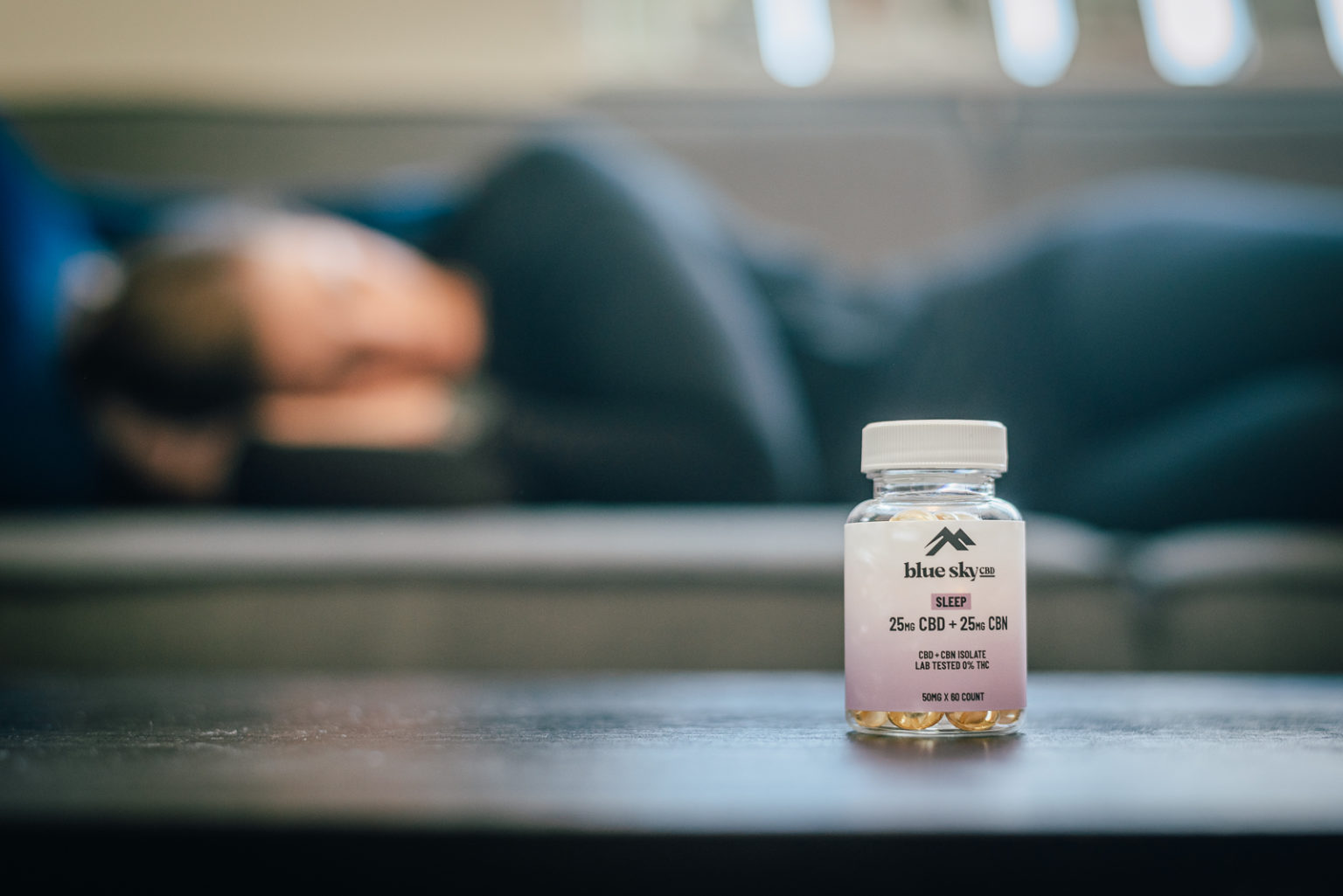
Similarly, if you’re selling multiple products and need consistency across your catalog, professional photography pays for itself. One bad photo stands out. Hundreds of inconsistent DIY photos damage your brand perception. A professional shoot delivers consistent style, lighting, and composition across your entire product line.
Our recommendation: if product photography is driving sales for your business, invest in a professional. If it’s supplementary content, DIY might be fine. When in doubt, ask yourself: how would I feel seeing my product photo in a competitor’s marketing? If the thought bothers you, it’s time to call a professional.
What a Professional Product Shoot Actually Looks Like
You might be wondering what goes into a professional product photography session. The process is more intentional than you’d think.
We start by understanding your products, your brand, and your goals. Are these images for your e-commerce site, social media, packaging, or a mix? What feeling do you want them to convey? What’s your budget and timeline? These details shape everything that follows.
We develop a shot list covering every angle, detail, and variation that matters. For a product with multiple colors or sizes, that’s multiple shots per variation. We’re thorough because we want you to have everything you need.
Lighting is everything in product photography. We invest in professional equipment — different light sources, reflectors, diffusers, backgrounds. We’re solving for color accuracy, dimension, and appeal. A white background product shot isn’t just “point and shoot” — it requires specific lighting to make the product look its best.
We shoot in high resolution so you can use images across platforms — large-format for print, medium for websites, optimized for social. One shoot gives you multiple applications.
Post-processing is part of the service. We color-correct, retouch, and sometimes do background removal or replacement. The goal is images that represent your product accurately and beautifully.
Denver Businesses That Benefit Most from Professional Product Photography
We work with a wide range of Denver-based businesses, and we’ve noticed some categories where professional photography makes the biggest impact.
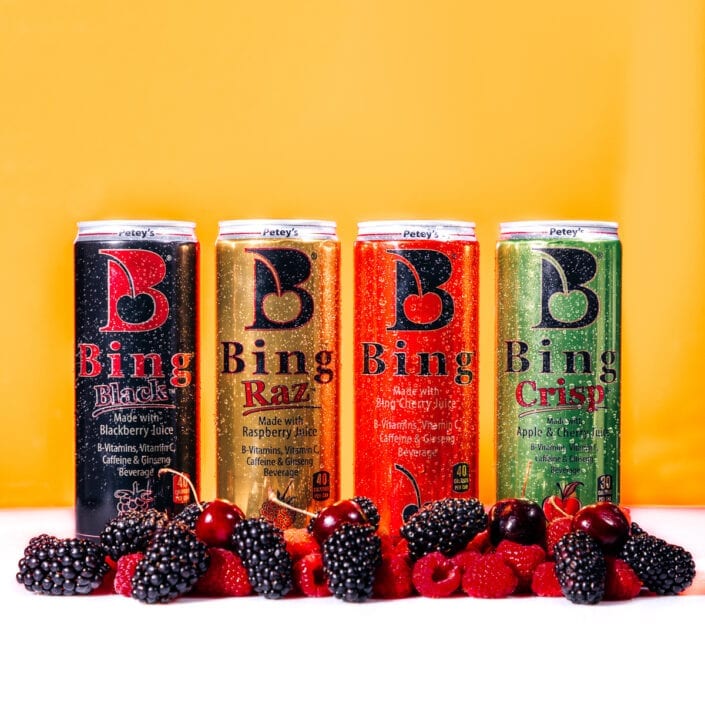
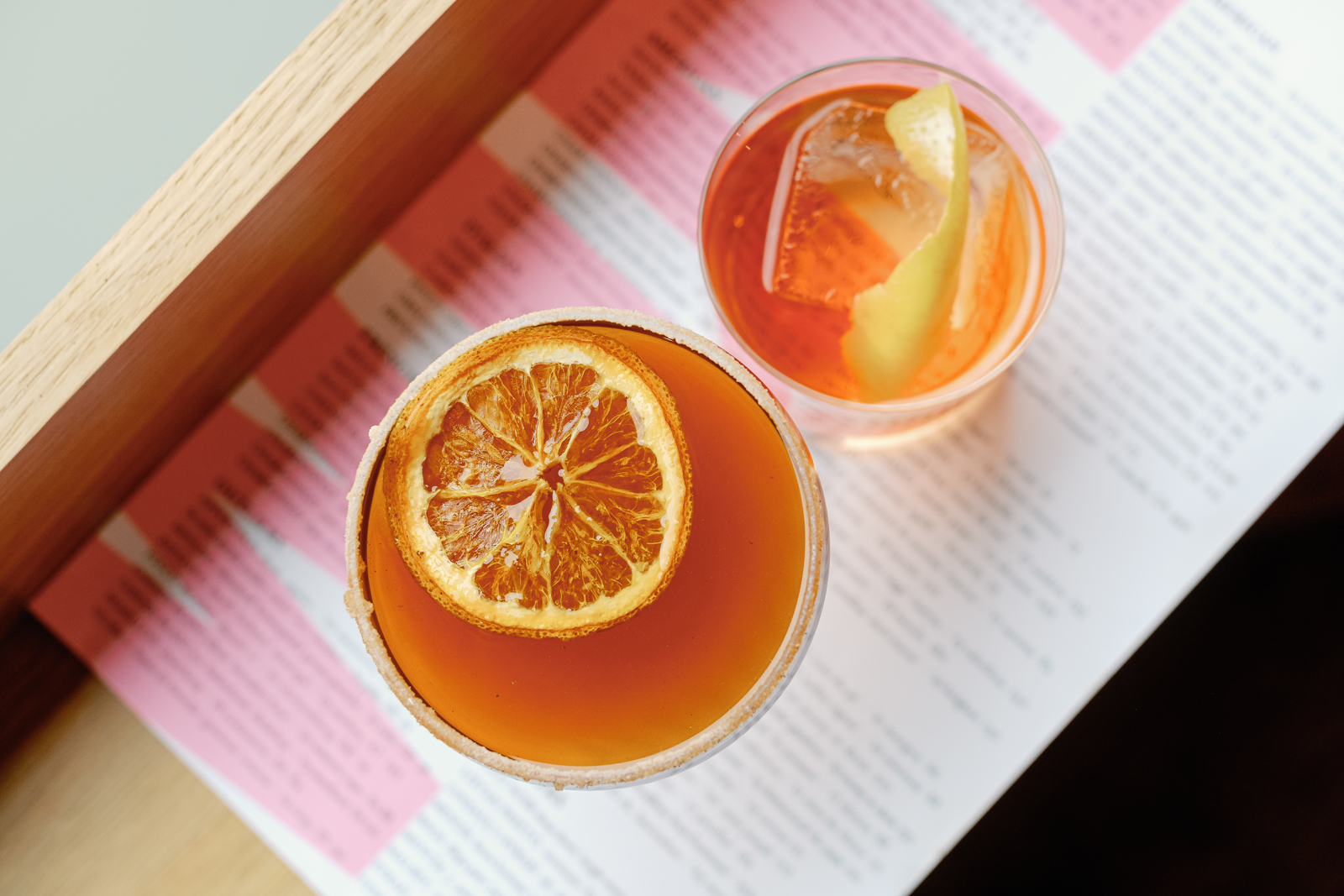
Food and beverage brands need product photography that makes food look delicious. Whether you’re a craft brewery, an artisan spice company, or a prepared food brand, photography elevates your products and your brand. Food photography specifically is its own skill — the styling, lighting, and presentation matter enormously.
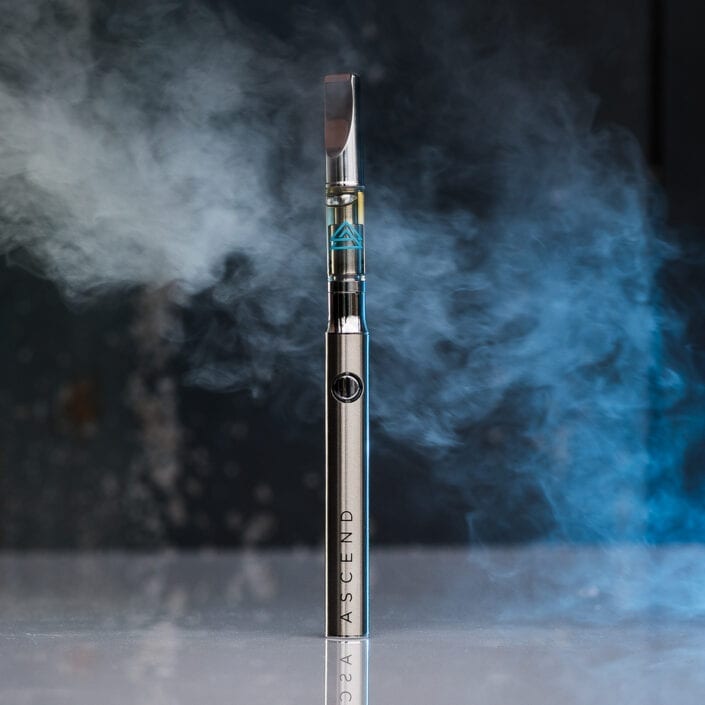
Cannabis retailers and producers operate in a visual industry where packaging and product presentation matter greatly. Professional photography helps you stand out and communicates quality and professionalism in a competitive market.
Outdoor gear and sporting goods companies benefit hugely from lifestyle photography that shows products in action. But they also need clean product shots for retail partners and e-commerce. Both deserve to be beautiful.
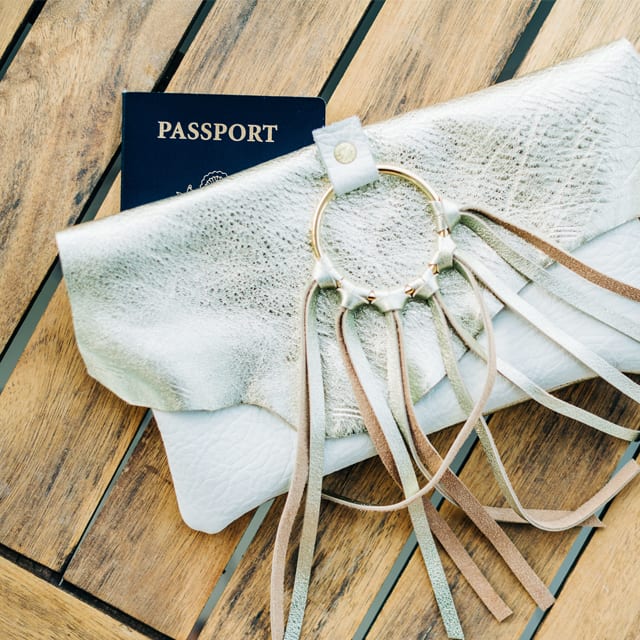
Artisan goods and handmade products — jewelry, ceramics, textiles, woodworking — deserve photography that honors the craftsmanship. When someone has invested hours in making something beautiful, it deserves to be photographed beautifully.
E-commerce businesses of any kind see measurable improvements in conversion rates when they upgrade to professional product photography. This isn’t sentimental — it’s business.
Frequently Asked Questions
What are the main types of product photography?
The main types are white background product shots (the workhorses of e-commerce), lifestyle photography that shows your product in use and in context, flat lay photography arranged and shot from above, and 360-degree photography that lets customers see a product from every angle. Most businesses benefit from a mix of these approaches.
When can I DIY product photos and when should I hire a professional?
DIY works for simple, utilitarian shots for internal use and for high-contrast items like a black t-shirt on white — a smartphone and good window light can get you there. Hire a professional for reflective products like glass and metal, complex items with many angles, food and beverage, anything where color accuracy matters, or when you need consistency across a full catalog.
Why does professional product photography matter for my business?
Your product photos are your silent salesperson. For e-commerce they are often the only chance to convince someone to buy, and on visual platforms like Instagram, Facebook, and TikTok your products need to hold their own in a feed full of professional content. Quality photos also build trust and signal that your business is established and worth buying from.
Which Denver businesses benefit most from professional product photography?
Food and beverage brands, cannabis retailers and producers, outdoor gear and sporting goods companies, artisan and handmade goods makers, and e-commerce businesses of any kind all see the biggest impact — with e-commerce sellers often seeing measurable improvements in conversion rates after upgrading.
What happens during a professional product shoot?
We start by understanding your products, brand, and goals, then build a shot list covering every angle, detail, and variation that matters. We use professional lighting equipment to solve for color accuracy, dimension, and appeal, shoot in high resolution so images work across print, web, and social, and finish with post-processing including color correction, retouching, and background work.
Keep Reading
- Denver Branding and Product Photography
- Product Shoot: High Point Creamery
- Product Photography: Blue Sky CBD
- Denver Food Photography: Helping Restaurants Tell Their Story
- Personal Branding Photography in Denver
- View Our Product Photography Portfolio
Getting Started with Professional Product Photography
If you’re running a Denver business and you’ve been putting off upgrading your product photography, this is your sign. We’ve worked with businesses just like yours. We understand your products, your market, and what great product photography can do for your sales and your brand. Let’s talk about what a professional shoot could look like for you.